10 Best Foods for Heart Health How to Improve Blood Circulation and Clean Arteries Fast
Maintaining a healthy cardiovascular system is one of the most important things you can do for your overall well-being. Think of your arteries as the high-speed highways of your body. When they are clear and flexible, blood flows effortlessly, delivering vital oxygen and nutrients to every organ and extremity. However, over time, factors like diet, stress, and lifestyle choices can lead to a buildup of plaque, which narrows these pathways and forces the heart to work much harder. The good manner to address this is not just through medical intervention but through the power of the plate. By choosing specific, nutrient-dense foods, you can actually help support the natural processes that keep your blood vessels clean and your circulation at its peak.
The Science of Arterial Health and Natural Cleansing
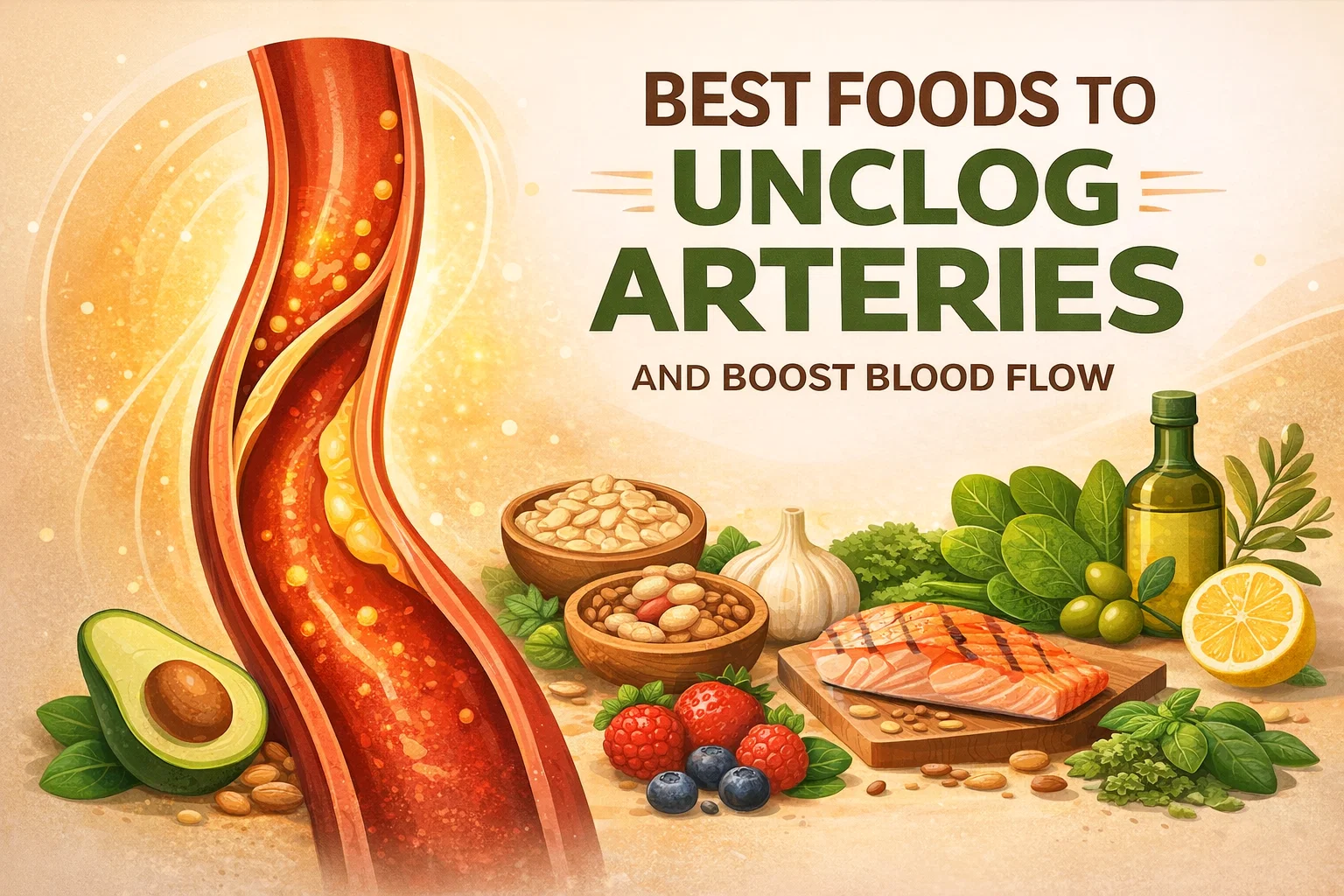
Before diving into the specific foods, it is helpful to understand what we mean when we talk about cleaning your arteries. While the term is often used colloquially, biologically it refers to reducing inflammation, lowering LDL cholesterol levels, and improving endothelial function. The endothelium is the thin inner lining of your blood vessels. When this lining is healthy, it produces nitric oxide, a molecule that helps the vessels relax and dilate. This process is essential for maintaining healthy blood pressure and preventing the stickiness that allows plaque to form.
Dietary fiber, antioxidants, and healthy fats play a starring role in this biological cleanup. Soluble fiber acts like a sponge in the digestive tract, soaking up cholesterol and removing it from the body before it can enter the bloodstream. Meanwhile, antioxidants protect the delicate walls of the arteries from oxidative stress, which is often the precursor to plaque development. By focusing on a diet rich in these elements, you are essentially providing your body with the tools it needs to maintain its own internal plumbing.
Oats and Soluble Fiber: The Natural Scrubbers
Starting your day with a bowl of oats is more than just a cozy morning ritual; it is a powerful strategy for heart health. Oats are incredibly rich in a specific type of soluble fiber known as beta-glucan. Research has consistently shown that beta-glucan is highly effective at lowering cholesterol levels by binding to bile acids in the gut and promoting their excretion. Since the body uses cholesterol to make more bile, this process naturally draws cholesterol out of the blood.
How to Incorporate More Oats into Your Routine
- Try overnight oats soaked in almond milk with a handful of seeds for a quick breakfast.
- Use oat flour as a substitute for processed white flour in baking.
- Add a handful of rolled oats to your morning smoothie for extra texture and fiber.
Nuts and Seeds for Vessel Elasticity
Nuts are often misunderstood because of their calorie density, but they are nutritional powerhouses for your circulatory system. Walnuts, almonds, and pistachios are rich in L-arginine, an amino acid that the body uses to create nitric oxide. As mentioned earlier, nitric oxide is the secret weapon for flexible, dilated blood vessels. Furthermore, nuts provide vitamin E, which prevents cholesterol from becoming oxidized and sticking to the arterial walls.
Walnuts, in particular, are a standout choice because they are one of the few plant sources of alpha-linolenic acid (ALA), an essential omega-3 fatty acid. These healthy fats help reduce the low-grade inflammation that often leads to cardiovascular issues. A small handful a day is usually all it takes to reap these significant benefits without overdoing the calories.
The Creamy Benefits of Avocado
Avocados have gained immense popularity lately, and for good reason. They are packed with monounsaturated fats, which are known to help lower the bad LDL cholesterol while maintaining or even increasing the good HDL cholesterol. This balance is crucial because HDL acts as a scavenger, picking up excess cholesterol from the arteries and carrying it back to the liver for processing.
Beyond the fats, avocados are also a fantastic source of potassium. Most people do not get enough potassium in their diets, which is a problem because this mineral helps the body regulate blood pressure by easing tension in the blood vessel walls. This dual action of lowering cholesterol and relaxing the vessels makes the avocado a top-tier food for boosting blood flow.
Berries: Antioxidant Powerhouses
Strawberries, blueberries, raspberries, and blackberries are nature’s candy, but they are also loaded with anthocyanins. These are the pigments that give berries their deep colors, and they serve as powerful antioxidants. Studies suggest that consuming berries regularly can significantly reduce arterial stiffness and improve the overall function of the vascular system.
The anti-inflammatory properties of berries are vital for preventing the initial damage to the vessel walls that allows plaque to settle. Because they are also high in fiber and relatively low in sugar compared to other fruits, they are an excellent choice for anyone looking to manage their weight while supporting their heart.
Legumes and the Power of Plant Protein
Beans, lentils, and chickpeas are often the unsung heroes of a heart-healthy diet. They are incredibly high in fiber, specifically the soluble variety that manages cholesterol. However, legumes also offer a unique benefit: they are a great source of plant-based protein. Replacing red meat with legumes even just a few times a week can have a dramatic impact on your saturated fat intake, which is one of the primary drivers of arterial buildup.
Versatile Ways to Use Legumes
- Add black beans or chickpeas to your favorite salads for a protein boost.
- Use red lentils in soups and stews for a creamy texture without the need for dairy.
- Make a homemade hummus as a dip for fresh vegetables.
The Protective Magic of Garlic
Garlic has been used for medicinal purposes for thousands of years, and modern science confirms many of its cardiovascular benefits. The active compound in garlic is called allicin, which is released when the clove is crushed or chopped. Allicin has been shown to help lower blood pressure and may even inhibit the formation of plaque in the arteries.
Regularly including garlic in your cooking not only adds incredible flavor but also helps prevent platelets from sticking together. This reduces the risk of blood clots and ensures that your blood stays at an optimal viscosity for smooth flow throughout the body. For the best results, let chopped garlic sit for a few minutes before cooking to allow the allicin to reach its full potential.
Citrus Fruits and Vitamin C
Lemons, oranges, and grapefruits are famous for their vitamin C content, but they also contain unique plant compounds called flavonoids. These flavonoids have been linked to a reduced risk of ischemic stroke and better overall cardiovascular health. Vitamin C is also essential for the synthesis of collagen, which provides structural integrity to the walls of your arteries.
A strong, flexible artery is much less likely to become damaged and inflamed. Additionally, the pectin found in the pulp and skins of citrus fruits acts as another source of soluble fiber to help manage those cholesterol levels. Starting your day with a glass of warm lemon water is a simple habit that supports both hydration and heart health.
Fatty Fish and Omega-3 Fatty Acids
When it comes to reducing inflammation and thinning the blood naturally, fatty fish like salmon, mackerel, and sardines are unrivaled. They are the primary sources of EPA and DHA, two types of omega-3 fatty acids that are essential for heart health. Omega-3s work by decreasing triglycerides, lowering blood pressure, and reducing the risk of arrhythmias.
If you are not a fan of seafood, you can find plant-based omega-3s in flaxseeds and chia seeds, though the body has to work a bit harder to convert them. For those who do eat fish, aiming for two servings per week can provide a protective shield for your entire circulatory system. The healthy fats found in these fish help keep the blood “slippery,” making it much easier for the heart to pump it through the vessels.
Leafy Greens and Natural Nitrates
Spinach, kale, and Swiss chard are loaded with vitamins, minerals, and most importantly, dietary nitrates. Once consumed, the body converts these nitrates into nitric oxide. As we have discussed, nitric oxide is the master regulator of blood vessel dilation. By eating a large salad or adding greens to your smoothie, you are giving your body a direct infusion of the molecules it needs to keep your blood pressure in a healthy range.
Leafy greens are also high in vitamin K, which plays a specific role in preventing the calcification of arteries. Calcification is when the plaque in the arteries becomes hard and brittle, which is much more dangerous than soft plaque. Vitamin K helps ensure that calcium stays in your bones and out of your blood vessels.
Extra-Virgin Olive Oil: The Mediterranean Secret
The Mediterranean diet is world-renowned for promoting longevity, and extra-virgin olive oil is its centerpiece. This oil is rich in polyphenols and monounsaturated fats that have profound anti-inflammatory effects. Unlike refined vegetable oils, high-quality extra-virgin olive oil contains antioxidants that protect the heart and help maintain clear pathways for blood flow.
It is important to use it correctly to get the most benefit. While you can cook with it at moderate temperatures, using it raw as a salad dressing or drizzled over finished dishes preserves the delicate polyphenols that are most beneficial for your arteries. Choosing olive oil over butter or margarine is one of the easiest and most impactful swaps you can make for your health.
Practical Tips for a Heart-Healthy Lifestyle
While eating these ten foods is a fantastic start, the best results come from a holistic approach to wellness. Consistency is the most important factor. Instead of looking at this as a temporary “cleanse,” think of it as a long-term shift in how you fuel your body. Movement is another critical piece of the puzzle. Regular aerobic exercise, like walking, swimming, or cycling, works in tandem with these foods to strengthen the heart muscle and keep the vessels clear.
Hydration should not be overlooked either. When you are dehydrated, your blood becomes thicker, which increases the pressure on your arterial walls. Drinking plenty of water throughout the day ensures that all the beneficial nutrients from your food can be transported efficiently to where they are needed most. Combining these dietary choices with stress management techniques like meditation or deep breathing can create a powerful environment for your body to thrive.
Conclusion
Taking care of your arteries is an investment in your future self. By incorporating oats, nuts, avocados, berries, and the other power foods we have discussed, you are providing your body with the exact nutrients it needs to maintain a clear and efficient circulatory system. These foods do more than just provide calories; they act as biological signals that promote healing, reduce inflammation, and keep your heart beating strong. Start today by adding just one or two of these items to your weekly grocery list. Over time, these small changes will add up to a vibrant, healthy life with plenty of energy to pursue your passions. Remember that your health is built one meal at a time, so make your next one count. Save these ideas and keep prioritizing your wellness journey!