10 Best Foods for Organ Health Natural Healing Holistic Nutrition Guide Food is Medicine
The ancient concept of food as medicine is making a powerful comeback in our modern world. While we often look to the pharmacy for solutions to our health woes, the most potent tools for vitality and longevity are actually found in the produce aisle. The fascinating connection between the shape of natural foods and the organs they support is more than just a coincidence. It is a biological roadmap designed to help us navigate our nutritional needs with ease. Understanding how specific fruits, vegetables, and herbs target different systems in the body allows us to take a proactive approach to our long-term wellness.
The Doctrine of Signatures: Nature’s Hidden Map
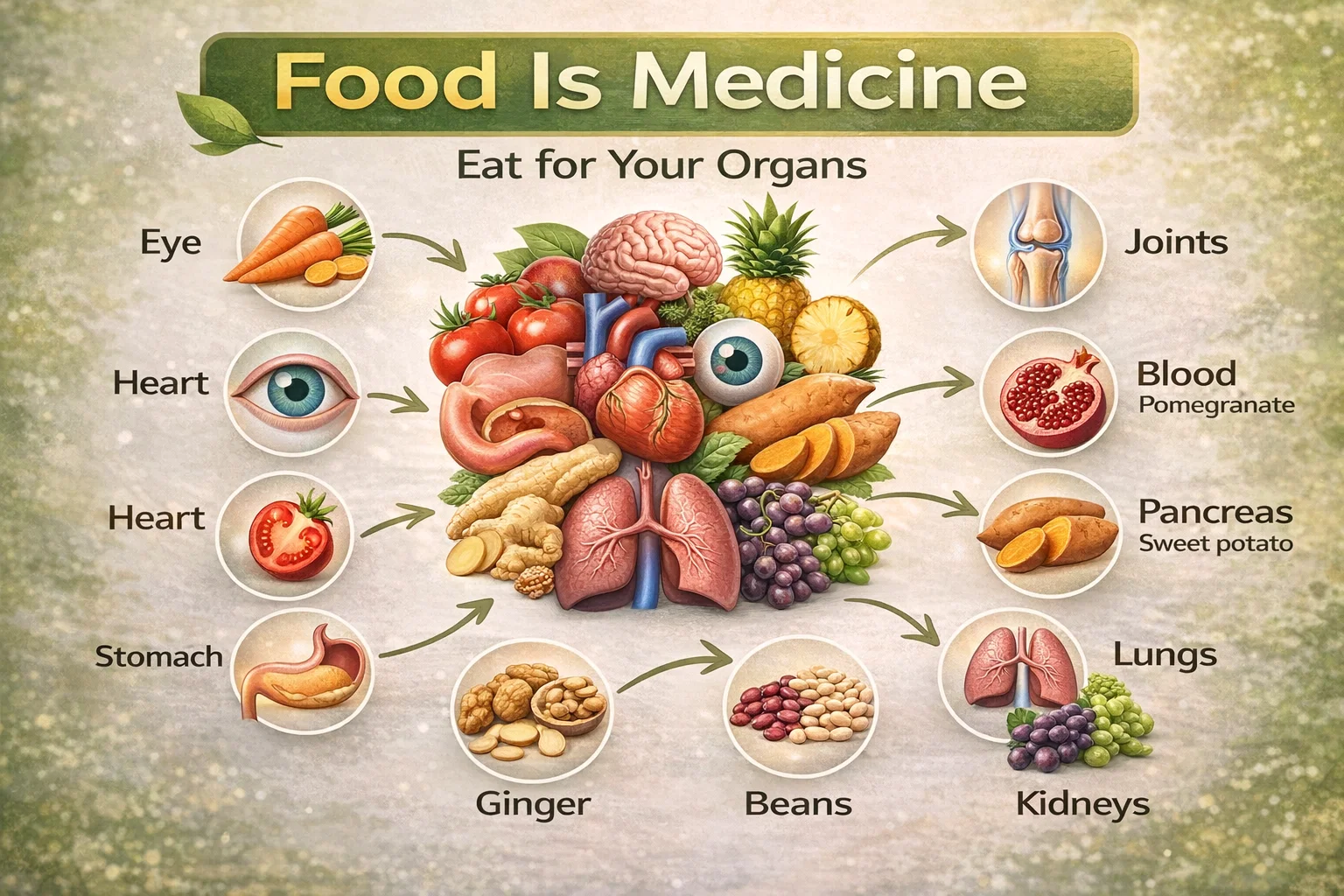
For centuries, herbalists and traditional healers followed a philosophy known as the Doctrine of Signatures. This belief suggests that the physical characteristics of a plant, such as its shape, color, or texture, provide a clue to its medicinal value. When you look at a sliced carrot, it remarkably resembles a human eye, complete with a pupil and radiating iris lines. Modern science now confirms that carrots are packed with beta-carotene, which the body converts into Vitamin A to protect vision. This synergy between form and function is a beautiful reminder that we are deeply connected to the natural world around us.
Nourishing the Brain and Heart
Perhaps one of the most striking examples of this natural design is the walnut. Its outer shell looks like a skull, and the nut itself features two hemispheres with folds and wrinkles that mirror the human brain. Walnuts are one of the best plant based sources of Omega 3 fatty acids, which are essential for cognitive function and protecting against mental decline. By including these in your diet, you are literally feeding your brain the structure it needs to thrive.
Similarly, the tomato represents the heart. When sliced open, a tomato reveals multiple chambers that resemble the structure of the human heart. Tomatoes are famously high in lycopene, a powerful antioxidant that has been linked to a reduced risk of heart disease and stroke. These vibrant red fruits help regulate blood pressure and keep our cardiovascular system running smoothly. Choosing foods that look like the organs they help is a simple yet effective way to build a balanced plate.
The Power of Root Vegetables for Internal Balance
Root vegetables and tubers play a vital role in grounding our health. Take the sweet potato, for instance. Its elongated, tapered shape is a direct reflection of the pancreas. Beyond the visual similarity, sweet potatoes are excellent for stabilizing blood sugar levels. They have a lower glycemic index than white potatoes and provide a steady release of energy, which reduces the load on the pancreas and helps prevent insulin spikes.
Ginger is another powerhouse that mimics the shape of the stomach. It has been used for thousands of years as a natural remedy for digestive distress. Whether you are dealing with motion sickness, morning pregnancy nausea, or general indigestion, the gingerols found in this root help to relax the digestive tract and promote the movement of food through the system. It is nature’s original tummy tamer, proving that the most effective solutions are often the simplest ones.
Detoxification and Blood Health
Our blood and kidneys act as the filtration system for the entire body, and they require specific nutrients to stay clean and efficient. Pomegranates, with their deep red juice and seed clusters, are often associated with blood health. They are known to boost hemoglobin levels and improve circulation, ensuring that oxygen is delivered effectively to every cell. Drinking pomegranate juice or enjoying the seeds in a salad is a delicious way to support your circulatory system.
When it comes to the kidneys, both beetroot and beans are essential allies. Beetroot is a well known detoxifier that supports the liver and kidneys in flushing out toxins. Its deep pigments contain betalains, which have anti inflammatory properties. Beans, which are even named after the organ they resemble (kidney beans), provide the fiber and minerals necessary for healthy renal function. They help manage waste products in the blood, making them a staple for anyone focused on internal cleansing.
Supporting Mobility and Respiratory Health
Joint health is something we often take for granted until we experience discomfort. Pineapple is a unique tropical fruit that contains bromelain, an enzyme known for reducing inflammation. This makes it an incredible food for those looking to improve joint mobility and recover from physical activity. The structural toughness of the pineapple core reminds us of the strength needed for our bones and connective tissues.
Our lungs are constantly working to keep us energized, and they benefit greatly from antioxidant rich foods like grapes. The clusters of grapes look remarkably like the alveoli, the tiny air sacs in our lungs where oxygen exchange happens. Grapes contain resveratrol and other protective compounds that help safeguard lung tissue from environmental pollutants and oxidative stress. Keeping your respiratory system clear and resilient is much easier when you fill your diet with these hydrating, protective fruits.
The Holistic Approach to Meal Planning
Adopting a food as medicine mindset does not mean you have to follow a restrictive or complicated diet. Instead, it is about shifting your perspective to see every meal as an opportunity to heal and strengthen your body. A holistic approach involves looking at the colorful variety of nature and ensuring that you are hitting different “signatures” throughout the week. When your grocery basket looks like a rainbow, you can be sure that you are providing your organs with the diverse range of phytonutrients they crave.
- Focus on Whole Foods: Prioritize items that come from the earth rather than a box.
- Listen to Your Body: Notice how you feel after eating certain foods and adjust your intake based on your energy levels.
- Stay Hydrated: Water is the medium through which all these nutrients are transported to your organs.
- Eat Seasonally: Nature provides exactly what we need at different times of the year to maintain balance.
The Science Behind the Synergy
While the visual similarities are a great memory tool, the real magic lies in the chemical composition of these foods. Science is consistently discovering that the specific phytochemicals responsible for a food’s color or shape are the exact same compounds that benefit the corresponding human tissue. For example, the anthocyanins that give grapes and beets their deep hues are the same antioxidants that protect delicate blood vessels and lung membranes. We are not just eating for calories; we are eating for biological instructions.
Building a Longevity Kitchen
Transforming your kitchen into a healing space is a rewarding journey. Start by clearing out processed sugars and inflammatory oils that can tax your organs. Replace them with a bowl of walnuts for snacking, fresh ginger for your morning tea, and plenty of leafy greens. By surrounding yourself with these vibrant, life giving foods, you make healthy choices the easiest choices. Over time, these small shifts lead to significant improvements in your mood, skin health, and overall vitality.
Education is a key part of this process. When you understand that a tomato is helping your heart or that a sweet potato is supporting your pancreas, you develop a deeper appreciation for the food on your plate. This mindful way of eating transforms a chore into an act of self care. You are no longer just “dieting” but rather investing in the most important asset you own: your health.
Conclusion: Your Path to Vitality
Embracing the idea that food is medicine is one of the most empowering decisions you can make for your future. Nature has provided us with an incredible array of tools to maintain our health, wrapped in beautiful colors and unique shapes. By paying attention to these natural signatures and incorporating a variety of organ supporting foods into your daily routine, you can create a foundation of wellness that lasts a lifetime. Remember that every bite is a chance to nourish your brain, protect your heart, and fuel your spirit. Start today by choosing one organ you want to support and adding its corresponding food to your next meal. Your body will thank you for the extra care and attention.