10 Best Low-Calorie Foods for Weight Loss Healthy Volume Eating Snacks Fat Loss Tips
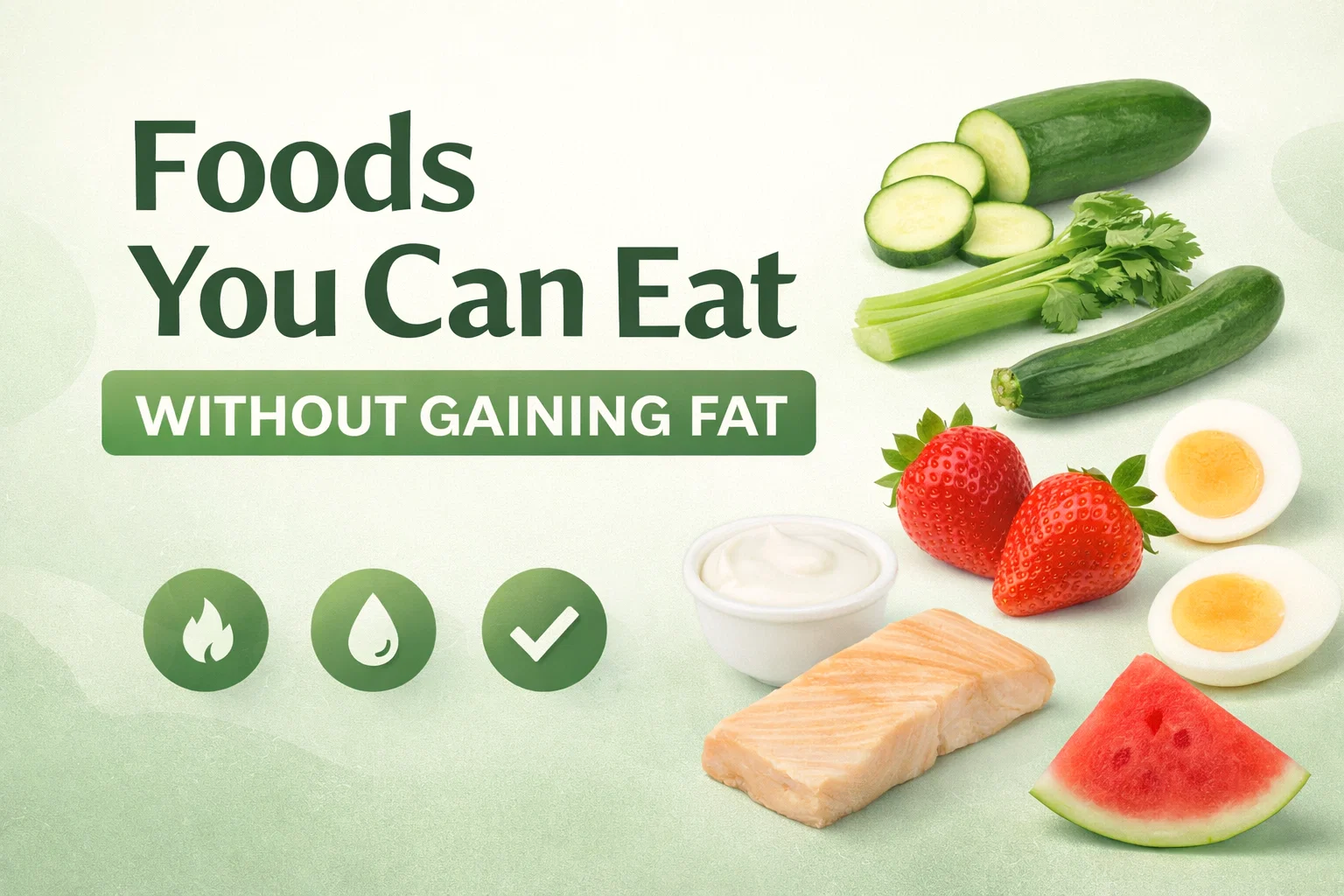
Embarking on a weight loss journey often feels like a constant battle against hunger. We have all been there, staring at a tiny portion of calorie-dense food and wondering how it is supposed to keep us satisfied until the next meal. The secret to sustainable fat loss isn’t about eating less food; it is about eating the right types of food. By focusing on volume eating and nutrient density, you can actually fill your plate and satisfy your appetite while watching the scale move in the right direction. The image we are looking at today highlights 10 incredible powerhouse foods that allow you to eat generously without the fear of gaining weight.
Understanding the science of satiety is a game changer. Your stomach has stretch receptors that signal to your brain when you are full. These receptors don’t count calories; they respond to the physical volume of food. This is why a giant bowl of leafy greens can make you feel more satisfied than a single tablespoon of oil, even if the calorie count is the same. In this comprehensive guide, we are going to dive deep into these ten essential foods, explaining why they work and how you can incorporate them into your daily routine to achieve your fitness goals effortlessly.
1. Cucumber: The Ultimate Hydration Hero
Cucumbers are often overlooked in the produce aisle, but they are a secret weapon for anyone looking to lean down. Composed of about 95 percent water, they provide incredible volume with almost zero caloric impact. Because they are so low in energy density, you can eat multiple whole cucumbers for fewer calories than a small handful of crackers.
How to Use Cucumbers for Fat Loss
- Crunchy Snacks: Slice them up and sprinkle with a little sea salt and lime juice for a refreshing snack that replaces processed chips.
- Volume Filling: Add diced cucumbers to every salad or grain bowl to double the size of your meal without adding significant calories.
- Hydration Boost: Infuse your water with cucumber slices to make staying hydrated more enjoyable, which further aids in suppressing hunger.
2. Celery: The Negative Calorie Myth vs. Reality
You may have heard that celery is a negative calorie food. While that is technically a bit of an exaggeration, the reality is very close. Celery is so high in fiber and water that your body uses a significant amount of energy just to break down its cellular structure. This makes it an ideal food for mindless snacking when you just need something to crunch on.
Beyond its low calorie count, celery provides essential Vitamin K and antioxidants. It acts as a natural diuretic, helping to reduce water retention and bloating, which can make you look and feel leaner almost instantly.
3. Zucchini: The Versatile Volume King
Zucchini is perhaps the most versatile vegetable in a healthy kitchen. Its mild flavor profile means it can take on the taste of whatever spices or sauces you pair it with. For those who miss pasta or heavy grains, zucchini offers a way to enjoy those textures without the heavy carbohydrate load.
Creative Ways to Cook with Zucchini
One of the most popular ways to use this vegetable is by making zoodles or zucchini noodles. By spiralizing a zucchini, you create a base for your favorite marinara or pesto sauce that is 90 percent lower in calories than traditional wheat pasta. You can also grate zucchini into oatmeal (often called zoats) to add massive volume to your breakfast without changing the flavor of your morning bowl.
4. Strawberries: Nature’s Low Sugar Candy
When a sugar craving hits, most people reach for processed sweets that spike insulin and lead to fat storage. Strawberries are the perfect alternative. They are among the lowest sugar fruits available, yet they are packed with Vitamin C and polyphenols. Because they are high in fiber, the small amount of natural sugar they do contain is absorbed slowly by the body.
A full cup of strawberries contains only about 50 calories. Compare that to a cookie or a piece of candy, and you can see why these are a staple for fat loss. They satisfy the sweet tooth while providing the hydration and fiber needed to keep you full until dinner.
5. Egg Whites: Pure Protein Power
If you are looking for the most efficient way to hit your protein goals, egg whites are the answer. While whole eggs are healthy, the yolk contains the majority of the fat and calories. By opting for egg whites, you get pure, high quality protein with zero fat and very few calories. Protein is the most thermic macronutrient, meaning your body burns more calories digesting protein than it does fats or carbs.
Breakfast Transformations
Try making a massive omelet using one whole egg for flavor and half a cup of liquid egg whites for volume. Fold in spinach and peppers, and you have a giant, filling breakfast that is under 200 calories but packed with over 20 grams of protein. This keeps your muscles fueled and your metabolism revving all morning long.
6. Greek Yogurt (0 percent Fat): Probiotics and Protein
Non fat Greek yogurt is a nutritional powerhouse. It contains double the protein of regular yogurt and is loaded with probiotics that support gut health. A healthy gut microbiome is increasingly linked to easier weight management and reduced inflammation. The thick, creamy texture of Greek yogurt makes it feel indulgent, even though it is extremely lean.
It also serves as an excellent sour cream substitute. You can use it in tacos, on baked potatoes, or in creamy salad dressings to slash hundreds of calories from your favorite recipes without sacrificing the creamy mouthfeel you crave.
7. Leafy Greens: Nutrient Density at Its Best
Spinach and kale are the foundations of any successful fat loss diet. These greens are incredibly nutrient dense, meaning they provide a high amount of vitamins and minerals relative to their calorie count. You could eat an entire bag of spinach and still consume fewer calories than a single slice of bread.
Maximizing Your Greens
The trick to enjoying leafy greens is in the preparation. Sauté spinach with garlic and lemon for a delicious side dish, or blend a handful of kale into your fruit smoothie. The fiber in these greens slows down digestion, which prevents blood sugar spikes and keeps your energy levels stable throughout the afternoon.
8. Watermelon: The Filling Summer Treat
Watermelon is another fruit that is almost entirely water, making it very difficult to overeat in terms of calories. It contains an amino acid called citrulline, which can help improve blood flow and reduce muscle soreness after a workout. Eating a wedge of watermelon before a meal can actually help you eat less during the meal because the water and fiber take up so much space in your stomach.
9. White Fish: The Leanest Animal Protein
Cod and haddock are examples of white fish that are incredibly lean. Unlike salmon or mackerel, which are high in healthy fats, white fish is almost entirely protein. This makes it one of the best choices for dinner when you are trying to keep your calorie intake low but your satiety high.
White fish is also very quick to cook, making it perfect for busy weeknights. Season it with herbs, paprika, and lemon juice, then bake or air fry it for a high protein meal that supports muscle retention during a fat loss phase.
10. Mushrooms: The Umami Weight Loss Secret
Mushrooms are often used as a meat substitute because of their savory, umami flavor. They are extremely low in calories and have a unique texture that provides a satisfying chew. They are also one of the few food sources of Vitamin D, which is essential for hormone regulation and mood.
Try swapping half of the ground meat in your recipes (like tacos or bolognese) for finely chopped mushrooms. This technique, known as the blend, significantly reduces the calorie and fat content of the meal while keeping the portion size and flavor profile exactly the same.
Conclusion: Building a Sustainable Lifestyle
Achieving your fitness goals doesn’t mean you have to live in a state of deprivation. By filling your kitchen with these ten foods, you are setting yourself up for success. These ingredients allow you to create large, satisfying meals that nourish your body and keep your metabolism active. Remember that consistency is the most important factor in any health journey. Don’t worry about being perfect; just focus on making better choices one meal at a time.
Start by picking three or four of these foods to add to your grocery list this week. Experiment with new recipes, find flavors you love, and enjoy the feeling of being full while still losing fat. Your body will thank you for the extra hydration, fiber, and nutrients. You have the tools you need to succeed, so go ahead and start building the vibrant, healthy life you deserve.
Save this guide for later so you can refer back to it whenever you need a boost of healthy inspiration!