10 Best Low Potassium Foods for Kidney Health Renal Diet Kidney Friendly Recipes
Managing kidney health through nutrition is one of the most proactive steps you can take for your long term well being. When you or a loved one are navigating the complexities of a renal diet, the initial transition can feel overwhelming. You might worry about losing the flavors you love or feel restricted by the long list of foods to avoid. However, the secret to a successful kidney friendly lifestyle is not focusing on what you cannot have, but rather celebrating the vibrant, delicious, and nutrient dense options that are perfectly safe for your body. By choosing low potassium ingredients, you provide your kidneys with the support they need to function efficiently without the added stress of filtering excess minerals.
Understanding the Importance of Low Potassium Foods
The kidneys serve as the body’s natural filtration system, balancing fluids and electrolytes while removing waste products from the bloodstream. Potassium is a vital mineral that helps your muscles contract and keeps your heart beating at a steady rhythm. However, when kidney function is compromised, the body can struggle to process and eliminate excess potassium. This can lead to a condition known as hyperkalemia, which may cause heart palpitations or other serious health issues. This is why a renal diet often emphasizes low potassium alternatives to keep your levels in a safe and healthy range.
Adopting a low potassium diet does not mean your meals have to be bland. In fact, many of the world’s most popular fruits, vegetables, and grains are naturally low in this mineral. By strategically stocking your pantry with these items, you can create a diverse menu that supports your renal health while keeping your taste buds happy. Let us dive into the best choices for your kitchen and how they benefit your body.
The Power of Berries and Low Potassium Fruits
Fruits are often the first thing people worry about when monitoring potassium, as many popular choices like bananas and oranges are quite high in the mineral. Fortunately, there are several incredible alternatives that offer high fiber and antioxidant protection without the potassium load.
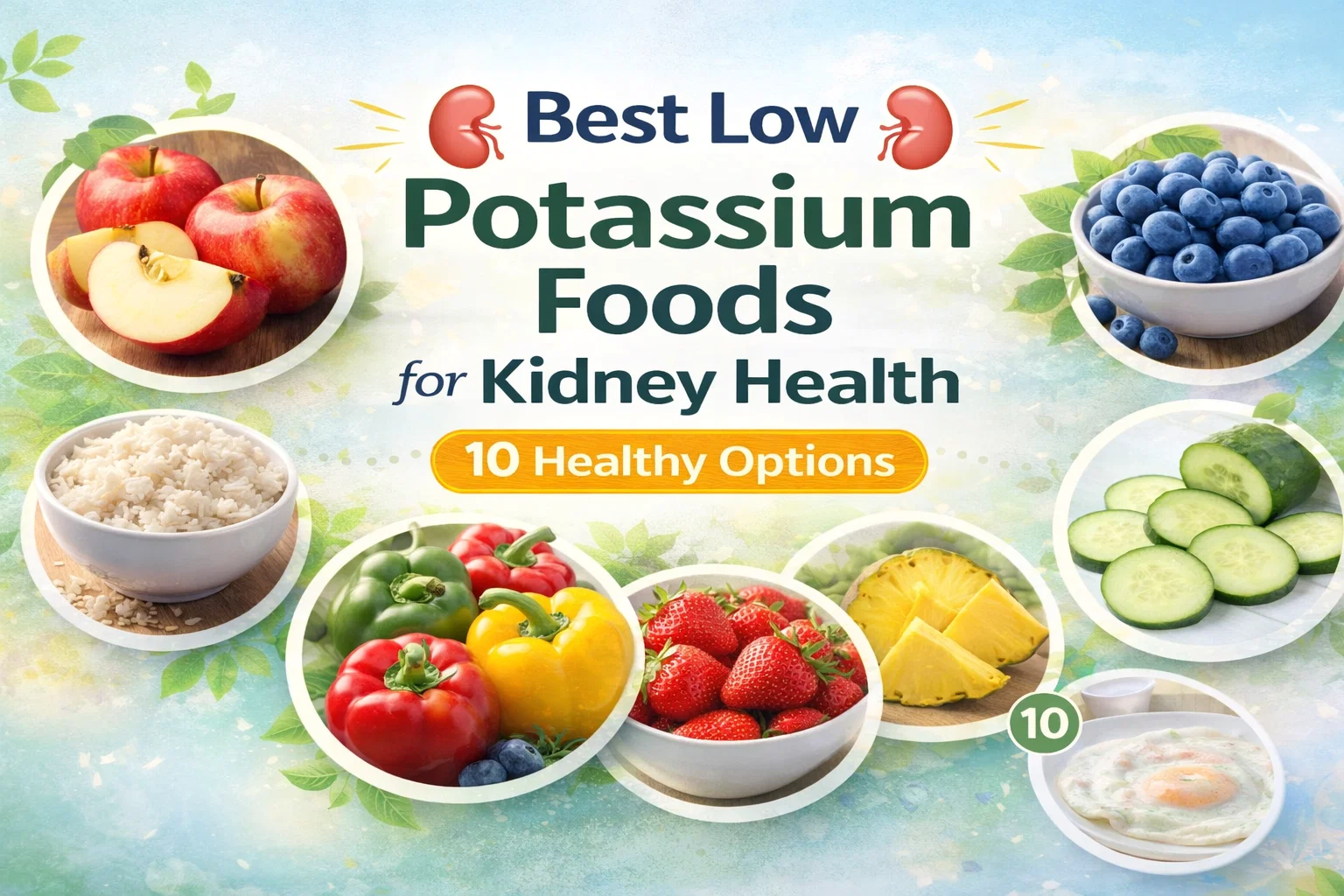
- Apples: Known as a nutritional powerhouse, apples are low in potassium and incredibly high in fiber. They help with digestion and provide a satisfying crunch that works as a snack or a salad topper.
- Blueberries: These tiny gems are packed with antioxidants called anthocyanins, which protect the body against oxidative stress and inflammation. They are one of the most kidney friendly fruits you can find.
- Strawberries: High in Vitamin C and manganese, strawberries offer a burst of sweetness and a boost to your immune system while remaining well within the safe limits for a renal diet.
- Pineapple: While many tropical fruits are off limits, pineapple is a unique exception. It contains bromelain, an enzyme that can help reduce inflammation, making it a refreshing and functional choice.
Vegetables That Support Renal Function
Vegetables are the backbone of any healthy diet, but for those watching their kidney health, it is important to distinguish between high potassium options like potatoes and spinach and the lighter alternatives that are easier on the system. The following vegetables are versatile, delicious, and kidney safe.
Bell Peppers: A Burst of Color and Vitamins
Bell peppers are an absolute must have for anyone on a renal diet. Unlike many other vegetables, they are remarkably low in potassium while being exceptionally high in Vitamin A and Vitamin C. These vitamins are crucial for maintaining healthy skin, eyesight, and a strong immune system. Whether you prefer red, yellow, or green, bell peppers add a wonderful sweetness and crunch to stir fries, salads, or even as a raw snack with a bit of hummus.
Zucchini and Summer Squash
Zucchini is one of the most versatile vegetables in the kitchen. It has a light flavor that absorbs the spices and sauces it is cooked with, making it a perfect base for many dishes. Because it is low in potassium, you can use it to create “zoodles” as a pasta substitute or sauté it with garlic and herbs for a quick side dish. Its high water content also helps with hydration, which is a key component of overall kidney wellness.
The Versatility of Cauliflower
Cauliflower has become a superstar in the health world for good reason. For those on a renal diet, it serves as a fantastic alternative to high potassium foods like potatoes. You can mash it, roast it, or even turn it into a pizza crust. It is rich in Vitamin C, folate, and fiber, providing the bulk and nutrition you need without the mineral density that might stress your kidneys.
Choosing the Right Grains and Proteins
When building a balanced plate, the choice of grains and proteins is just as important as the produce. Many whole grains are actually high in phosphorus and potassium, which is why refined grains are sometimes preferred in a strict renal diet to keep mineral levels controlled.
White Rice: A Low Potassium Staple
While brown rice is often touted for its health benefits, it is significantly higher in potassium and phosphorus than its white counterpart. For those managing kidney health, white rice is often the safer choice. It provides a neutral base for meals and is very low in potassium, making it an excellent energy source that wont interfere with your dietary restrictions.
Egg Whites: High Quality Protein
Protein is essential for muscle maintenance and repair, but many protein sources come with high levels of phosphorus. Egg whites are the “gold standard” for renal diets because they provide high quality protein with much lower phosphorus levels than the yolk. They are incredibly versatile and can be used in omelets, baking, or as a protein boost in various recipes.
Hydration and Flavoring Without the Salt
Beyond choosing low potassium foods, managing sodium intake is the other side of the kidney health coin. High sodium can lead to fluid retention and high blood pressure, both of which put extra strain on the kidneys. Instead of reaching for the salt shaker, look to nature’s spice cabinet to bring your meals to life.
Fresh herbs like cilantro, parsley, and basil add incredible depth to your cooking. Lemon juice and vinegar can provide a bright, acidic pop that mimics the flavor enhancing properties of salt. Garlic and onions, used in moderation, provide a savory base that makes any dish feel gourmet. By focusing on these natural aromatics, you can reduce your sodium intake while actually improving the taste of your food.
The Role of Cabbage and Cucumbers
Cabbage is another vegetable that deserves a spot in your refrigerator. It is loaded with phytochemicals that help break down free radicals in the body. It is also a great source of Vitamin K and Vitamin B6. Similarly, cucumbers are very low in potassium and consist mostly of water, making them a refreshing and hydrating addition to your meals, especially during the warmer months.
Creating a Sustainable Meal Plan
The key to sticking with a renal diet is preparation. When you have the right ingredients on hand, you are much less likely to reach for processed foods that are often hidden sources of sodium and potassium. Start by creating a weekly menu that incorporates the ten excellent foods we have discussed. A sample day might look like this:
- Breakfast: An egg white omelet with diced bell peppers and a side of fresh blueberries.
- Lunch: A refreshing cucumber and cabbage slaw with grilled chicken and a small portion of white rice.
- Snack: A crisp apple or a few strawberries.
- Dinner: Roasted cauliflower steaks served alongside sautéed zucchini and a lean protein.
By focusing on these combinations, you ensure that you are getting a wide array of vitamins and minerals while staying within your dietary guidelines. It is about creating a lifestyle that feels abundant rather than restrictive.
Conclusion: Empowering Your Health Journey
Taking control of your kidney health through diet is an empowering journey that pays dividends in how you feel and your overall quality of life. While the transition to a low potassium diet might require some initial adjustments, the abundance of delicious fruits, vegetables, and grains available makes it an exciting culinary adventure. From the antioxidant power of berries to the incredible versatility of cauliflower and egg whites, you have all the tools you need to build a plate that is as nourishing as it is flavorful.
Remember that every small choice adds up. Each time you choose a kidney friendly snack or swap a high potassium ingredient for a safer alternative, you are giving your body a gift. Stay curious in the kitchen, experiment with new herbs and spices, and focus on the wide variety of fresh foods that are waiting to be enjoyed. Your kidneys work hard for you every single day, and by fueling your body with these excellent low potassium choices, you are working just as hard for them. Here is to a vibrant, healthy, and delicious future!
Would you like me to generate a weekly meal plan based on these kidney-friendly ingredients?