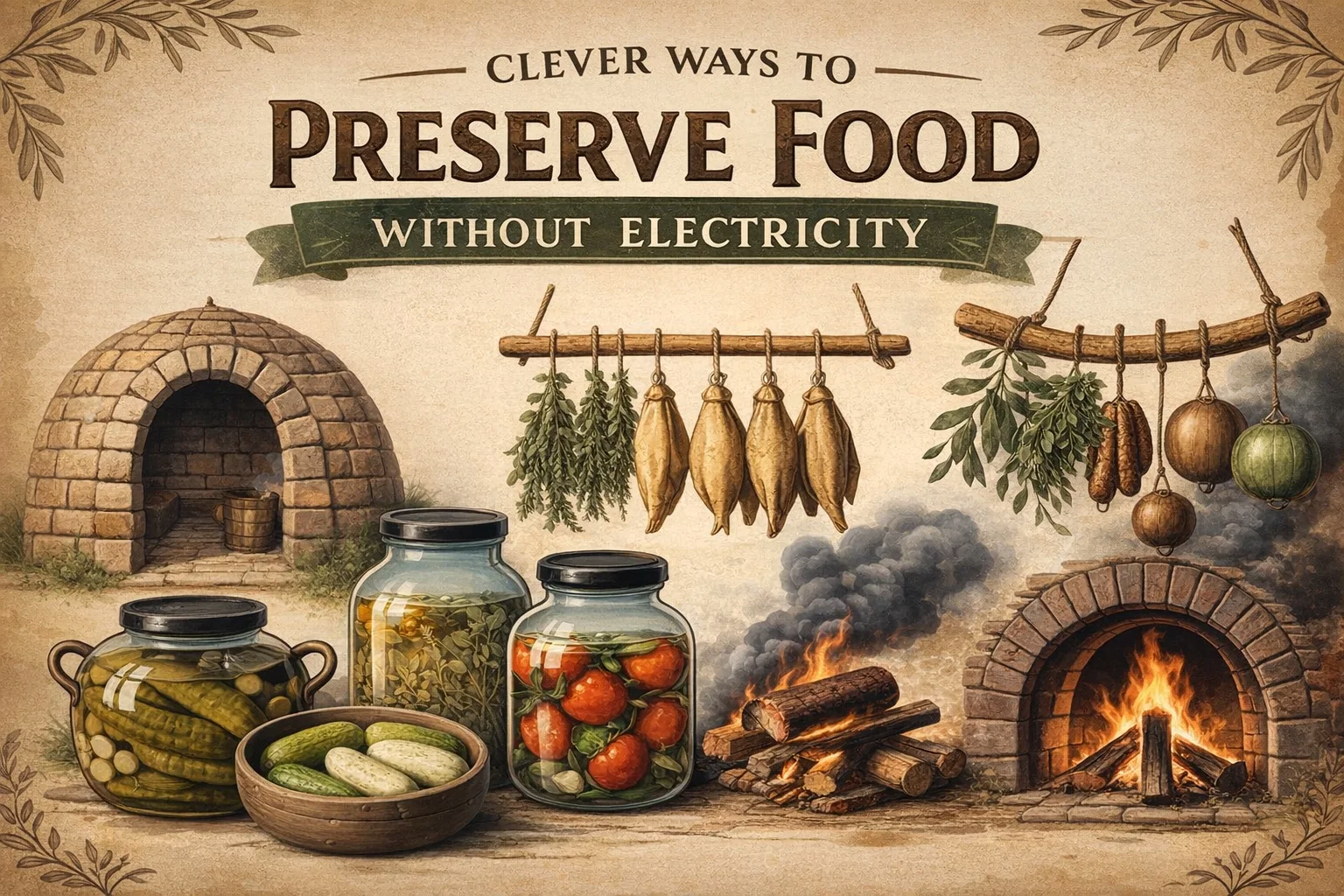
10 Clever Food Preservation Methods How Ancestors Stored Food Without Electricity
Stepping back into the kitchens of our ancestors feels like entering a world of magic and chemistry. Long before the hum of the modern refrigerator became the heartbeat of the home, people possessed an incredible, intuitive understanding of nature. They knew how to harness the wind, the earth, the salt, and the smoke to ensure that a summer harvest could sustain a family through the deepest, leanest months of winter. Today, as we look toward more sustainable ways of living, these ancient techniques are seeing a massive resurgence. Learning how to store food without electricity is not just a survival skill; it is a way to reconnect with the rhythms of the earth and the true flavors of our food.
The Foundations of Ancestral Food Storage
The core of food preservation is a battle against microscopic forces. Bacteria, molds, and yeasts are constantly looking for a way to break down organic matter. Our ancestors did not need a microscope to understand this; they simply observed what worked. By altering the environment of the food, they made it impossible for spoilage organisms to thrive. This usually involved removing moisture, changing the acidity, or lowering the temperature.
When we look at the methods used centuries ago, we see a beautiful simplicity. There was no reliance on complex supply chains or external power grids. Instead, there was a deep reliance on the seasonal cycle. Preservation was a community event, a time when families gathered to process the bounty of the land, ensuring that nothing went to waste. This philosophy of zero waste is something we can deeply benefit from in our modern, fast paced world.
The Underground Magic of Root Cellars
One of the most effective tools in the ancestral arsenal was the root cellar. By digging into the earth, our predecessors discovered a natural thermostat. Deep underground, the temperature remains remarkably consistent regardless of the scorching sun or the freezing snow above. This cool, humid environment is the perfect sanctuary for root vegetables like carrots, potatoes, onions, and beets.
A well designed root cellar uses the earth as insulation. It keeps produce just above freezing, which slows down the respiration of the vegetables, essentially putting them into a state of hibernation. This allows a harvest gathered in October to remain crisp and nutritious well into the following spring. It is a testament to the power of passive cooling and a method that any modern homesteader can replicate with a bit of digging and some basic ventilation.
Harnessing the Power of Air and Sun
Drying is perhaps the oldest preservation method known to humanity. By removing water, you remove the primary life support for bacteria. Our ancestors used the simplest elements available to achieve this: the sun and the wind. Hanging herbs, peppers, and even strips of meat in a well ventilated area allowed the moisture to evaporate slowly, concentrating the flavors and creating a shelf stable product that could last for years.
The Art of Hanging Herbs and Flowers
Walking into an old farmhouse, you would likely see bundles of herbs tied with twine and hanging from the rafters. This was not just for decoration. Drying herbs like rosemary, thyme, and sage ensures that the essential oils are preserved. These dried bundles became the medicine cabinet and the spice rack for the household. The key to successful air drying is airflow. By keeping the bundles small and hanging them in a spot with a gentle breeze, you prevent mold from forming during the drying process.
Smoking: Flavor and Preservation Combined
Smoking is a sophisticated extension of the drying process. By exposing meat and fish to the smoke of a slow burning fire, ancestors achieved two things at once. First, the heat gently dried the food. Second, the smoke deposited natural antimicrobial compounds onto the surface of the meat. This created a protective barrier that prevented spoilage while infusing the food with that deep, rich, campfire flavor that we still crave today. Different woods like hickory, apple, or oak were chosen specifically for the unique flavors they imparted to the bacon, hams, and sausages.
The Alchemy of Fermentation and Pickling
While some methods focus on stopping microbial growth, fermentation actually encourages it. This is the art of inviting the “good” bacteria to the party. By creating an environment where lactic acid producing bacteria can thrive, our ancestors were able to transform raw vegetables into probiotic powerhouses. This process not only preserves the food but also makes it more digestible and increases its vitamin content.
Transforming Vegetables with Brine
Pickling and fermenting are often used interchangeably, but they are slightly different paths to the same goal. Traditional pickling often involved crocks filled with a salt brine. When vegetables like cucumbers or cabbage are submerged in this salty liquid, the salt pulls out the water and creates an environment where only beneficial bacteria can survive. These bacteria produce lactic acid, which acts as a natural preservative. This is how we get the sour tang of a real deli pickle or the complex crunch of sauerkraut.
The Importance of the Vessel
The containers used for preservation were just as important as the ingredients. Before the invention of the Mason jar, stone crocks and ceramic pots were the gold standard. These heavy vessels provided excellent insulation and were easy to clean. Using a weight, often a heavy, clean rock, to keep the vegetables submerged under the brine was a crucial step. This prevented oxygen from reaching the food, ensuring that the fermentation remained anaerobic and safe.
The Benefits of Living Without the Fridge
Adopting these ancestral methods today offers more than just a backup plan for a power outage. It changes our relationship with food. When you preserve your own harvest, you become acutely aware of the quality of your ingredients. You move away from the ultra processed, preservative laden items found on grocery store shelves and toward whole, living foods.
- Enhanced Nutrition: Fermented foods are rich in probiotics that support gut health and immune function.
- Reduced Energy Consumption: Relying on passive methods like root cellaring and air drying reduces your carbon footprint.
- Food Security: Knowing how to store food without electricity provides peace of mind and independence.
- Better Flavor: Traditional smoking and drying concentrate natural sugars and aromatics in a way that industrial processing cannot match.
Creating a Multi Layered Storage System
Our ancestors didn’t rely on just one method. They used a combination of techniques to create a diverse pantry. They might smoke their meats, cellar their hardy roots, and ferment their delicate greens. This multi layered approach ensured that they had a variety of textures and nutrients throughout the year. By diversifying your own preservation skills, you can ensure that your pantry is always full, no matter the season.
Modern Application of Ancient Wisdom
You do not need a 100 acre farm to start practicing these skills. Even in a suburban home or a city apartment, you can begin to integrate these habits. A small fermentation crock fits on any kitchen counter. A cool, dark closet can serve as a makeshift root cellar for a few bags of potatoes. Hanging a few bundles of herbs from a curtain rod is a simple way to start drying your own seasonings.
The beauty of these methods is their accessibility. They require very little specialized equipment. Most of what you need can be found in a standard kitchen: salt, water, jars, and a bit of patience. The most important ingredient is time. Preservation is a slow process that encourages us to slow down and appreciate the transformation taking place in our jars and crocks.
Practical Tips for the Modern Preserver
If you are new to this world, start small. Try fermenting a single jar of carrots or drying a bunch of basil from your windowsill. Pay attention to the smells and textures. Trusting your senses is a major part of the ancestral way. If something smells off or looks fuzzy in a way that doesn’t seem right, listen to your intuition. Over time, you will develop a “nose” for preservation, just as our great grandparents did.
Always use the freshest produce possible. The goal of preservation is to lock in the peak nutrition of a vegetable. If you start with wilting or bruised produce, the end result will reflect that. Seek out local farmer’s markets or grow your own to ensure you are starting with the highest quality ingredients.
Conclusion: Honoring the Past for a Better Future
The ways our ancestors stored food without electricity are a masterclass in ingenuity and resilience. These methods remind us that we are part of a long lineage of people who knew how to thrive in harmony with the natural world. By bringing these “clever” techniques back into our modern kitchens, we do more than just save money or prepare for emergencies. We honor the wisdom of those who came before us and build a more sustainable, flavorful, and connected future.
Whether you are motivated by a desire for self sufficiency, a love for gourmet flavors, or a commitment to the environment, there is a place for ancestral preservation in your life. Start exploring these time honored traditions today, and you might find that the best way to move forward is to take a few cues from the past. Happy preserving!