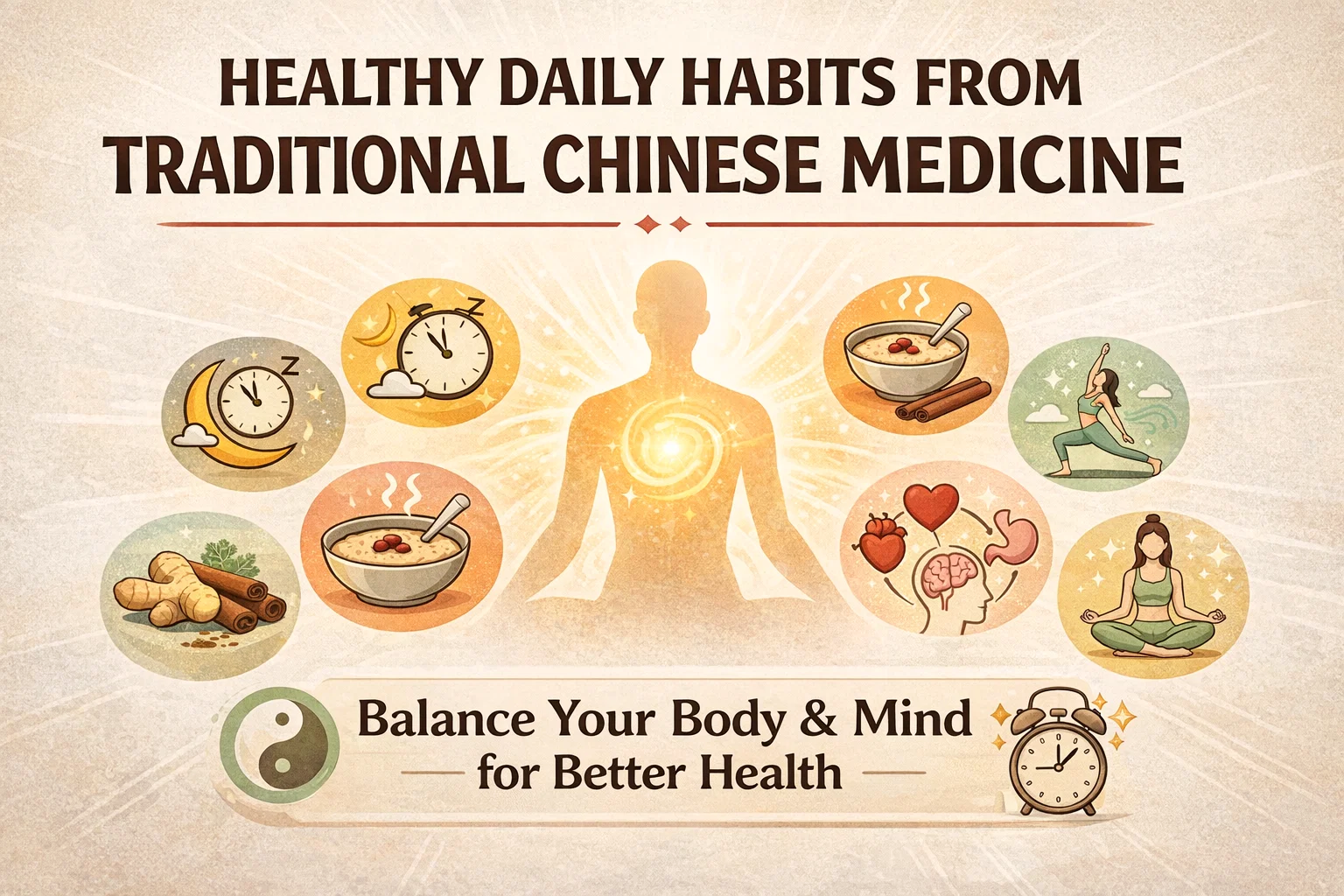
10 Daily Habits for Better Health Traditional Chinese Medicine TCM Organ Clock Guide
Have you ever wondered why your energy levels seem to dip at the exact same time every afternoon or why you wake up consistently in the middle of the night? For thousands of years, Traditional Chinese Medicine (TCM) has provided a roadmap for these exact internal fluctuations. This ancient wisdom suggests that our bodies are not just random collections of organs, but rather a finely tuned biological clock that operates in harmony with the natural world. By understanding the flow of Qi, or vital energy, through our systems, we can stop fighting against our biology and start working with it for better sleep, improved digestion, and lasting emotional balance.
Understanding the Foundation of the TCM Organ Clock
At the heart of Traditional Chinese Medicine is the concept of the Organ Clock. This 24 hour cycle is divided into two hour intervals, during which a specific organ system is at its peak energy. When we align our daily activities, such as eating, working, and resting, with these specific windows, we support our body’s natural healing processes. The goal is to ensure that Qi flows smoothly without blockages, which leads to physical vitality and mental clarity.
Many modern health struggles, from chronic fatigue to digestive issues, often stem from being out of sync with this natural rhythm. When we push through a 11 PM bedtime or skip breakfast, we are essentially asking our organs to perform at their peak when they should be resting. Embracing TCM is not about a radical lifestyle overhaul but rather making small, intentional shifts that honor your internal biological timing.
The Power of Morning Rituals: Salt Water and Spleen Time
How you start your day sets the tone for your entire metabolic and emotional state. According to TCM, the morning is a critical time for the Stomach and Spleen meridians. Between 7 AM and 9 AM, the Stomach is most active, making it the ideal window for nourishing your body. However, the first step happens even before you sit down to eat.
Supporting Kidney Vitality with Warm Salt Water
A simple but profound habit is adding a small pinch of natural sea salt to a glass of warm water upon waking. In TCM, the Kidneys are the reservoir of our fundamental energy. Salt, in moderation and from natural sources, is the flavor associated with the Kidney element. By drinking warm salt water, you provide a gentle spark to your Kidney energy, helping to hydrate your cells and prepare your system for the day ahead. This practice supports vitality and helps clear out the stagnation that accumulates during sleep.
The Golden Window for Productivity: 9 AM to 11 AM
Once you have hydrated and moved your body, you enter Spleen time. From 9 AM to 11 AM, the Spleen is responsible for transforming food and experiences into energy and thought. This is when your mental focus is at its sharpest. This is the best time to tackle your most important work, creative projects, or difficult problem solving tasks. Because the Spleen governs the intellect, you will find that your clarity and productivity are naturally higher during this window than they are later in the evening.
Nourishing the Digestive Fire with Warmth
One of the most significant differences between Western nutrition and TCM is the emphasis on temperature. While cold smoothies and raw salads are often touted as the ultimate health foods in the West, TCM views them as potentially damp and cold for the digestive system. To maintain a strong “Digestive Fire,” it is essential to prefer warm, cooked foods, especially for breakfast.
Why Warmth Matters for Your Gut:
- Protects the Spleen: Cold foods require the body to use extra energy just to warm the food up to body temperature, which can weaken the Spleen over time.
- Reduces Bloating: Cooked foods are essentially “pre-digested” by heat, making it much easier for your stomach to break down nutrients.
- Enhances Nutrient Absorption: When the digestive system is warm and relaxed, it can more efficiently extract the Qi from your food.
Incorporating warming herbs like ginger, cinnamon, fennel, and cumin into your meals can further strengthen your digestion. These spices help to reduce cold related issues and ensure that your metabolic fire stays bright throughout the day.
The Importance of Movement and Physical Alignment
Physical health in the TCM tradition is not just about burning calories. It is about the movement of Qi and blood. Intense, high impact workouts have their place, but TCM emphasizes the value of gentle, consistent movement to build vitality rather than deplete it.
Stretching and the Liver Meridian
Waking up and immediately performing a 3 to 5 minute stretch is more than just a way to wake up your muscles. It helps move Liver Qi. The Liver is responsible for the smooth flow of energy throughout the entire body. When we are sedentary or stressed, this energy becomes stagnant, leading to irritability and stiffness. Gentle morning stretching acts as a release valve, boosting your mood and improving circulation from the moment you get out of bed.
The Benefits of Legs Up the Wall
If you find yourself feeling fatigued or anxious in the afternoon or evening, a simple yoga posture called “Legs Up the Wall” can be life changing. Resting in this position for 10 to 15 minutes allows gravity to assist your circulation. It calms the nervous system, reduces swelling in the legs, and helps transition the body from the “fight or flight” mode into a “rest and digest” state. It is an effortless way to recharge your internal batteries without needing caffeine or sugar.
The Emotional Connection: How Feelings Impact Your Organs
In Traditional Chinese Medicine, there is no separation between the mind and the body. Every primary organ is associated with a specific emotion. For example, the Liver is tied to anger, the Kidneys to fear, and the Spleen to overthinking or worry. This means that chronic stress and unresolved emotions can directly impact the physical health of your organs.
Practicing emotional balance is considered a form of medicine. When you take time for a daily stomach massage, you are not just aiding your digestion physically. You are also stimulating the meridians that help process emotional “food.” By activating the Spleen and Stomach meridians through gentle circular massage, you can reduce bloating and help your body let go of the mental tension that often settles in the gut.
Sleep as a Tool for Repair: The 11 PM Rule
Perhaps the most critical habit in the TCM organ clock is the timing of sleep. In the modern world, we often view the hours between 11 PM and 3 AM as “bonus time” for work or entertainment. However, in TCM, this is the most vital window for deep internal repair. This period belongs to the Gallbladder and the Liver.
The 11 PM to 1 AM Gallbladder Window
The Gallbladder is responsible for decision making and processing fats. If you are awake during this time, you may find yourself feeling indecisive or experiencing digestive sluggishness. More importantly, this is the time when the body begins its major detoxification processes.
The 1 AM to 3 AM Liver Window
The Liver is the body’s primary blood purifier. During these hours, the Liver works to filter the blood and regulate hormones. If you are consistently awake during this time, your skin may suffer, your hormones can become unbalanced, and your emotional resilience will likely drop. Sleeping early supports the Liver in its quest to provide you with fresh, clean energy for the following day. This is why “beauty sleep” is a very real concept in holistic health.
Small Habits for Lasting Transformation
The beauty of Traditional Chinese Medicine is that it does not require you to be perfect. It invites you to be mindful. You can start by simply choosing one or two habits from the organ clock and integrating them into your routine. Perhaps this week you focus on getting to bed by 10:45 PM. Next week, you might add a pinch of salt to your morning water or swap your morning iced coffee for a warm cup of ginger tea.
Quick Tips for Success:
- Listen to your body: If you feel a surge of energy at 9 AM, use it for your hardest tasks. Don’t waste your Spleen time on emails.
- Eat with the seasons: Choose local, seasonal produce to stay in sync with the external environment as well as your internal clock.
- Prioritize stillness: Even 5 minutes of walking or gentle stretching can move stagnant Qi more effectively than an hour of forced exercise when you are exhausted.
Embracing a Harmonious Lifestyle
We live in a society that often rewards the “grind” and encourages us to ignore our physical limits. Traditional Chinese Medicine offers a refreshing and sustainable alternative. It reminds us that we are part of nature, and nature does not hurry, yet everything is accomplished. By aligning your daily habits with your body’s natural energy and the organ clock, you are investing in a future of better health, clearer thinking, and emotional stability.
The wisdom of TCM is a gift that allows us to take control of our wellness through simple, accessible, and ancient practices. Whether it is through the food you eat, the way you move, or the time you choose to rest, every small alignment brings you closer to your most vibrant self. Start today by listening to what your body is telling you, and let the clock guide you back to balance.