10 Easy Quick Pickled Fruit Vegetable Recipes DIY Refrigerator Pickles Guide
Stepping into the world of home preservation can feel like opening a door to a whole new dimension of flavor. While many people associate pickling with rows of dusty jars in a cellar, the modern approach to quick pickling or refrigerator pickles offers an immediate and vibrant way to elevate your culinary game. There is something deeply satisfying about taking fresh, crisp produce and transforming it with a simple brine of vinegar, salt, and spices. Whether you are looking for a zingy topping for your favorite sandwich or a unique addition to a charcuterie board, these small batch recipes provide a perfect starting point for your kitchen experiments.
The Magic of Quick Pickling
Quick pickling is the ultimate kitchen hack for anyone who loves bold flavors but might not have the time or equipment for traditional water bath canning. Unlike fermented pickles which take weeks to develop, refrigerator pickles rely on the acidity of vinegar to preserve the texture and add that signature tang. This method keeps the vegetables and fruits incredibly crisp, maintaining their natural colors and nutritional integrity. Because these are stored in the fridge, you do not have to worry about the complexities of sterilization and sealing that traditional canning requires. It is truly as simple as chop, pour, and chill.
Essential Tools for Your Pickling Project
Before you dive into the recipes, it is helpful to have a few basics on hand. You will want clean glass jars with tight fitting lids. Mason jars are the gold standard here because they are durable and non reactive. Since vinegar is acidic, avoiding metal containers for the actual pickling process is important to prevent any metallic aftertaste. A small saucepan for heating your brine and a set of measuring spoons will round out your toolkit. With these simple items, you are ready to start preserving the seasons right on your countertop.
Classic and Creative Vegetable Pickles
Vegetables are the traditional stars of the pickling world, but there is so much room to move beyond the standard cucumber. By playing with different spices and aromatics, you can create a diverse array of snacks that cater to every palate. From the heat of peppers to the earthiness of garlic, the possibilities for vegetable preservation are nearly endless.
Old Fashioned Dill Pickles
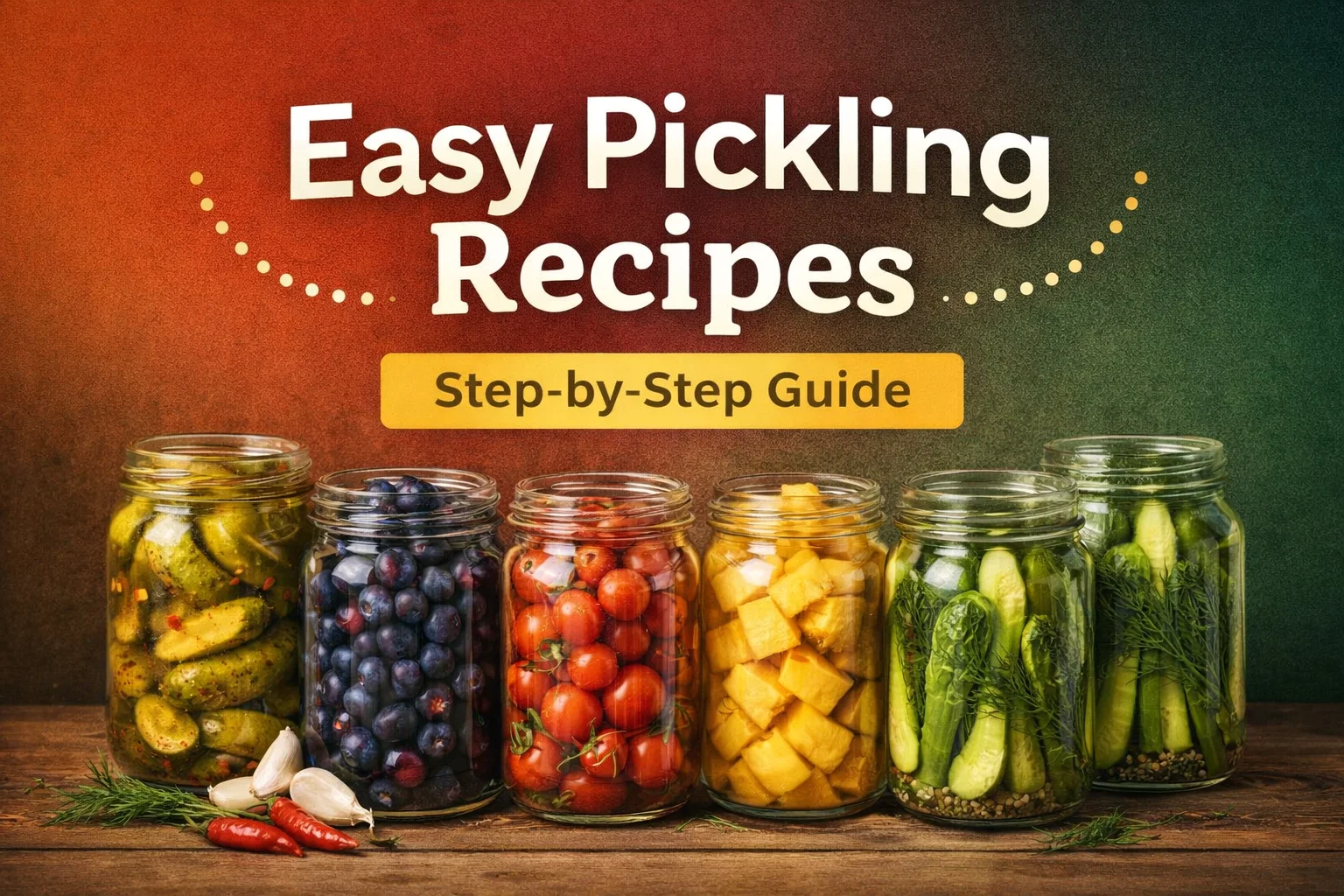
Nothing beats the crunch of a classic dill pickle spear. To achieve that iconic deli style flavor, you need plenty of fresh dill, garlic cloves, and black peppercorns. Using cucumber spears allows the brine to penetrate quickly, ensuring every bite is packed with savory goodness. This is the perfect entry point for beginners because it relies on familiar flavors that everyone loves. Keep a jar of these in the fridge for burgers, sandwiches, or just a low calorie afternoon snack.
Spicy Pickled Garlic and Brussels Sprouts
If you want to take your pickling to a more adventurous level, consider ingredients like garlic cloves or Brussels sprouts. Pickling garlic mellows its intense bite, leaving you with a tangy, crunchy clove that is delicious tossed into salads or served alongside grilled meats. For Brussels sprouts, adding chili flakes to the brine creates a spicy, bite sized appetizer that will surprise even the most skeptical vegetable eaters. These recipes prove that almost anything in the produce aisle can be improved with a little vinegar and spice.
The Sweet and Tangy World of Pickled Fruits
One of the most overlooked areas of preservation is the pickling of fruit. While it might sound unusual at first, the combination of natural sweetness and acidic brine creates a sophisticated flavor profile that is highly prized in gourmet cooking. Pickled fruits are exceptional when paired with cheeses, roasted meats, or even as a surprising garnish for cocktails.
Pickled Blueberries and Strawberries
Berries are delicate, so they require a slightly different approach. Using apple cider vinegar or balsamic vinegar adds a layer of complexity that complements the natural sugars in the fruit. A cinnamon stick or a few cloves can lean into the dessert side of things, while black peppercorns can add a savory edge. Imagine serving pickled strawberries on a bed of fresh spinach with goat cheese, or topping a bowl of vanilla yogurt with zingy pickled blueberries. It is an easy way to make everyday meals feel special.
Tropical Twists: Pickled Pineapple
Pineapple is naturally sturdy enough to hold up well to pickling. By adding rice vinegar, ginger slices, and red chili flakes, you create a sweet and spicy condiment that screams summer. This tropical treat is incredible on fish tacos or served over grilled chicken. The acidity of the vinegar cuts through the richness of the fruit, making it a refreshing and palate cleansing side dish.
Mastering the Pickling Brine
While the ingredients change, the foundation of a good refrigerator pickle is the brine. Understanding the balance between vinegar, water, sugar, and salt will give you the confidence to create your own custom recipes. Most quick pickles use a 1 to 1 ratio of vinegar to water, but you can adjust this depending on how much “pucker” you want in your finished product.
Choosing Your Vinegar
The type of vinegar you choose will significantly impact the final flavor. White vinegar is the most neutral and provides a sharp, clean tang. Apple cider vinegar is slightly milder and brings a fruity note that works well with berries and stone fruits. For a softer, more delicate flavor, rice vinegar is an excellent choice, especially for Asian inspired recipes. If you want something rich and dark, a splash of balsamic can add depth to strawberries or cherries.
The Power of Aromatics and Spices
This is where you can get truly creative. Spices are the secret weapon of the home pickler. Mustard seeds, coriander, and dill seeds provide a classic foundation. If you like heat, don’t be afraid to use red pepper flakes, cayenne, or even fresh habaneros. For a more aromatic profile, try adding fresh ginger, star anise, or citrus zest. Aromatics like whole garlic cloves and fresh herbs like rosemary or thyme not only add flavor but also make your jars look beautiful sitting in the refrigerator door.
The Health Benefits of Homemade Pickles
Making your own pickles at home is about more than just flavor; it is also about knowing exactly what is going into your food. Store bought pickles often contain yellow dyes, preservatives, and high amounts of refined sugar. When you make them yourself, you have total control over the ingredients. You can use high quality sea salt, natural sweeteners like honey or maple syrup, and the freshest organic produce available.
A Natural Way to Enjoy Probiotics
While refrigerator pickles are not fermented in the traditional sense, they still offer a healthy way to consume vegetables. Using raw apple cider vinegar can introduce beneficial enzymes to your diet. Furthermore, because these pickles are not processed with high heat, many of the heat sensitive vitamins in the fruits and vegetables remain intact. They are a fantastic, low calorie way to add fiber and micronutrients to your daily routine.
How to Use Your Pickled Creations
Once you have a fridge full of colorful jars, the fun part begins. There are countless ways to incorporate these tangy treats into your meals. Don’t limit yourself to just eating them straight from the jar, although that is perfectly acceptable too!
- Elevate Your Salads: Use the pickling brine as a base for a vinaigrette and chop up the pickled vegetables to add texture and zing to your greens.
- The Ultimate Board: No charcuterie or cheese board is complete without something pickled. The acidity helps cut through the richness of meats and cheeses.
- Sandwich Upgrades: Move beyond the standard cucumber. Try pickled pineapple on a pulled pork sandwich or pickled garlic on a Mediterranean wrap.
- Cocktail Garnishes: A pickled grape or a spicy pickled green bean can turn a simple drink into a craft cocktail experience.
Getting Started: Tips for Success
If you are ready to start your first batch today, keep these quick tips in mind to ensure the best results. First, always use the freshest produce possible. Pickling will preserve the texture, but it won’t fix a vegetable that is already soft or wilting. Second, make sure your jars are very clean to prevent any spoilage. Finally, be patient! While these are “quick” pickles, they usually need at least 24 to 48 hours in the refrigerator for the flavors to fully develop and penetrate the produce.
Storing and Safety
Because refrigerator pickles are not heat processed for shelf stability, they must stay in the fridge. Most vegetable pickles will stay crisp and delicious for about four to six weeks, though they are usually eaten long before then. Fruit pickles tend to be a bit more delicate and are best enjoyed within two to three weeks. Always use a clean fork to remove items from the jar to keep the brine fresh and clear.
Conclusion: Your New Favorite Hobby
Diving into the world of quick pickling is a rewarding journey that connects you with the ingredients in your kitchen in a meaningful way. It encourages creativity, reduces food waste, and provides you with a constant supply of healthy, flavor packed snacks. Whether you are replicating a family heirloom recipe for dill pickles or experimenting with a spicy chamoy pickle, the process is as enjoyable as the result. So grab some jars, head to the farmers market, and start filling your fridge with the vibrant colors and tastes of homemade pickles. You might just find that once you start pickling, it is hard to stop!