10 Essential Survival Camping Tricks DIY Fire Starters, Shelters Outdoor Skills Guide
Stepping into the great outdoors brings a sense of freedom that is hard to find anywhere else. Whether you are trekking through dense forests or setting up camp under a vast starlit sky, the wilderness offers a unique escape from the hustle of modern life. However, nature is as unpredictable as it is beautiful. Being prepared is not just about having the right gear; it is about possessing the knowledge to adapt and thrive when things do not go exactly as planned. Mastering survival camping tricks allows you to move through the woods with confidence, knowing that you can provide for your basic needs using nothing but your wits and the resources around you.
The Foundation of Wilderness Survival: Mindset and Preparation
Before diving into specific hacks, it is vital to understand that the most important survival tool you own is your brain. Staying calm and thinking clearly is the difference between a minor inconvenience and a genuine emergency. When you find yourself in a tough spot, remember the S.T.O.P. rule: Sit, Think, Observe, and Plan. This mental reset prevents panic and helps you prioritize your needs based on your specific environment.
Preparation starts at home. Even if you are just heading out for a day hike, always tell someone your specific route and your expected return time. Carrying a small survival kit with items like a whistle, a mirror, and some basic medical supplies can save your life. The goal of survival skills is to bridge the gap between an unexpected situation and a safe return home.
Essential Gear You Should Always Carry
While the goal is to use natural resources, having a few key items makes everything easier. A high quality multi-tool, a reliable fire starter, and a sturdy length of paracord are non-negotiable. These items are lightweight and take up very little space in your pack but offer infinite utility when you need to build a shelter or repair gear on the fly.
Mastering Fire: Your Best Friend in the Woods
Fire is the heart of any campsite. It provides warmth, purifies water, cooks food, and acts as a powerful psychological boost. In a survival situation, you cannot always rely on dry wood being readily available. This is where clever fire starting tricks come into play.
The Cotton and Vaseline Hack
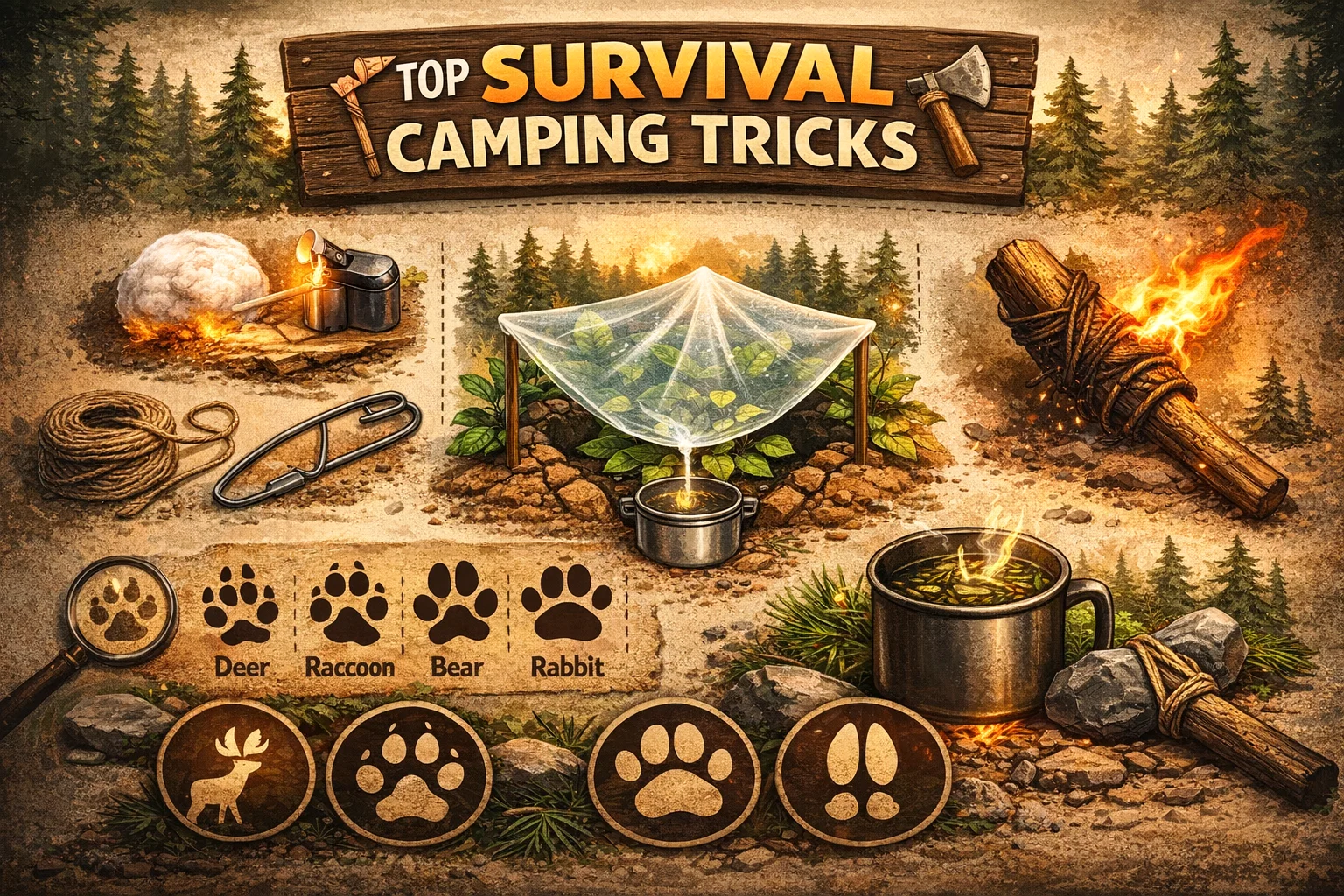
One of the most effective ways to ensure a fire in damp conditions is to use cotton balls soaked in petroleum jelly. This combination creates a waterproof tinder that burns for several minutes, giving you plenty of time to ignite larger twigs. Simply pull the cotton ball apart slightly to expose the fibers, strike a spark, and you have an instant flame that resists wind and light rain.
Building a Sustainable Torch
If you need to move at night or signal for help, a hand held torch is invaluable. You can create one by wrapping thick layers of birch bark or resinous pine wood around the end of a sturdy branch. Secure it tightly with green vines or wire. The natural oils in the bark will provide a bright, steady light that lasts much longer than a simple bundle of sticks.
Water Procurement: Staying Hydrated Without a Tap
You can survive weeks without food but only a few days without water. Finding a source is only half the battle; ensuring it is safe to drink is the other. Pathogens in untreated water can lead to illness that quickly dehydrates you further.
How to Create a Solar Still
If you are in an area with no visible running water, a solar still can literally pull moisture out of the earth and plants. Dig a hole in a sunny spot and place a container in the center. Surround the container with non-toxic green vegetation. Cover the hole with a plastic sheet, securing the edges with soil. Place a small stone in the center of the plastic so it dips directly over your container. As the sun heats the hole, moisture evaporates from the plants, condenses on the plastic, and drips into your cup. It is slow, but it provides pure, distilled water.
Pine Needle Tea: A Survival Superfood
Hydration is not just about water; it is also about nutrients. Pine needle tea is a classic survival staple. By boiling fresh, green pine needles (specifically from white pine if available), you create a drink incredibly high in Vitamin C. This can help prevent scurvy and boost your immune system during long periods in the wild. Just be sure to identify your evergreen trees correctly to avoid toxic varieties like the Yew tree.
Shelter Building: Protecting Yourself from the Elements
Exposure is one of the leading causes of death in the wilderness. Your body needs to maintain a core temperature, and a well built shelter is your primary defense against wind, rain, and cold ground.
The Art of the Debris Hut
A debris hut is a simple, effective shelter that requires no tools. Start with a sturdy ridge pole wedged into a tree fork or supported by two A-frame branches. Lean smaller ribs against this pole to create a ribcage. The secret to warmth is the debris itself. Heap at least two to three feet of dry leaves, pine needles, and grasses over the ribs. This thick layer acts as insulation, trapping your body heat inside. Remember to also pile debris inside the hut to create a sleeping mat so the cold ground does not sap your warmth.
Sourcing Food: Primitive Fishing and Hunting Tools
While you can survive for a while without a meal, having a source of protein keeps your energy levels high and your mind sharp. Small scale foraging and fishing are often more productive than trying to hunt large game.
DIY Fish Hooks from Everyday Items
If you have a safety pin in your first aid kit, you have a fish hook. By bending the pin and sharpening the end against a stone, you can create a functional hook for catching small fish in streams or ponds. If you do not have a pin, you can carve a gorge hook out of a small piece of hardwood or bone. Tie your line to the center, and when the fish swallows the bait, the hook turns sideways in its throat.
Crafting a Stone Axe
A stone axe is an essential tool for processing wood and building more permanent structures. Find a smooth, heavy river stone and a strong, green branch. Split the top of the branch and wedge the stone inside. Use cordage or strips of wet rawhide to lash the stone securely. As the wood or hide dries, it will shrink and tighten, creating a remarkably sturdy tool for heavy duty tasks.
Navigation and Awareness: Knowing Your Surroundings
Getting lost is the nightmare of every camper. Developing a keen sense of direction and understanding the signs left by animals can help you stay oriented and safe.
Identifying Animal Tracks
Being able to read animal tracks is like reading a newspaper of the forest. It tells you what animals are nearby, where they are going, and where they find water.
- Deer: Look for heart shaped hoof prints.
- Raccoon: These look like tiny human hands with five long toes.
- Bear: Large, wide prints with distinct claw marks, often found near berry patches or water.
- Rabbit: Characterized by two long hind prints in front of two smaller front prints.
Knowing these tracks helps you avoid predators and find potential food sources.
Natural Navigation Tips
If you lose your compass, look to the trees. In the northern hemisphere, moss often grows more thick on the north side of trees where there is more shade. Additionally, trees tend to have fuller branches on the south side because they receive more sunlight. While these are not 100 percent foolproof, they provide valuable clues when used alongside other navigation methods.
Emergency Signaling: Getting Noticed
If you are truly stranded, your goal should be to make it as easy as possible for search teams to find you. Contrast and noise are your best tools here.
The Power of Sound and Light
A whistle is far more effective than shouting. It requires less energy, and the high pitched sound carries much further through dense trees. For visual signaling, a small signal mirror can reflect sunlight for miles. Even a smartphone screen or a shiny piece of metal can work in a pinch. Aim the reflection toward the horizon or any passing aircraft by peeking through a small hole in your hand to line up the flash.
Final Thoughts on Wilderness Resilience
The wilderness is a place of immense beauty and profound lessons. Learning these survival camping tricks is about more than just staying alive; it is about building a deeper connection with the natural world. When you know how to turn a pine needle into tea, a safety pin into a fish hook, and a pile of leaves into a warm bed, the forest stops being a scary place and starts being a home. These skills give you the freedom to explore further and the peace of mind to enjoy every moment of your journey. Practice these techniques in a safe environment first, and you will find that your confidence grows with every trip. Stay curious, stay prepared, and always respect the power of nature.