10 Genius Food Storage Hacks to Stop Waste and Keep Groceries Fresh Longer
We have all been there. You come home from a grocery run with bags full of beautiful, vibrant produce, only to find a week later that your tomatoes have turned mushy, your carrots are limp, and your bread is already showing spots of mold. It is frustrating to watch your hard-earned money go straight into the compost bin. The truth is that most of us were never actually taught the science of food storage. We tend to treat the refrigerator like a catch-all magic box that stops time, but for many items, the fridge is actually the enemy of flavor and longevity.
The saying goes that food does not spoil because of time; it spoils because of storage. When you understand the specific needs of different fruits, vegetables, and dairy products, you can easily double or even triple their shelf life. This guide will walk you through the essential adjustments you need to make in your kitchen today to stop waste, save money, and keep your meals tasting better than ever before.
The Countertop Versus the Fridge: Finding the Right Home for Produce
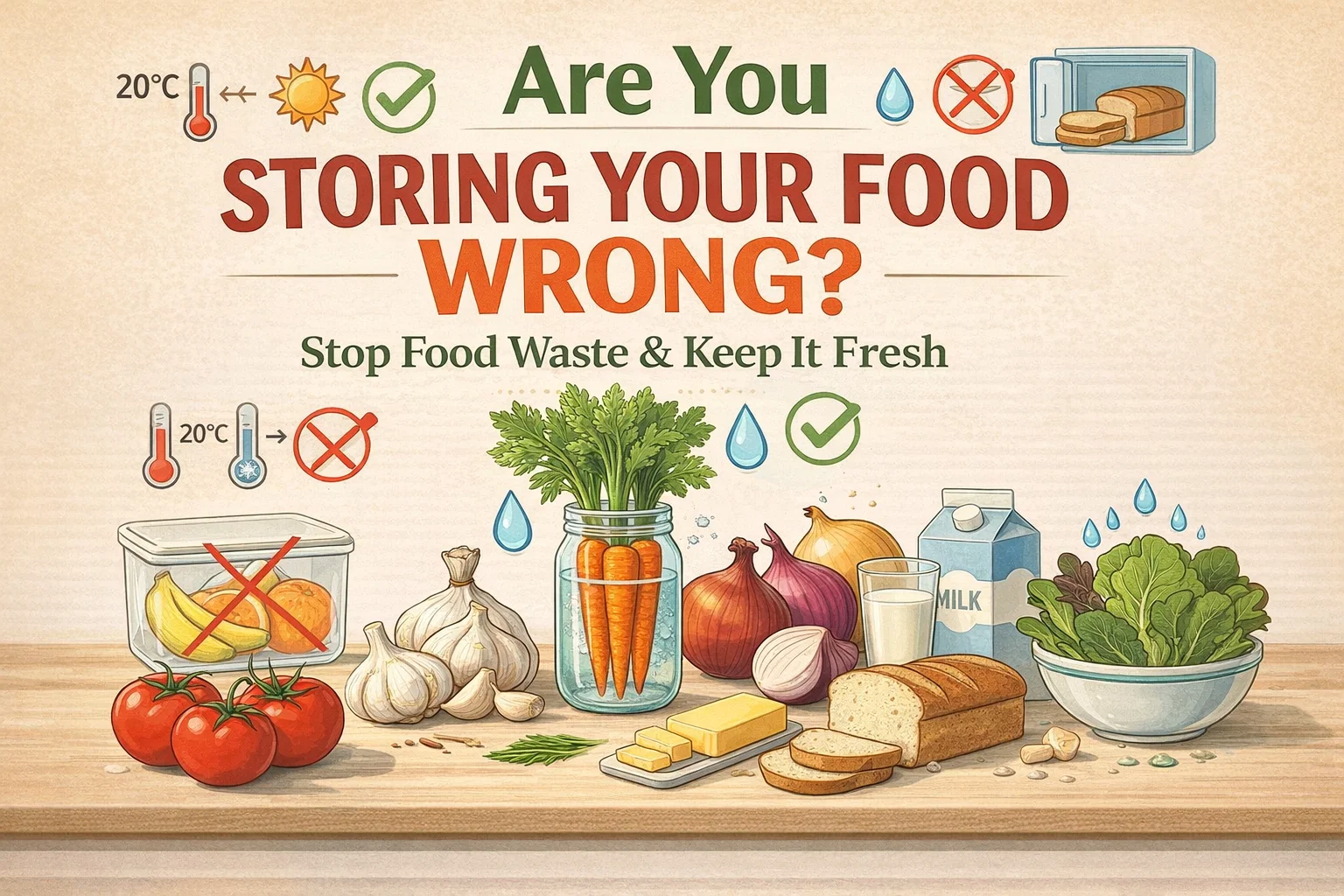
One of the most common mistakes happens before we even unpack the groceries. We assume that cold temperatures are always better for preservation, but this is a major misconception. Take tomatoes, for example. Storing a tomato in the refrigerator actually kills its flavor and ruins its texture. The cold breaks down the membranes within the fruit, resulting in a mealy, flavorless bite. To keep your tomatoes juicy and aromatic, always keep them at room temperature on your counter.
Similarly, onions and garlic require a very specific environment to stay fresh. They thrive in cool, dry, and well-ventilated spaces. If you tuck them away in a plastic bag or a damp corner, they will sprout or rot much faster. A crucial tip for onion storage is to keep them far away from your potatoes. Onions release gases that cause potatoes to sprout prematurely, so giving them their own separate bins is a simple way to extend the life of both staples.
Advanced Vegetable Storage: The Water and Paper Towel Methods
For many vegetables, the secret to maintaining that satisfying crunch is moisture management. Carrots are a perfect example. If you leave them in the plastic bag they came in, they eventually become soft and bendable. To keep carrots crisp for weeks, try storing them submerged in a jar of water in the fridge. This simple hack prevents them from dehydrating and keeps them ready for snacking or cooking at a moments notice.
Handling Leafy Greens
Leafy greens like spinach, kale, and lettuce are notoriously delicate. They have a high water content and can wilt or turn slimy within days if not handled correctly. The best approach is to wash them, dry them thoroughly using a salad spinner, and then store them in a container lined with paper towels. The paper towels act as a buffer, absorbing excess moisture that leads to rot while keeping the environment humid enough to prevent wilting.
Apples and the One Bad Apple Rule
We have all heard the phrase about one bad apple spoiling the bunch, and it is scientifically true. Apples release ethylene gas, which acts as a ripening agent for other fruits. If you store apples in a crowded drawer with other produce, they will cause everything around them to ripen and rot at an accelerated pace. Keep your apples in a dedicated fridge drawer, ideally away from ethylene-sensitive items like leafy greens or berries.
The Avocado Dilemma: Managing the Ripening Process
Avocados are perhaps the most temperamental item in the kitchen. They seem to stay rock-hard for days and then turn brown the second you look away. The trick to mastering the avocado is a two-step process. Keep them on the counter at room temperature until they reach that perfect level of ripeness. Once they are soft to the touch, move them immediately to the refrigerator. The cold temperature acts as a pause button, giving you a much wider window of time to enjoy them before they over-ripen.
Proper Dairy Placement: Why the Fridge Door is a Trap
When you open your refrigerator, the door is the warmest part of the appliance because it is constantly exposed to the ambient air of your kitchen. Despite this, most refrigerator designs include a convenient shelf for milk right in the door. This is actually the worst place to put it. To maximize the life of your milk and prevent it from souring early, store it in the back of the fridge on a lower shelf where the temperature is most consistent and cold.
Butter Storage Tips
Butter is more resilient than milk, but it still requires some strategy. If you plan on using a stick of butter within a few days, keeping it at room temperature in a butter dish is perfectly fine and makes it much easier to spread. However, for long-term storage, the refrigerator is essential. If you buy butter in bulk, you can even freeze it to keep it fresh for months without any loss in quality.
Bread and Grains: Stop the Staling Process
Many people put their bread in the fridge thinking it will prevent mold. While the cold does slow down mold growth, it also speeds up the recrystallization of starch molecules, which makes the bread go stale and dry almost instantly. If you cannot finish a loaf of bread within a few days at room temperature, the best solution is the freezer. Sliced bread can be frozen and then popped directly into the toaster, which restores its soft interior and crispy crust perfectly.
Why Proper Storage Matters for Your Wallet and the Planet
When we talk about food storage, we are really talking about household management and environmental responsibility. According to recent studies, a significant percentage of all food produced is wasted at the consumer level. This is not just a waste of the food itself, but also a waste of the water, energy, and labor that went into producing it. By spending just a few extra minutes organizing your groceries when you get home, you are contributing to a more sustainable world.
The Financial Impact
Think about the cost of a bag of organic spinach or a carton of high-quality milk. If you throw away 20 percent of your groceries every month due to spoilage, you are essentially throwing away a significant portion of your annual food budget. Implementing these storage tips is like giving yourself a raise. You will find that your grocery trips become more efficient because you are actually consuming everything you buy.
Creating a Sustainable Kitchen System
To make these habits stick, it helps to organize your kitchen in a way that supports proper storage. Invest in a few glass jars for your carrots and celery. Keep a dedicated basket on the counter for your tomatoes and avocados. Labeling your fridge drawers can also help remind family members where specific items belong. When the system is visual and easy to follow, it becomes second nature.
The Importance of Airflow
One final tip that applies to almost everything in the pantry and fridge is the importance of airflow. Packing your refrigerator too tightly prevents cold air from circulating, which creates warm spots where bacteria can grow. Similarly, overcrowding your pantry can lead to moisture buildup. Give your food a little breathing room, and it will reward you with a longer shelf life.
Conclusion: Small Changes, Big Results
Mastering the art of food storage does not require expensive gadgets or a complete kitchen remodel. It simply requires a bit of knowledge and a shift in habit. By remembering that tomatoes belong on the counter, milk belongs in the back of the fridge, and carrots love a bath of water, you can transform your kitchen into a zero-waste zone. These 10 tips are just the beginning of a journey toward a more mindful and efficient way of living. Start implementing them today, and you will quickly notice the difference in the freshness of your meals and the health of your bank account. Happy organizing!