10 Genius Grandma Hacks Vintage Home Tips for a Better Life
In an era dominated by high tech gadgets and expensive chemical cleaners, there is something profoundly grounding about returning to the basics. We often look for the latest innovations to solve our household woes, yet the most effective solutions have been sitting in our kitchen pantries for generations. These grandma hacks are not just old fashioned traditions; they are practical, science based methods that have stood the test of time because they actually work. From cleaning tarnished silver to fixing a sticky drawer, these vintage tips offer a sustainable and budget friendly alternative to modern consumerism.
The Magic of the Kitchen Pantry: Natural Solutions for Every Room
One of the most remarkable things about traditional household wisdom is how it utilizes simple, organic materials. Instead of a cabinet full of specialized plastic bottles, our grandmothers relied on the chemical properties of fruits, vegetables, and basic staples. This approach is not only better for your wallet but also significantly safer for your home environment, especially if you have pets or small children crawling around.
Citrus Power: Brightening Whites with Lemon Juice
Before the invention of harsh liquid bleaches, the sun and the lemon were the primary tools for keeping linens crisp. Lemon juice contains citric acid, which acts as a natural bleaching agent. When you soak your dingy white socks or pillowcases in a mixture of hot water and lemon juice, the acid breaks down the alkaline residues that cause yellowing. If you hang those items to dry in the direct sunlight, the UV rays act as a catalyst, accelerating the whitening process. It is a powerful duo that leaves your laundry smelling fresh without the overwhelming scent of chlorine.
The Humble Potato: A Rust Remover in Disguise
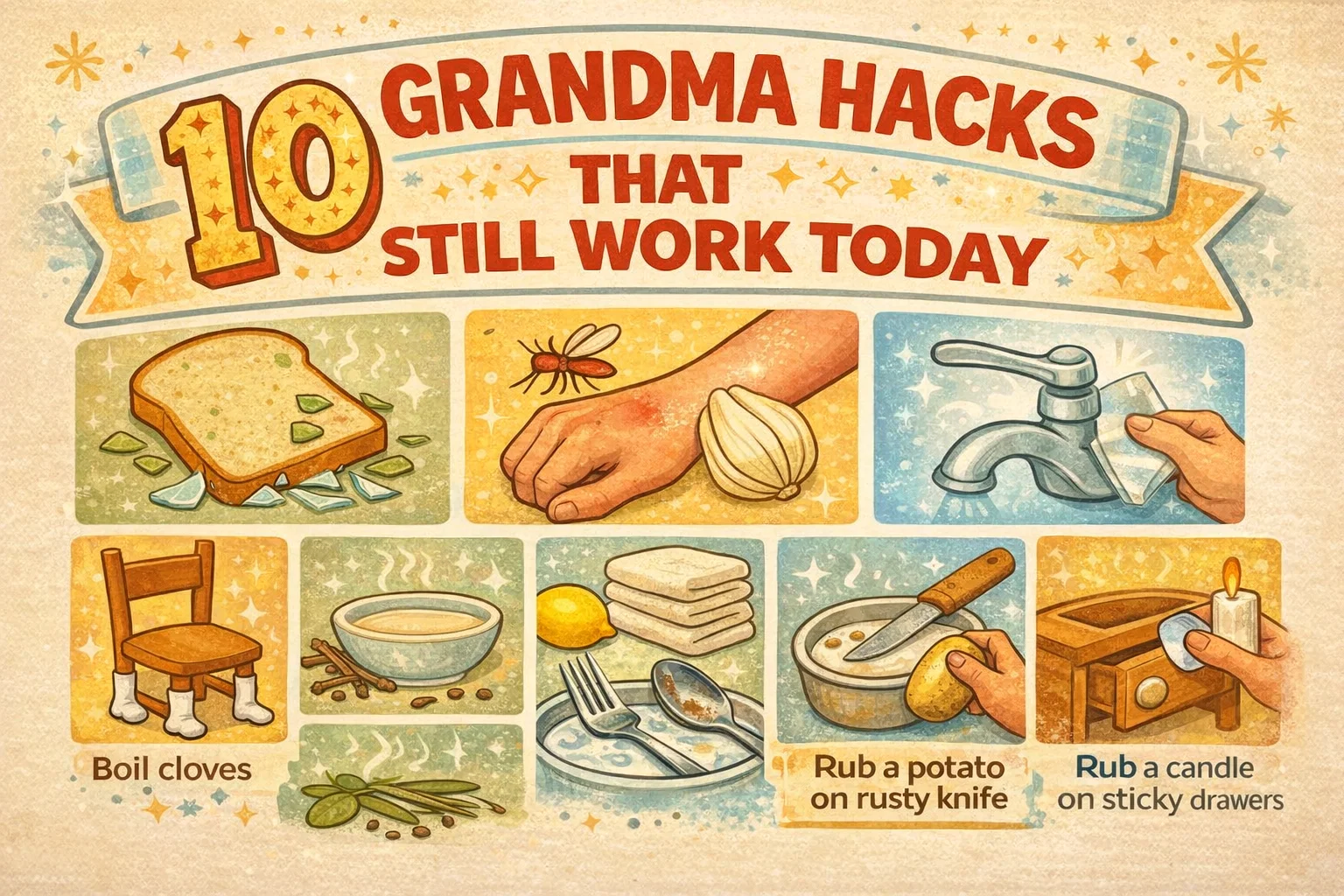
It sounds like an old wives tale until you try it, but rubbing a sliced potato on a rusty knife is a legitimate chemistry hack. Potatoes contain oxalic acid, which is a key ingredient in many commercial rust removing products. When you slice a potato and rub the moist surface against a rusted carbon steel blade, the acid reacts with the iron oxide to dissolve the rust. To make this even more effective, many suggest dipping the potato in a bit of dish soap or salt to provide a gentle abrasive texture. It is the perfect way to restore vintage kitchen tools without scratching the metal.
Clever Cleaning Tricks for a Sparkling Home
Grandmas were the original masters of the deep clean. They didnt have motorized scrubbers or specialized wipes, so they had to get creative with the textures and materials available to them. These hacks prove that sometimes the most effective tool is the one you already have in your hand.
Shine Your Faucets with Wax Paper
Have you ever noticed how water spots seem to reappear on your chrome faucets minutes after you clean them? The secret to a long lasting shine is wax paper. After you have wiped down your faucet, take a crumpled piece of wax paper and rub it vigorously over the metal surfaces. The food grade paraffin wax transfers to the faucet, creating a thin, invisible barrier. This coating causes water to bead up and roll off rather than drying into unsightly spots. It also helps repel fingerprints, keeping your bathroom looking pristine for days longer than usual.
Picking Up Tiny Glass Shards with Bread
Breaking a glass is a nightmare, especially when those tiny, invisible splinters scatter across the floor. A vacuum might miss them, and a wet paper towel often just pushes them around. This is where a slice of soft white bread becomes a lifesaving tool. Because bread is porous and slightly damp, pressing a slice firmly onto the floor allows it to act like a magnet for glass. The shards get embedded deep into the doughy center of the bread, ensuring that even the microscopic slivers are removed safely. It is the most reliable way to ensure your kitchen floor is safe for bare feet.
Refreshing Your Living Space Naturally
Scent is a powerful component of a comfortable home, but many modern air fresheners rely on synthetic fragrances that can irritate the respiratory system. Grandmas knew how to use heat and spice to create an inviting atmosphere that felt clean from the inside out.
Boiling Cloves to Refresh the Air
Instead of spraying an aerosol can, try the simmering pot method. Boiling a handful of whole cloves in a small pot of water releases essential oils that act as natural deodorizers. Cloves have a warm, spicy aroma that can cut through tough cooking odors like fish or onions. For a more complex scent, you can add cinnamon sticks or orange peels. This method adds a bit of humidity to the air during dry winter months while making your entire house smell like a cozy bakery. It is a sensory experience that synthetic scents simply cannot replicate.
Sour Milk for Silver Polishing
It might sound counterintuitive to use something that has gone off to clean something precious, but sour milk is a classic silver restorer. As milk spoils, it produces lactic acid. This mild acid is perfect for gently removing tarnish from silver spoons and jewelry without being abrasive. By soaking your silver items in sour milk for about half an hour and then rinsing with warm, soapy water, you can restore their original luster. It is a great way to reduce waste by finding a use for milk that is just past its prime.
Maintenance and Problem Solving Around the House
A well maintained home is a happy home, and many of these vintage hacks focus on preventative care and quick fixes for common household annoyances. These tips are all about working smarter, not harder.
The Secret to Smooth Drawers: Candle Wax
Sticky wooden drawers are a common frustration in older furniture. When the wood swells or the finish wears down, the friction makes it difficult to open and close. The solution is as simple as an unlit candle. By rubbing the bottom of a white candle along the drawer glides and the tracks inside the cabinet, you apply a layer of wax that acts as a dry lubricant. This reduces friction instantly, allowing the drawer to slide smoothly without the mess of oils or grease that could stain your clothes or linens.
Freezing Gum for Easy Removal
Finding chewing gum stuck to a favorite sweater or a rug can feel like a disaster. If you try to pull it off while it is soft, you only succeed in grinding it deeper into the fibers. The trick is to change its state. By applying an ice cube or placing the garment in the freezer, you harden the gum until it becomes brittle. Once it is frozen solid, you can often snap the gum right off or gently scrape it away with a dull knife. This method preserves the integrity of the fabric and prevents the sticky residue from spreading.
Health and Comfort: Old School Wisdom
Beyond cleaning and maintenance, grandma had a solution for the little physical discomforts of life. These remedies were born from a time when people had to rely on what was in their garden or medicine cabinet to get through the day.
Garlic for Mosquito Bites
While we usually think of garlic for cooking, it has been used for centuries for its anti inflammatory properties. Rubbing a cut clove of garlic on a fresh mosquito bite can help reduce the itching and swelling. The sulfur compounds in the garlic act as a natural antihistamine of sorts. While you might smell like a pizza for a little while, the relief is often immediate and much more effective than many store bought creams. Just be sure not to use this on broken skin, as it can sting!
Socks for Chair Legs: Protecting Your Floors
Scratched hardwood floors are expensive to repair, and those little felt pads you buy at the store always seem to fall off after a week. The vintage solution is both adorable and practical: slip small socks over the legs of your chairs. This was a common way to repurpose old, mismatched socks or baby socks that had lost their pair. The fabric provides a thick, cushioned barrier that allows chairs to glide silently across the floor without leaving a single mark. It is a quirky, charming look that adds a bit of personality to a room while performing a vital function.
Why Vintage Hacks are Making a Comeback
In recent years, there has been a massive resurgence in these old school methods. This trend is driven by a global shift toward sustainability and minimalism. People are becoming increasingly wary of the long list of unpronounceable ingredients in modern cleaners and are looking for ways to reduce their environmental footprint. By using lemons, vinegar, bread, and potatoes, we are eliminating plastic waste and keeping harmful chemicals out of our water systems.
Furthermore, there is a deep sense of satisfaction that comes from mastering these skills. There is a certain pride in knowing how to maintain your home using your wits and a few basic supplies. It connects us to our past and teaches us the value of being resourceful. These hacks remind us that we dont always need to buy something new to solve a problem; often, the solution is already right in front of us.
Conclusion: Honoring the Wisdom of the Past
The ten grandma hacks explored here are just the tip of the iceberg when it comes to traditional household wisdom. These methods have survived through the decades because they are efficient, affordable, and incredibly effective. Whether you are trying to get a stain out of a white shirt, fix a stubborn drawer, or simply freshen up your living room, there is likely a vintage solution that can help you do it better.
By incorporating these tips into your modern routine, you are not just cleaning your house; you are participating in a long lineage of domestic ingenuity. So, the next time you face a household challenge, take a moment to ask yourself what your grandmother would have done. Chances are, she had a brilliant, simple hack that will save you time and bring a little bit of that timeless charm back into your home. Start small, perhaps by polishing your kitchen faucet with wax paper today, and see for yourself how these old ways are often the best ways.