10 Plastic-Free Food Storage Hacks How to Keep Produce Fresh Without Plastic Waste
Reducing plastic in the kitchen is one of the most impactful steps you can take toward a sustainable lifestyle. Not only does it help the environment by cutting down on single-use waste, but it also fundamentally changes the way we interact with our food. Many people assume that plastic wrap and polyester bags are the only ways to keep produce crisp, but the truth is that traditional, plastic-free methods often do a much better job of preserving flavor and nutrients. By returning to simple materials like glass, wood, and natural fibers, you can create a kitchen environment that is both beautiful and highly functional. This guide will walk you through the best ways to store your groceries without a single scrap of plastic.
The Science of Freshness Without Plastic
Plastic is often used because it creates an airtight seal, but that isn’t always what your food needs. In fact, many fruits and vegetables need to breathe to stay fresh. When trapped in plastic, they release ethylene gas and moisture that leads to rapid rotting and mold. Transitioning to plastic-free storage involves understanding which foods need humidity, which need airflow, and which need to be submerged in water. By matching the storage method to the specific biological needs of the produce, you can double or even triple the shelf life of your groceries.
Maximizing Herbs and Root Vegetables
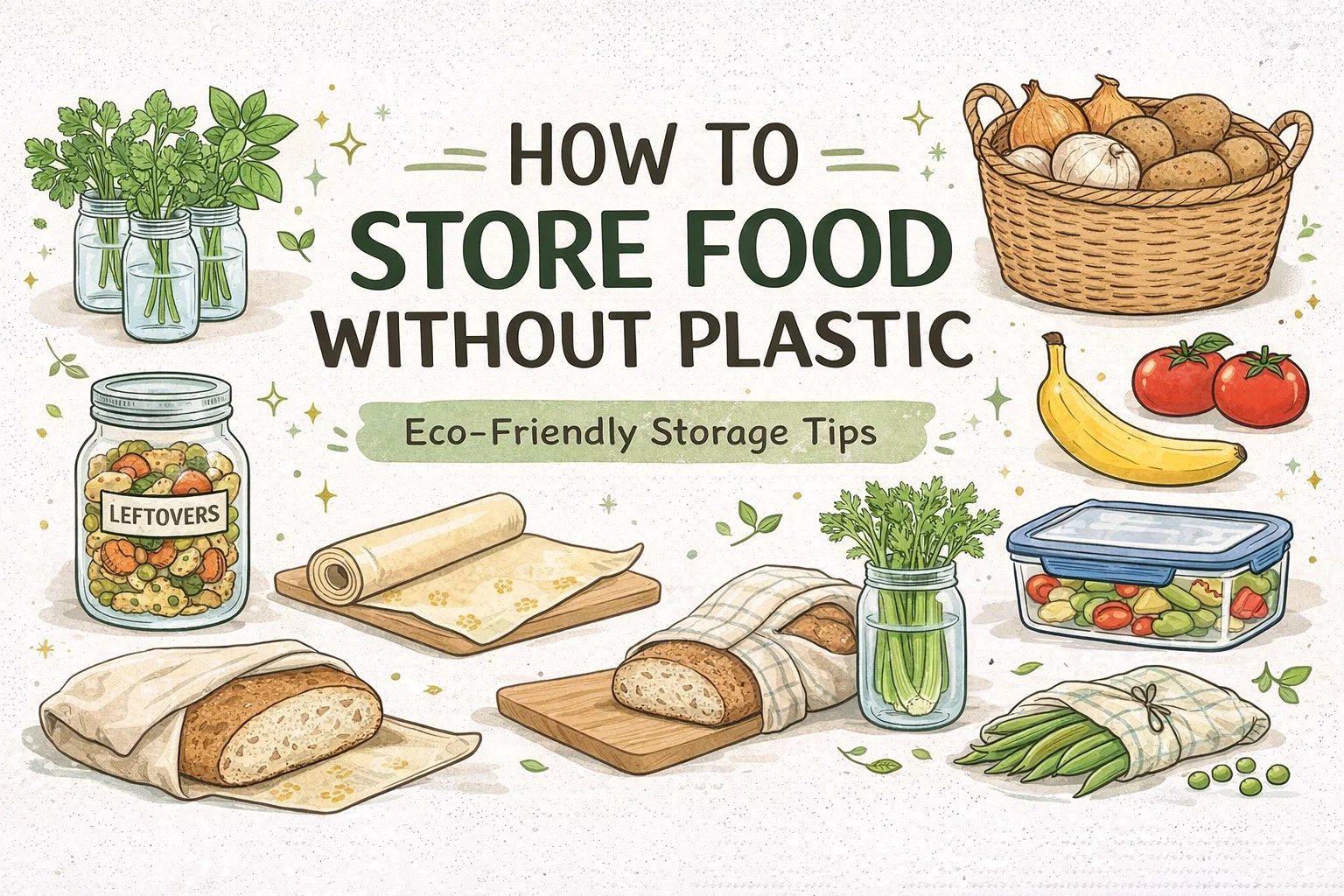
One of the most effective plastic-free hacks is treating your vegetables like a bouquet of flowers. For leafy herbs like parsley, cilantro, and basil, trim the very ends of the stems and place them upright in a glass jar with about an inch of water. You can keep these right on your counter for a decorative look or tuck them into the fridge. This keeps the cells hydrated and prevents the leaves from wilting within days.
Carrots and celery also thrive with this hydration method. If you have ever pulled a rubbery carrot out of a plastic bag, you know how disappointing it can be. Instead, peel or trim your carrots and store them completely submerged in a jar of filtered water in the refrigerator. Change the water every few days, and you will have crunchy, fresh snacks for weeks. This method prevents the moisture loss that typically happens in the dry environment of a standard refrigerator.
Smart Storage for Pantry Staples
Your pantry is another area where plastic tends to accumulate, from bread bags to onion sacks. Moving away from these materials requires a bit of old-school wisdom. Natural materials like wicker and wood are breathable, which is essential for items that are prone to sprouting or molding in stagnant air.
The Art of Storing Potatoes and Onions
Potatoes and onions are kitchen workhorses, but they are often stored incorrectly. The key to keeping them fresh is a cool, dark, and well-ventilated spot. A wicker basket is the perfect vessel because it allows air to circulate around each bulb and tuber. It is also vital to keep potatoes and onions separate from each other. Onions release gases that can cause potatoes to sprout prematurely, so give them their own baskets in different corners of your pantry or a dark lower cabinet.
Keeping Bread Fresh in a Wooden Box
Plastic bags are the enemy of a good crusty loaf of bread. They trap moisture, which turns the crust soft and encourages mold growth. To keep your bread at its best, wrap it in a clean linen cloth or even a clean cotton pillowcase. Then, place it inside a wooden bread box. The wood provides a consistent environment that protects the bread from drafts while allowing just enough air exchange to keep the crust crisp and the inside soft.
Revolutionizing Your Refrigerator Layout
The refrigerator is often the biggest source of plastic clutter, between leftovers in tubs and produce in crisper drawers. However, with a few key items like glass jars and beeswax wraps, you can eliminate the need for cling wrap and plastic containers forever. Glass and stainless steel are the gold standard for cold storage because they do not leach chemicals into your food and they are incredibly easy to sanitize.
Better Leafy Green Management
Lettuce and kale are notoriously difficult to keep fresh. The secret to long-lasting greens is managing moisture. Instead of keeping them in the plastic sleeve from the grocery store, wash your greens, shake off the excess water, and wrap them snugly in a clean, damp tea towel. Place the bundled towel in the refrigerator. The towel maintains the perfect humidity level to keep the leaves turgid and crisp without making them soggy.
The Power of Beeswax Wraps
Beeswax wraps are a fantastic alternative to plastic film. These are pieces of cotton infused with food-grade beeswax, resin, and oils. The warmth of your hands allows you to mold the wrap over the top of a bowl or around a piece of cheese or half an avocado. They are breathable and naturally antibacterial, making them perfect for covering plates of leftovers or wrapping snacks for on the go. When you are done, just wash them in cool water with a little soap and they are ready to use again.
Innovative Freezing Techniques
Many people assume that freezing requires plastic freezer bags to prevent freezer burn, but glass and stainless steel work beautifully if you follow a few simple rules. Using glass jars for freezing is a great way to save money and stay organized, provided you leave enough headspace at the top of the jar for the contents to expand as they freeze.
Freezing Fruits and Vegetables Whole
Certain items can be frozen directly without much preparation. Stone fruits like peaches, yellow bendy fruits like bananas, and even tomatoes can be frozen whole. For bananas, it is often best to peel them first and store them in a large glass container. For tomatoes and peaches, you can place them on a tray to freeze individually before transferring them to a glass jar or stainless steel container. This prevents them from sticking together in one big clump.
Storing Beans and Peas
Fresh beans and peas can be kept in the fridge or freezer using cloth. For short-term fridge storage, wrapping green beans in a damp cloth helps them stay snappy. For the freezer, shelling peas and placing them in a wide-mouth glass jar is a convenient way to keep them ready for soups and stews. Just remember the golden rule of freezing in glass: let the food cool completely before putting it in the freezer to prevent the glass from cracking due to temperature shock.
Why the Switch to Plastic-Free Matters
Beyond the environmental benefits, storing food without plastic has a direct impact on your health. Plastic containers can contain bisphenols and phthalates, which are known endocrine disruptors. When fatty or acidic foods are stored in plastic, these chemicals can migrate into what you eat. By switching to glass, stainless steel, and natural fibers, you are ensuring that your healthy, organic produce stays pure and uncontaminated.
Furthermore, there is a psychological benefit to a plastic-free kitchen. Opening a fridge filled with clear glass jars and fresh greens wrapped in linen is far more inspiring than digging through a pile of crinkly plastic bags. It encourages you to see what you have, which reduces food waste and makes the process of cooking much more enjoyable.
Essential Tools for Your Sustainable Kitchen
- Wide-Mouth Glass Jars: Perfect for everything from leftovers to carrot sticks.
- Stainless Steel Containers: Durable, lightweight, and excellent for the freezer.
- Wicker Baskets: The best way to store root vegetables and alliums.
- Cotton Tea Towels: Essential for wrapping greens and herbs.
- Beeswax Wraps: The ultimate replacement for plastic cling wrap.
- Wooden Bread Box: Keeps your loaves fresh and your counters organized.
Transitioning Your Kitchen Step by Step
You do not need to throw away all your plastic containers today. The most sustainable approach is to stop buying new plastic and replace your current items with better alternatives as they wear out. Start by saving glass jars from pasta sauce or pickles. These are free, high-quality storage vessels that work perfectly for the water-submerging methods mentioned earlier. Next, invest in a few high-quality beeswax wraps and a set of cotton towels specifically for your produce.
As you get used to these new habits, you will find that your food tastes better and stays fresh much longer. You will also notice a significant decrease in the amount of trash you take to the curb every week. It is a win for your wallet, a win for your health, and a win for the planet.
Final Thoughts on Plastic-Free Storage
Mastering the art of plastic-free food storage is a journey of rediscovering how food was kept for generations. It involves a little more intention and a few more jars, but the results are undeniably worth it. By utilizing the natural properties of water, air, and fiber, you can keep your kitchen running efficiently and sustainably. Whether you are keeping celery upright in a jar or wrapping your sourdough in a pillowcase, each small change contributes to a cleaner home and a healthier lifestyle. Start with one or two of these methods this week and watch how your kitchen transforms into a zero-waste haven.