10 Proven Ways to Build Mental Strength Emotional Resilience Mindset Growth Tips
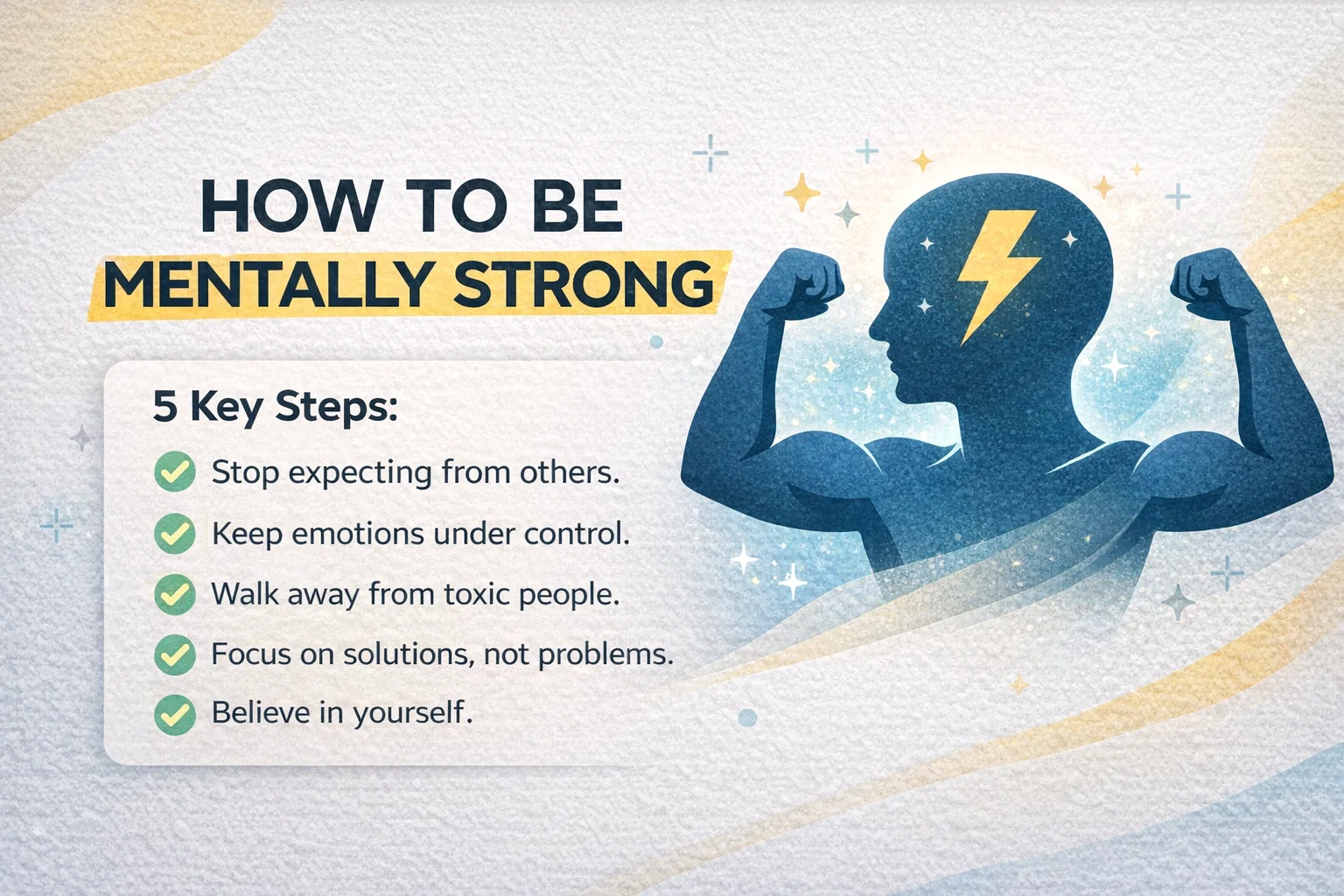
Building mental strength is one of the most transformative journeys you can undertake. In a world that often feels chaotic and demanding, having a resilient mind is not just a luxury but a necessity for long term happiness and success. The image we are looking at highlights ten foundational pillars of mental toughness, ranging from emotional control to the importance of walking away from toxic environments. By internalizing these habits, you can shift from a reactive state of mind to one of proactive empowerment.
Understanding the Foundation of Mental Toughness
Mental strength is often misunderstood as the suppression of emotion or the ability to endure pain without complaint. In reality, true mental toughness is about emotional intelligence and the ability to manage your thoughts and behaviors in ways that serve your higher goals. It is the internal toolkit that allows you to remain steady when the world around you is shaking.
The first step toward this strength is realizing that your mindset is a muscle. Just as you would go to the gym to build physical endurance, you must engage in daily mental exercises to strengthen your psychological core. This involves identifying limiting beliefs and replacing them with empowering ones that allow for growth and adaptability.
The Power of Lowering Expectations
One of the most profound tips mentioned is to stop expecting from everyone. High expectations of others are often a recipe for resentment. When we rely on others to validate our feelings or meet our unspoken needs, we give away our power. By lowering these expectations, you take full responsibility for your own happiness. This does not mean you should accept poor treatment, but rather that you should stop waiting for others to change in order for you to feel at peace.
Navigating the Unfairness of Life
Accepting that life is unfair is a bitter pill to swallow, but it is essential for mental maturity. Many people spend years stuck in a loop of “why me” or “this should not be happening.” This resistance to reality creates unnecessary suffering. When you accept that unfairness is a natural part of the human experience, you stop wasting energy on complaining and start spending it on navigating your circumstances.
This acceptance is not about being cynical. It is about being a realist. When you stop fighting the fact that life has ups and downs, you become more agile. You learn to pivot quickly when things go wrong instead of being paralyzed by the injustice of it all. This shift in perspective is what separates those who thrive from those who merely survive.
Dignity in Love and Attention
The advice to never beg for love or attention is a call to self-worth. Mentally strong individuals understand that their value is inherent and not dependent on someone else’s approval. Begging for attention creates a power imbalance that diminishes your self-esteem. By focusing on self-love and building a life you are proud of, you naturally attract the right people who value you for who you are.
The Art of Emotional Regulation
Keeping emotions under control is often cited as the hallmark of a strong mind. However, this does not mean you should become a robot. It means you should not let your emotions drive the bus. Emotions are data points, not directives. If you feel angry, that is a signal that a boundary might have been crossed, but it does not mean you should lash out and cause damage.
Learning to stay calm in chaos is a superpower. When everyone else is panicking, the person who can maintain a clear head becomes the leader. This calm is achieved through practice, such as deep breathing, mindfulness, and the habit of pausing before responding to a stressful stimulus. By creating a gap between the trigger and your reaction, you regain control over your life.
Stop Taking Things Personally
Most of what people say and do is a reflection of their own internal reality and has nothing to do with you. When someone is rude, they are likely struggling with their own stress or insecurities. When you stop taking things personally, you develop an invisible shield. You no longer let the opinions or moods of others dictate how you feel about yourself. This freedom is one of the greatest rewards of mental strength.
Removing Toxicity and Setting Boundaries
Walking away from toxic people is a non-negotiable step in protecting your mental health. You cannot heal in the same environment that made you sick. Toxic individuals drain your energy and cloud your judgment with their negativity. Choosing to distance yourself is not an act of cruelty; it is an act of self-preservation.
Setting boundaries is the way you teach people how to treat you. It requires courage to say no and even more courage to stick to your guns when people push back. However, the more you practice setting limits on what you will tolerate, the more your self-respect grows. A strong mind knows that a “no” to someone else is often a “yes” to your own well-being.
The Solution Oriented Mindset
Where your focus goes, your energy flows. If you spend all your time dwelling on problems, you will find more problems. Mentally strong people are solution oriented. They acknowledge the obstacle but immediately start brainstorming ways to overcome it. This proactive approach keeps you out of the victim mindset and keeps you moving forward.
- Analyze the problem: Break it down into smaller, manageable parts.
- Brainstorm solutions: Look for at least three different ways to handle the situation.
- Take action: Even a small step toward a solution reduces anxiety and builds momentum.
The Core of It All: Believing in Yourself
Believe in yourself always. This is the foundation upon which all other habits are built. If you do not believe in your ability to handle life’s challenges, you will never take the risks necessary for growth. Self-belief is not about knowing you will succeed every time; it is about knowing you will be okay even if you fail.
Building self-belief involves keeping promises to yourself. When you say you are going to do something and you follow through, you build trust with yourself. Over time, this trust turns into an unshakeable confidence that allows you to face any storm with your head held high.
Practical Steps to Build Your Mental Muscle
Implementing these changes takes time and consistency. You might want to start with just one or two points from the list and focus on them for a month. For instance, you could spend thirty days focusing solely on staying calm in chaotic situations. Once that becomes a habit, move on to the next principle.
Journaling is an excellent tool for tracking your progress. Write down instances where you successfully managed your emotions or chose to focus on a solution rather than a complaint. Seeing your growth on paper reinforces the new neural pathways you are building in your brain.
Conclusion: The Path Forward
Becoming mentally strong is a lifelong commitment to self-improvement. It is about making the difficult choices today so that your tomorrow can be more peaceful and fulfilling. By letting go of the need for external validation, accepting reality as it is, and maintaining a laser focus on your own growth, you become the architect of your own destiny.
Remember that every challenge you face is an opportunity to practice these skills. The next time life feels unfair or you feel the urge to take something personally, see it as a test. Pass the test by choosing the path of strength. You have the power within you to transform your mindset and, in doing so, transform your entire life. Stay consistent, stay patient, and always keep believing in the version of yourself that you are working so hard to become.