10 Science-Backed Benefits of Vitamin C Best Natural Food Sources Daily Intake Guide
Vitamin C is often the first thing people reach for when they feel a scratchy throat or a seasonal sniffle coming on, but this powerhouse nutrient is responsible for so much more than just a quick immune boost. As one of the most well-researched and essential vitamins for human health, it acts as a silent architect within our bodies, supporting everything from the strength of our skin to the efficiency of our cardiovascular system. Because our bodies cannot produce or store vitamin C, we rely entirely on our daily dietary choices to maintain optimal levels. Understanding the nuances of how this nutrient works, where to find it, and how to preserve it in our food can be a complete game changer for your long-term wellness journey.
The Essential Roles of Vitamin C in the Human Body
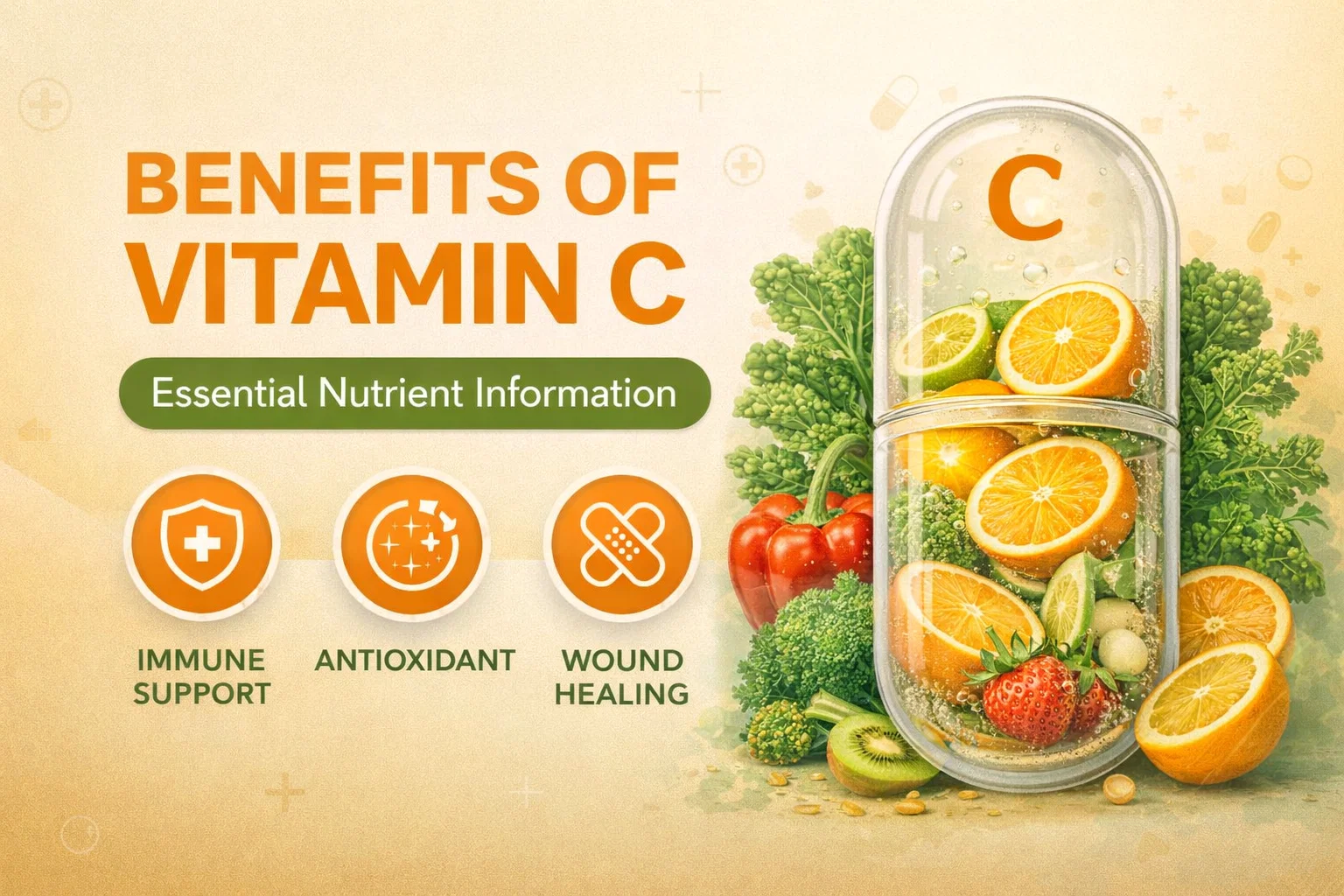
While most of us know it as an immune supporter, vitamin C, also known as ascorbic acid, is a multi-tasking antioxidant that participates in hundreds of cellular processes. Its primary claim to fame is its role in the synthesis of collagen. Collagen is the most abundant protein in the body, acting as the glue that holds our skin, joints, tendons, and blood vessels together. Without adequate vitamin C, the body simply cannot produce enough collagen to maintain structural integrity, which is why a deficiency often manifests as skin issues or joint discomfort.
Protecting Your Cells from Oxidative Stress
Beyond structural support, vitamin C is a premier antioxidant. Every day, our cells face damage from free radicals, which are unstable molecules produced by environmental pollutants, UV radiation, and even natural metabolic processes. By neutralizing these free radicals, vitamin C helps protect our DNA and proteins from damage. This protective quality is vital for longevity and serves as a primary defense mechanism against the premature aging of our internal systems.
Enhancing Nutrient Absorption
Another fascinating and often overlooked function of vitamin C is its relationship with iron. Iron from plant-based foods, known as non-heme iron, is notoriously difficult for the human body to absorb on its own. However, when you consume vitamin C alongside plant-based iron sources like lentils, spinach, or beans, it significantly increases the bioavailability of that iron. This simple synergy is an essential tip for anyone following a plant-forward or vegan lifestyle to ensure they are maintaining healthy energy levels.
Best Natural Food Sources for Maximum Nutrition
When it comes to hitting your daily targets, the produce aisle is your best friend. While oranges are the most famous source, they are actually not the highest-ranking food when it comes to vitamin C density. Diversifying your plate is the best way to ensure you are getting a full spectrum of phytonutrients alongside your vitamins.
The Power of Peppers and Berries
Red bell peppers are true superstars in the world of nutrition. Just one medium-sized red pepper contains significantly more vitamin C than a large orange. Strawberries and kiwi are also excellent options that provide a sweet way to meet your needs. These fruits are packed with fiber and enzymes that support digestion while delivering a concentrated dose of ascorbic acid.
Leafy Greens and Cruciferous Vegetables
Broccoli, kale, and other leafy greens are nutritional heavyweights that offer a savory way to boost your intake. Beyond vitamin C, these vegetables provide vitamin K, folate, and calcium. Incorporating a variety of greens into your daily meals ensures that you are supporting your immune system while also taking care of bone health and cellular repair.
Understanding Recommended Daily Intake (RDA)
While the body is efficient at using what it needs, there are specific guidelines to follow to ensure you are not falling short. For adult men, the recommended daily intake is approximately 90 mg per day, while women generally need about 75 mg per day. However, these numbers are considered the minimum to prevent deficiency rather than the maximum for optimal health.
Special Considerations for Specific Lifestyles
It is important to note that certain lifestyle factors can deplete vitamin C levels more quickly. For instance, individuals who smoke require significantly more vitamin C, typically an additional 35 mg per day. This is because smoking increases oxidative stress within the body, causing the system to use up its antioxidant stores at a faster rate. Similarly, children have varying needs based on their age and growth stages, making a colorful diet essential for their developing immune systems.
Absorption and Stability: Getting the Most Out of Your Food
One of the biggest challenges with vitamin C is its fragility. It is a water-soluble vitamin that is highly sensitive to heat, light, and air. This means that the way you store and cook your food directly impacts how much nutrition actually makes it to your cells. If you have ever wondered why fresh juice tastes different than bottled, it is often due to the rapid oxidation of the vitamins inside.
Gentle Cooking Methods
To preserve the vitamin C in your vegetables, avoid boiling them for long periods. Much of the vitamin content will simply leach into the water and be tossed down the drain. Instead, opt for gentle cooking methods such as steaming or a quick sauté. These methods use less water and shorter heat exposure, keeping the nutrients locked inside the fiber of the food. Of course, eating fruits and vegetables raw is the absolute best way to ensure 100 percent of the vitamin C remains intact.
Freshness Matters
Vitamin C begins to degrade the moment a fruit or vegetable is harvested. Choosing local, seasonal produce can make a significant difference in nutrient density. When food sits in transport or on grocery store shelves for weeks, the vitamin levels slowly decline. If you cannot find fresh options, frozen vegetables are a fantastic alternative because they are usually flash-frozen at the peak of ripeness, locking in those delicate vitamins.
The Reality of Vitamin C Deficiency
In modern society, severe vitamin C deficiency, known as scurvy, is extremely rare. Scurvy was historically a major issue for sailors who went months without fresh produce, leading to gum disease and poor wound healing. Today, most people with access to a variety of fresh foods meet their basic requirements easily. However, many individuals may still fall into a sub-clinical deficiency, where they have enough to avoid major illness but not enough to feel their absolute best.
Identifying Low Levels
Common signs that you might need to up your intake include slow-healing cuts, easy bruising, or dry, scaly skin. Since vitamin C is so vital for collagen and blood vessel health, these external signs are often the first clues that the body is struggling to maintain its internal structures. Maintaining a consistent intake rather than megadosing once in a while is the key to keeping these systems running smoothly.
The Myth of the Miracle Cure
It is a common belief that taking massive doses of vitamin C can prevent the common cold entirely. While vitamin C is essential for a healthy immune response, scientific studies have shown that high doses do not necessarily stop you from getting sick. Instead, consistent vitamin C intake may slightly reduce the duration and severity of a cold once you have it. It is better to think of it as a long-term insurance policy for your health rather than an emergency fix.
The Benefits of Whole Food Sources
While supplements are widely available, getting your vitamins from whole foods is generally considered superior. Whole fruits and vegetables contain a complex matrix of fiber, bioflavonoids, and other micronutrients that work synergistically with vitamin C. This “food package” helps the body recognize and utilize the nutrients more effectively than a synthetic isolated pill might on its own.
Easy Ways to Incorporate More Vitamin C Daily
Boosting your intake doesn’t have to be complicated. Small, intentional changes to your daily routine can lead to significant improvements in your overall nutrient profile. Start by adding a squeeze of fresh lemon to your morning water. Not only is this hydrating, but it provides a gentle wake-up call for your digestive system and a small head start on your daily vitamin C goal.
Snack Smarter
Instead of reaching for processed snacks, keep sliced bell peppers or a bowl of strawberries ready in the fridge. Replacing one processed snack a day with a high-vitamin C fruit or vegetable can drastically increase your antioxidant intake over the course of a week. For lunch and dinner, try to include at least one raw element, like a side salad or some fresh garnishes, to ensure you are getting heat-sensitive nutrients.
Creative Culinary Additions
Think beyond the basics. Add chopped parsley or kale to your soups right before serving so they don’t overcook. Toss some kiwi or sliced citrus into your morning yogurt or oatmeal. By viewing vitamin C as a vibrant addition to your meals rather than a chore, you create a sustainable habit that supports your body naturally.
Conclusion: A Foundation for Vibrant Health
In the end, vitamin C is far more than just a seasonal supplement; it is a fundamental building block of a healthy, resilient body. From supporting the very structure of our skin and joints to acting as a powerful shield against environmental damage, its benefits are vast and essential. By prioritizing fresh, whole-food sources and mindful cooking techniques, you can easily harness the power of this nutrient to feel more energized and protected.
Health is built on the small, consistent choices we make every day. Choosing a variety of colorful produce, respecting the delicate nature of vitamins, and understanding your body’s unique needs will set you on a path toward long-term vitality. So, the next time you see a bright red pepper or a basket of fresh berries, remember that you are looking at more than just food; you are looking at the fuel your body needs to thrive. Start small, eat fresh, and enjoy the natural benefits that a vitamin-rich lifestyle has to offer.