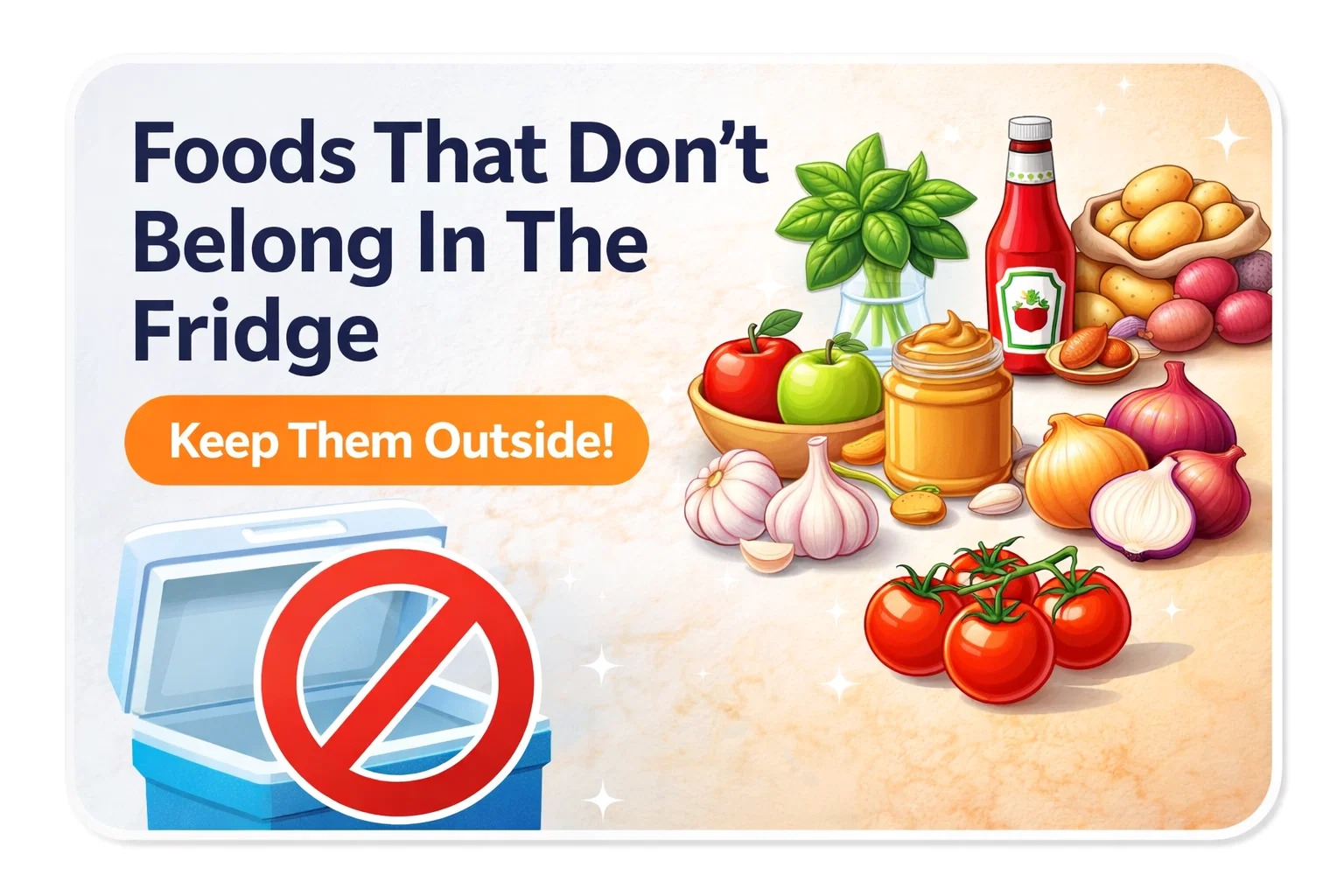
11 Foods You Should Never Refrigerate to Maximize Freshness and Flavor
We have all been there. You come home from a grocery run, arms heavy with bags, and your first instinct is to shove everything into the refrigerator to keep it fresh. It feels like the safest, most logical thing to do. However, you might actually be doing more harm than good to your favorite ingredients. Believe it or not, the cold, dry environment of a fridge is a silent killer for the flavor and texture of many common pantry staples. If you have ever bitten into a mealy tomato or wondered why your basil turned black overnight, you are likely a victim of improper refrigeration.
Understanding the science of food storage is a total game changer for your kitchen. Not only does it help your groceries last longer, but it also ensures that the meals you cook are as vibrant and delicious as possible. By learning which items thrive at room temperature, you can free up valuable shelf space and stop throwing money in the trash due to premature spoilage. Let’s dive into the ultimate guide to the foods that should stay out of the cold and why your countertop is often the best place for them.
The Science of Cold Damage
Before we break down the specific list, it is important to understand why the refrigerator is not a universal solution. For many fruits and vegetables, refrigeration triggers a process called chilling injury. This happens when low temperatures break down the cell membranes of the plant. The result is often a loss of flavor, a change in texture, or even accelerated rotting. For example, the cold can turn starches into sugars faster than intended or stop the ripening process entirely, leaving you with flavorless produce that never reaches its full potential.
Texture and Flavor Degradation
Think of a tomato as a prime example. In the fridge, the chemical compounds that give a tomato its “tomato-y” scent and taste begin to break down. The cold also causes the water inside the cells to expand and damage the cell walls, leading to that unappealing, mealy texture. Similarly, for items like potatoes, the cold converts their complex starches into sugar, which results in a gritty texture and an oddly sweet taste when cooked. By keeping these items on the counter, you allow them to maintain their natural integrity.
1. Tomatoes: Keep the Juice and Joy
If there is one rule you should never break, it is this: keep your tomatoes out of the fridge. Tomatoes are sun loving plants, and they hate the cold. When you refrigerate them, you effectively kill the flavor. A tomato stored at room temperature continues to develop its sugars and acids, reaching its peak ripeness on your counter.
For the best results, store your tomatoes stem side down on a flat surface. This prevents moisture from escaping and bacteria from entering the stem scar. If you have tomatoes that are already overripe, that is the only time you should consider the fridge, and even then, try to use them for a sauce rather than eating them raw.
2. Fresh Basil: The Sensitive Herb
Basil is incredibly delicate. Unlike hardier herbs like parsley or cilantro, basil reacts poorly to the cold. In the refrigerator, basil leaves will wilt and turn black within twenty four hours. This is because basil is a tropical plant that is highly sensitive to temperatures below 40 degrees Fahrenheit.
How to Store Basil Properly
- The Bouquet Method: Treat your basil like a bunch of flowers. Trim the ends of the stems and place them in a glass or jar with about an inch of water.
- Airflow is Key: Leave the jar on your counter in a spot with indirect sunlight. You can loosely cover the top with a plastic bag to create a mini greenhouse effect, but ensure there is still some air circulation.
- Change the Water: Swap out the water every couple of days to keep the stems fresh and prevent slime buildup.
3. Potatoes: Guarding the Starch
Potatoes need a cool, dark, and dry place, but the refrigerator is much too cold. As mentioned earlier, the cold temperature turns potato starch into sugar. This not only ruins the flavor but can also lead to a dangerous chemical reaction when you fry or roast them. High sugar content in potatoes can lead to the formation of acrylamide, a chemical that is not ideal for your health.
Instead, store your potatoes in a paper bag or a burlap sack in a pantry or a dark cupboard. Avoid plastic bags, as they trap moisture and cause the potatoes to rot or sprout. Also, keep them away from light to prevent “greening,” which is the development of chlorophyll and solanine, a bitter toxin.
4. Onions and Garlic: The Breathable Duo
Onions and garlic are staples in almost every savory dish, yet they are frequently stored incorrectly. These bulbs need plenty of air circulation to stay dry and firm. In the humid environment of a refrigerator, onions will become soft and moldy, while garlic will start to sprout and take on a rubbery consistency.
The Golden Rule of Alliums
Keep your onions and garlic in a mesh bag or an open basket in a well ventilated area. One crucial tip: never store onions and potatoes together. Onions emit ethylene gas and moisture that can cause potatoes to sprout and spoil much faster. Give them their own separate zones in your pantry for maximum longevity.
5. Apples: Crispness at Room Temp
While many people enjoy a cold apple, they actually don’t need to be in the fridge if you plan on eating them within a week or two. Apples stay perfectly crisp and delicious at room temperature. Plus, they look beautiful in a fruit bowl on your dining table. Storing them out in the open also makes them a more accessible, healthy snack for the family.
If you have a large harvest and need them to last for a month or more, then the crisper drawer is an option. However, keep in mind that apples also release ethylene gas, which can cause other vegetables nearby to ripen and rot prematurely. If you do put them in the fridge, keep them in their own drawer.
6. Honey: The Immortal Pantry Staple
Honey is one of the few foods that truly never expires if sealed properly. It is naturally acidic and low in moisture, making it an inhospitable environment for bacteria. When you put honey in the fridge, you aren’t preserving it; you are just making it difficult to use. Cold temperatures cause honey to crystallize and turn into a solid, grainy mass.
Keep your honey in a cool, dry place out of direct sunlight. If your honey does crystallize over time, simply place the jar in a bowl of warm water to return it to its liquid state. There is absolutely no need to ever give honey a spot in your refrigerator.
7. Bread: Avoiding the Staling Effect
It seems logical that the fridge would stop bread from molding, but it actually accelerates the staling process. This happens through a process called retrogradation, where the starch molecules crystallize in the cold, making the bread tough and dry much faster than it would at room temperature.
If you have a loaf you can’t finish in a few days, keep it in a bread box or a paper bag on the counter. For long term storage, the freezer is your best friend. Sliced bread freezes beautifully and can be popped straight into the toaster for a “fresh out of the oven” taste.
8. Avocados: Managing the Ripening Window
Avocados are notorious for being rock hard one minute and overripe the next. The refrigerator acts as a “pause button” for avocados. If you buy a hard, green avocado, putting it in the fridge will ensure it stays hard forever. It needs the warmth of the counter to ripen into that creamy, buttery texture we love.
Once an avocado reaches its peak ripeness, you can move it to the fridge to keep it at that perfect stage for an extra day or two. But until it gives slightly to gentle pressure, keep it out in the open. To speed things up, tuck it into a paper bag with a banana.
9. Ketchup and Hot Sauce: The Acid Advantage
This is a debated topic in many households, but scientifically speaking, most ketchups and hot sauces do not need refrigeration. Ketchup is high in vinegar, sugar, and salt, which act as natural preservatives. Similarly, hot sauces are usually vinegar based. They are perfectly shelf stable for months.
Restaurants keep ketchup on the table all day for a reason. While refrigeration can help maintain the vibrant red color of ketchup over a very long period, it isn’t a safety requirement. If you prefer your condiments at room temperature so they don’t cool down your hot fries, feel free to keep them in the pantry.
10. Coffee: Protecting the Aroma
Coffee beans are porous, meaning they act like a sponge for smells and moisture. If you store your coffee in the fridge or freezer, the beans will absorb the odors of the onions or leftover fish sitting nearby. Furthermore, the fluctuation in temperature every time you take the bag out causes condensation, which ruins the delicate oils that give coffee its flavor.
The best way to store coffee is in an airtight container in a cool, dark place. This preserves the freshness and ensures that your morning cup tastes like coffee, not the rest of your fridge.
Conclusion: A Smarter Way to Kitchen
Adjusting your food storage habits is one of the simplest ways to elevate your cooking and reduce waste. By respecting the natural requirements of your produce and pantry items, you unlock better flavors, better textures, and a more organized kitchen. It might feel strange at first to leave the ketchup or the garlic out on the counter, but your taste buds will thank you.
Take a look at your refrigerator today. Is it crowded with items that would be happier in a bowl or a basket? Moving these eleven foods out of the cold will give your fridge more breathing room and ensure that every ingredient you use is at its absolute best. Happy cooking, and enjoy the fresh, vibrant flavors of a perfectly managed pantry!