12 Best and Worst Foods for High Blood Pressure Hypertension Diet Guide
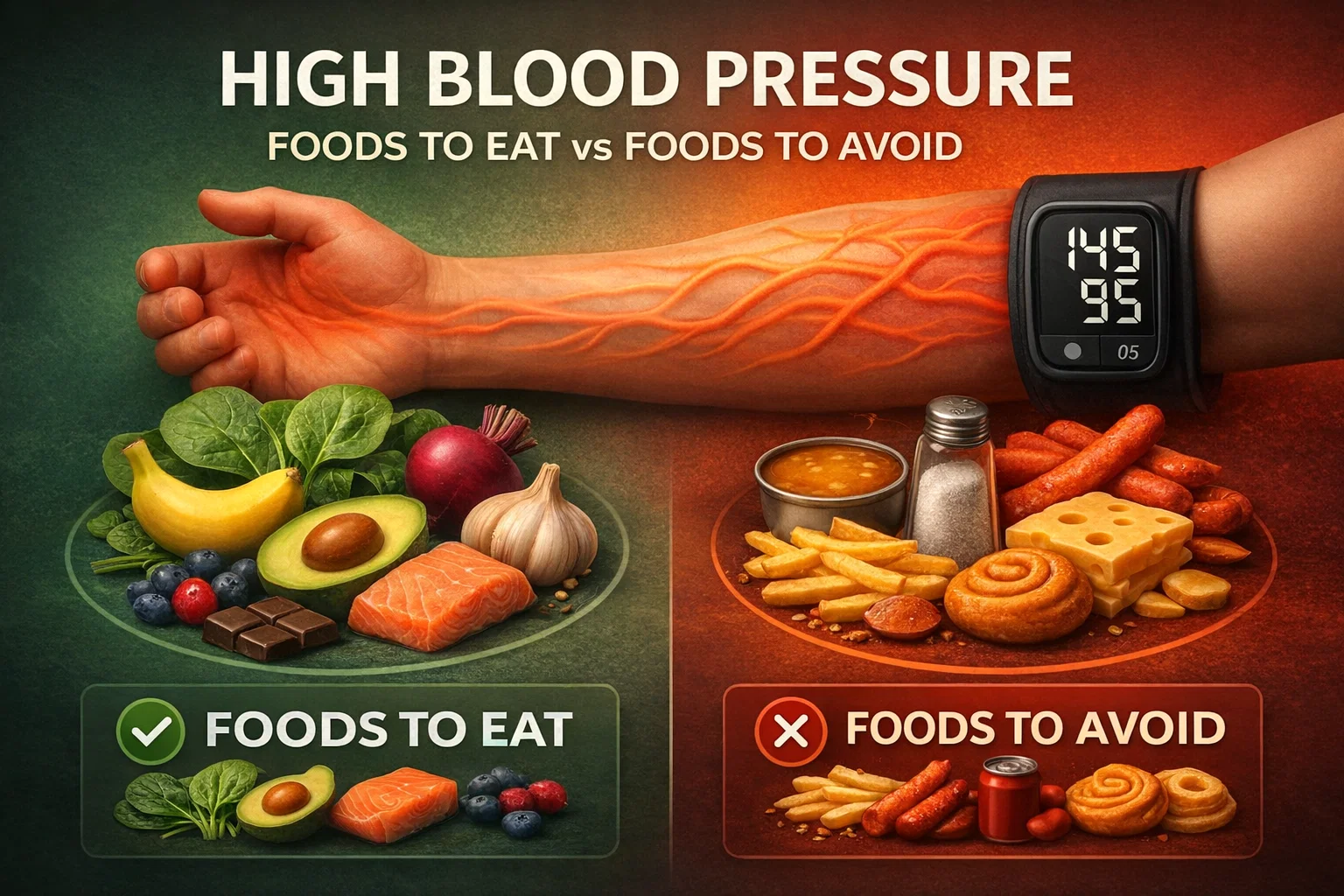
Understanding the relationship between what we eat and how our cardiovascular system functions is one of the most empowering steps you can take for your long term wellness. High blood pressure, often referred to as the silent killer, affects millions of people globally, yet it is a condition that can be significantly influenced by daily dietary choices. The image provided serves as a fantastic visual roadmap, illustrating the stark contrast between foods that support arterial health and those that may inadvertently cause strain. By focusing on nutrient dense, whole foods, you can create a natural defense system for your heart while enjoying vibrant, delicious meals every single day.
The Science of Support: Why Certain Foods Lower Blood Pressure
When we look at the list of foods that help, we see a common theme: they are rich in specific minerals and compounds that interact directly with our blood vessels. For instance, leafy greens and beets are high in naturally occurring nitrates. Once consumed, these nitrates are converted into nitric oxide, a molecule that signals the muscles in your blood vessels to relax. This process, known as vasodilation, allows blood to flow more freely and reduces the pressure against your artery walls. It is a beautiful example of how nature provides exactly what the body needs to maintain balance.
Beyond nitrates, the role of electrolytes cannot be overstated. Potassium, found abundantly in bananas and avocados, acts as a natural foil to sodium. While sodium encourages the body to retain water, which increases blood volume and pressure, potassium helps the kidneys flush out excess salt and eases tension in the vascular walls. Integrating these items into your routine is not just about following a diet; it is about providing your body with the chemical tools it needs to regulate itself efficiently.
Leafy Greens and the Power of Magnesium
Spinach, kale, and swiss chard are nutritional powerhouses that offer more than just fiber. They are loaded with magnesium and calcium, both of which are critical for heart rhythm and vascular tone. Adding a handful of greens to your morning smoothie or a large salad to your lunch is an easy way to ensure you are getting these essential minerals in their most bioavailable form.
Beets: The Natural Performance Enhancer
Beets have gained a reputation in the fitness world for their ability to improve athletic performance, but their benefits for hypertension are even more impressive. Whether roasted, juiced, or added to a salad, the nitrate density in beets provides a significant boost to circulation. Consistent consumption has been shown in various studies to lead to a measurable drop in blood pressure readings within just a few hours.
The Hidden Dangers: Identifying Foods That Harm
On the flip side of the coin, our modern food environment is filled with “hidden” triggers that can send blood pressure soaring. The difficulty often lies in the fact that these triggers are not always obvious. Processed meats, canned soups, and even certain cheeses are frequently loaded with sodium to enhance shelf life and flavor. When we consume high amounts of salt, our bodies hold onto extra fluid to dilute it, which puts an immediate and heavy burden on the heart and kidneys.
It is also important to look beyond just salt. The image highlights soda and pastries, which point toward the role of refined sugars and trans fats in cardiovascular health. High sugar intake can lead to insulin resistance and inflammation, both of which damage the lining of the blood vessels over time. When the vessel walls become stiff or inflamed, they cannot dilate properly, leading to chronically elevated pressure levels.
The Sodium Trap in Processed Foods
Many people believe that if they do not use the salt shaker at the table, they are safe. However, the majority of sodium intake in the average diet comes from packaged and restaurant foods. Instant noodles and canned soups are classic examples. These items often contain more than half of the recommended daily limit of sodium in a single serving. Transitioning to homemade versions using fresh herbs and spices can drastically reduce your intake without sacrificing the warmth and comfort of a good bowl of soup.
Fried Foods and Saturated Fats
Fried chicken and greasy snacks contribute to hypertension through a combination of high salt content and unhealthy fats. These fats can contribute to plaque buildup in the arteries, a condition known as atherosclerosis. As the pathways for blood become narrower, the heart must pump harder to move blood through the body, which naturally raises blood pressure. Choosing baked or grilled alternatives is a simple swap that yields massive health dividends.
Simple Swaps for a Heart Healthy Kitchen
Transitioning to a heart healthy lifestyle does not require an overnight overhaul of your entire pantry. Instead, focus on simple, sustainable swaps that build momentum. If you love the crunch of fried snacks, try making kale chips or roasting chickpeas with garlic and paprika. If you have a sweet tooth, reaching for dark chocolate with at least seventy percent cocoa solids provides antioxidants and flavanols that support blood flow, offering a much better alternative to sugary pastries.
- Swap Canned for Fresh or Frozen: When buying vegetables or beans, choose fresh or “no salt added” frozen versions to avoid the sodium used in canning.
- Use Herbs Instead of Salt: Experiment with lemon juice, garlic, onion powder, and fresh basil to flavor your food. You will find that you miss the salt much less when your food is bursting with herbal notes.
- Harness Healthy Fats: Replace butter or margarine with avocado or olive oil. These fats support the “good” cholesterol and help keep your arteries flexible.
The Importance of Garlic and Salmon
Garlic has been used for centuries as a medicinal herb, and modern science backs up its reputation as a vasodilator. It contains allicin, a compound that helps relax blood vessels. Similarly, fatty fish like salmon provide Omega 3 fatty acids, which are famous for reducing inflammation and lowering triglycerides. Including these in your weekly meal plan creates a powerful synergy for your heart.
Building a Sustainable Routine
Consistency is the most important factor when managing blood pressure through nutrition. It is not about being perfect; it is about making the “help” foods the stars of your plate most of the time. Start by picking two items from the green list in the image and finding ways to incorporate them into your meals this week. Maybe it is adding berries to your oatmeal or using avocado as a spread on your sandwich instead of mayo.
Monitoring your progress can also be incredibly motivating. Keeping a food diary alongside a blood pressure log can help you identify which specific changes are having the biggest impact on your numbers. Over time, you will likely find that you feel more energetic, less bloated, and more in tune with your body’s needs.
Conclusion: Empowering Your Cardiovascular Future
Your heart works tirelessly for you every second of every day, and the food you eat is the fuel that keeps it going. By choosing to fill your diet with leafy greens, vibrant beets, potassium rich fruits, and healthy fats, you are actively participating in your own healthcare. Reducing the intake of processed salts, hidden sugars, and unhealthy fats takes the pressure off your system and allows your body to function at its peak.
Every meal is an opportunity to nourish your blood vessels and support your circulation. While the “harm” foods are often convenient, the long term benefits of choosing fresh, whole ingredients far outweigh the temporary ease of processed goods. Embrace the variety of flavors that nature provides, and take pride in knowing that you are building a foundation for a long, healthy, and vibrant life. Start small, stay consistent, and let your kitchen be your first line of defense for a healthy heart.