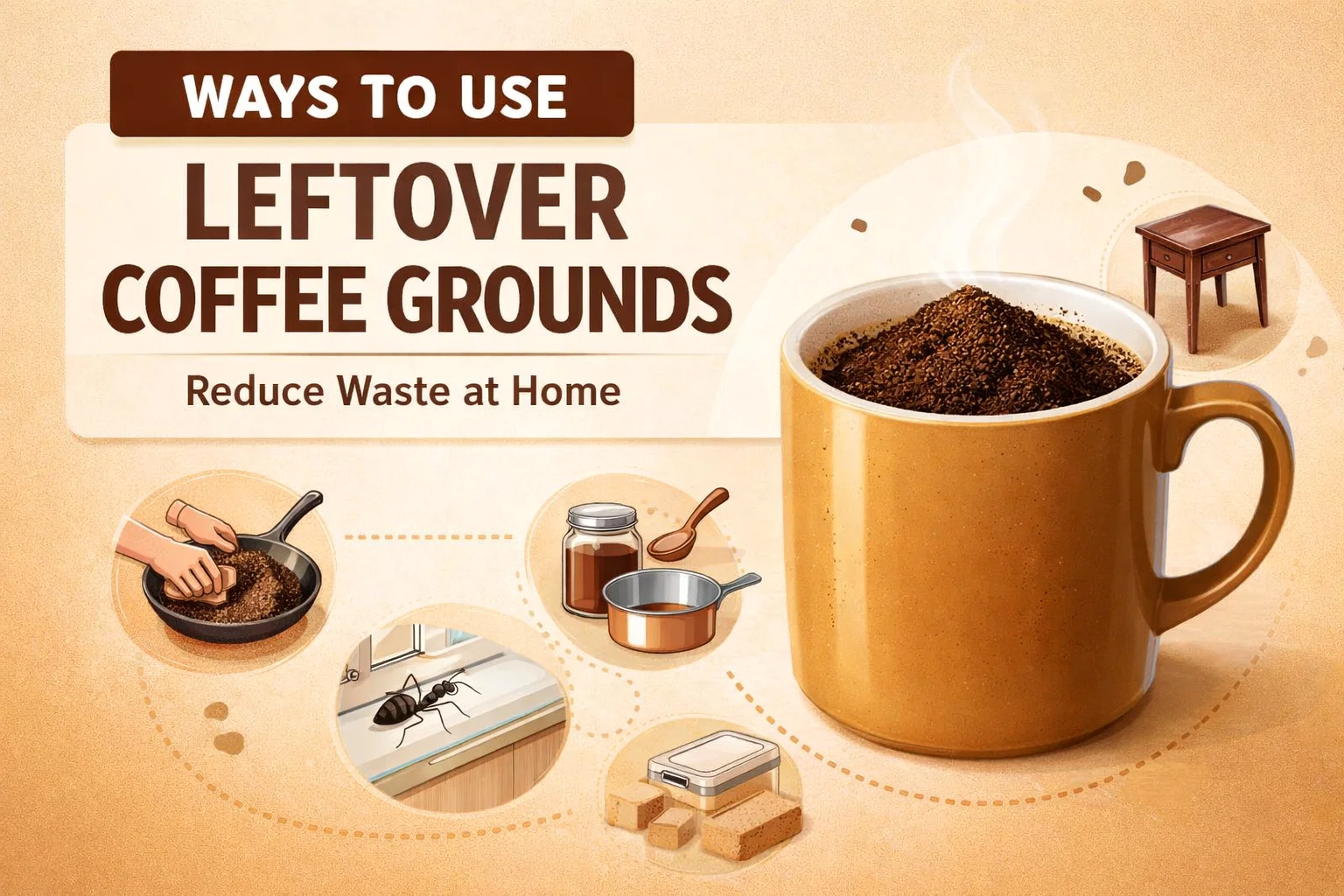
12 Brilliant Ways to Reuse Leftover Coffee Grounds Eco-Friendly Home Garden Hacks
Walking into a kitchen filled with the rich, bold aroma of freshly brewed coffee is one of life’s greatest simple pleasures. For many of us, that morning cup is a non-negotiable ritual that jumpstarts the day. But once the pot is empty and the caffeine has kicked in, most of those sodden grounds end up exactly in the same place: the trash can. It is a quiet cycle of waste that happens in millions of homes every single morning. However, if we look back at the wisdom of previous generations, like the legendary Grandma D, we find that these dark, gritty remains are far from useless. In fact, leftover coffee grounds are a goldmine of acidity, nitrogen, and abrasive texture that can transform your home maintenance, gardening, and even your self-care routine.
The philosophy of waste not, want not is making a massive comeback as we all look for ways to live more sustainably and reduce our reliance on harsh, store-bought chemicals. Repurposing your coffee grounds is one of the easiest ways to start a zero-waste journey without spending a single extra penny. From neutralizing stubborn odors in the fridge to keeping pesky ants away from your windowsills, the versatility of this kitchen byproduct is truly staggering. Let us dive deep into the many ways you can channel your inner Grandma D and give those coffee grounds a second life that is just as productive as their first.
The Deodorizing Power of Dried Grounds
One of the most remarkable characteristics of coffee is its ability to absorb and neutralize odors. This is due to the nitrogen found in the caffeine, which helps eliminate sulfur gas from the air when it is combined with carbon. Instead of reaching for a box of baking soda or a synthetic air freshener, you can use dried coffee grounds to keep your home smelling fresh. The key here is to ensure the grounds are completely dry before you use them for deodorizing, as damp grounds can eventually grow mold if left in a closed space.
Freshening Up the Refrigerator
Grandma D knew that a small jar of dried grounds tucked into the back of the fridge could work wonders. Unlike some commercial deodorizers that simply mask smells with a heavy floral scent, coffee actually pulls the odors out of the air. It is particularly effective against the lingering scent of pungent leftovers like onions or seafood. Simply fill a small, open-top mason jar with your dried remains and let it sit. Every few weeks, you can toss those grounds into your compost pile and replace them with a fresh batch from your morning brew.
Neutralizing Odors in the Diaper Pail
For parents, the diaper pail is often the most dreaded corner of the nursery. Even with high-tech sealing systems, odors have a way of escaping. Placing a small sachet of dried coffee grounds at the bottom of the pail can act as a natural buffer. It helps to neutralize the sharp ammonia smells and keeps the room feeling much cleaner. It is a simple, non-toxic solution that provides peace of mind in a space where you want to avoid heavy chemicals.
A Natural Solution for Cleaning and Polishing
The texture of coffee grounds makes them a fantastic natural abrasive. They are gritty enough to scrub away stuck-on food and grime, yet they are generally soft enough that they will not leave deep scratches on most hard surfaces. This makes them a perfect alternative to steel wool or abrasive chemical cleansers that can irritate the skin and lungs.
Scrubbing Greasy Pans Without Scratching
We have all dealt with that one cast iron skillet or stainless steel pan that seems to have a permanent layer of burnt-on grease. Instead of soaking it for hours, try using a handful of coffee grounds. The acidity of the coffee helps break down the grease, while the grit acts like a gentle sandpaper to lift away the residue. Just use a sponge or a soft cloth to rub the grounds over the surface and watch as the shine returns to your cookware. This method is especially useful for those who prefer to keep their kitchen routine as natural as possible.
Polishing Pots and Hidden Furniture Scuffs
Beyond the kitchen sink, coffee grounds can be used to maintain the beauty of your wooden furniture. If you have dark wood tables or chairs that have picked up unsightly scuffs or scratches over the years, coffee can act as a natural stain. By mixing a bit of damp grounds into a paste with some warm water or mineral oil, you can buff the mixture into the scratch. The dark pigments in the coffee will seep into the wood, effectively hiding the mark and blending it with the surrounding finish. It is a quick fix that saves you a trip to the hardware store for specialized wood markers.
Natural Pest Control for the Home and Garden
If you are a gardener or someone who struggles with seasonal pests, coffee grounds are about to become your best friend. Many insects find the strong scent and the acidic nature of coffee to be highly offensive. This allows you to create a natural barrier around your home without resorting to toxic pesticides that can harm beneficial pollinators or household pets.
Keeping Ants Away from Entryways
Ants are highly sensitive to scent trails, which is how they coordinate their invasions of our kitchens. By sprinkling a line of dried coffee grounds across windowsills or near doorway cracks, you can disrupt these trails. The ants generally avoid crossing the coffee barrier because of the intense aroma and the texture. It is a humane and eco-friendly way to tell the ants that your home is off-limits. Unlike chemical sprays, you do not have to worry about your cat or dog sniffing around the areas where you have applied this natural deterrent.
Boosting Your Soil Health
While some bugs hate coffee, your plants often love it. Coffee grounds are rich in nitrogen, which is a vital nutrient for leafy green growth. They also contain small amounts of potassium and phosphorus, making them a balanced addition to your garden soil. You can work them directly into the dirt or add them to your compost bin to help speed up the decomposition process. Some gardeners even find that a ring of coffee grounds around the base of plants helps deter slugs and snails, as the abrasive texture is uncomfortable for their soft bodies to crawl over.
Self-Care and Crafting with Coffee
The benefits of coffee grounds extend beyond utility and into the realm of personal wellness and creativity. The same properties that make coffee great for cleaning the kitchen make it an excellent ingredient for homemade beauty products and family-friendly crafts.
A Natural Exfoliating Body Scrub
One of Grandma D’s favorite secrets was using coffee as a beauty treatment. The coarse texture of the grounds makes for an incredible body scrub that sloughs away dead skin cells and leaves your skin feeling incredibly smooth. Furthermore, the caffeine in the grounds can temporarily tighten the skin and improve circulation, which is why coffee is such a popular ingredient in high-end cellulite treatments. To make your own, simply mix used grounds with a bit of coconut oil or olive oil. Rub it on in the shower, rinse off, and enjoy the glow. It is much more affordable than spa products and smells absolutely divine.
Deodorizing Hands After Cooking
If you love cooking with garlic and onions but hate the way the scent lingers on your fingers for days, keep a small bowl of coffee grounds near your sink. After you finish chopping, rub a handful of grounds between your palms like soap. The coffee will lift the pungent oils off your skin and replace them with a neutral, pleasant aroma. It is a simple trick that every home cook should have in their repertoire.
Creative Crafts: Tinting Playdough and Soap
For those with children or a love for DIY hobbies, coffee grounds offer a wonderful natural pigment. You can mix them into homemade playdough to create a rich, earthy brown color that is completely non-toxic and smells like a cozy cafe. Similarly, if you enjoy making your own soap bars at home, adding a tablespoon of dried grounds provides both a beautiful speckled look and a touch of grit for exfoliation. It turns a standard bar of soap into a functional tool for gardeners or mechanics who need a little extra scrubbing power to get their hands clean.
The Sustainable Path Forward
Adopting these habits does more than just solve small household problems; it shifts our perspective on what we define as waste. When we stop seeing used coffee grounds as trash and start seeing them as a resource, we become more mindful of our consumption patterns as a whole. This is the essence of the waste not, want not mindset. It encourages us to be resourceful, creative, and respectful of the materials we bring into our lives.
Every time you choose to use coffee grounds to scrub a pan instead of a plastic-based scouring pad, or use them as a garden fertilizer instead of a synthetic chemical, you are making a positive impact. These small actions, when multiplied across thousands of households, lead to a significant reduction in landfill waste and environmental pollution. It is a testament to the idea that we do not need fancy gadgets or expensive products to maintain a clean and happy home; often, the best solutions are already sitting in our kitchen waiting to be discovered.
Conclusion: Honoring the Wisdom of the Past
Grandma D and her generation lived through times when resources were scarce and every item had to be used to its fullest potential. While we live in an age of convenience, we have much to learn from that resourceful spirit. By integrating these twelve coffee ground hacks into your daily life, you are not just saving money or being eco-friendly; you are honoring a tradition of mindfulness and common sense.
Next time you finish brewing your favorite morning blend, take a moment before you reach for the trash bin. Think about your garden, your tired skin, or that scuffed coffee table in the living room. Those grounds still have plenty of work to do. Embrace the versatility of the humble coffee bean and start experimenting with these natural remedies today. Your home, your wallet, and the planet will certainly thank you for it. Save these ideas for later and share them with a friend who loves their morning cup just as much as you do.