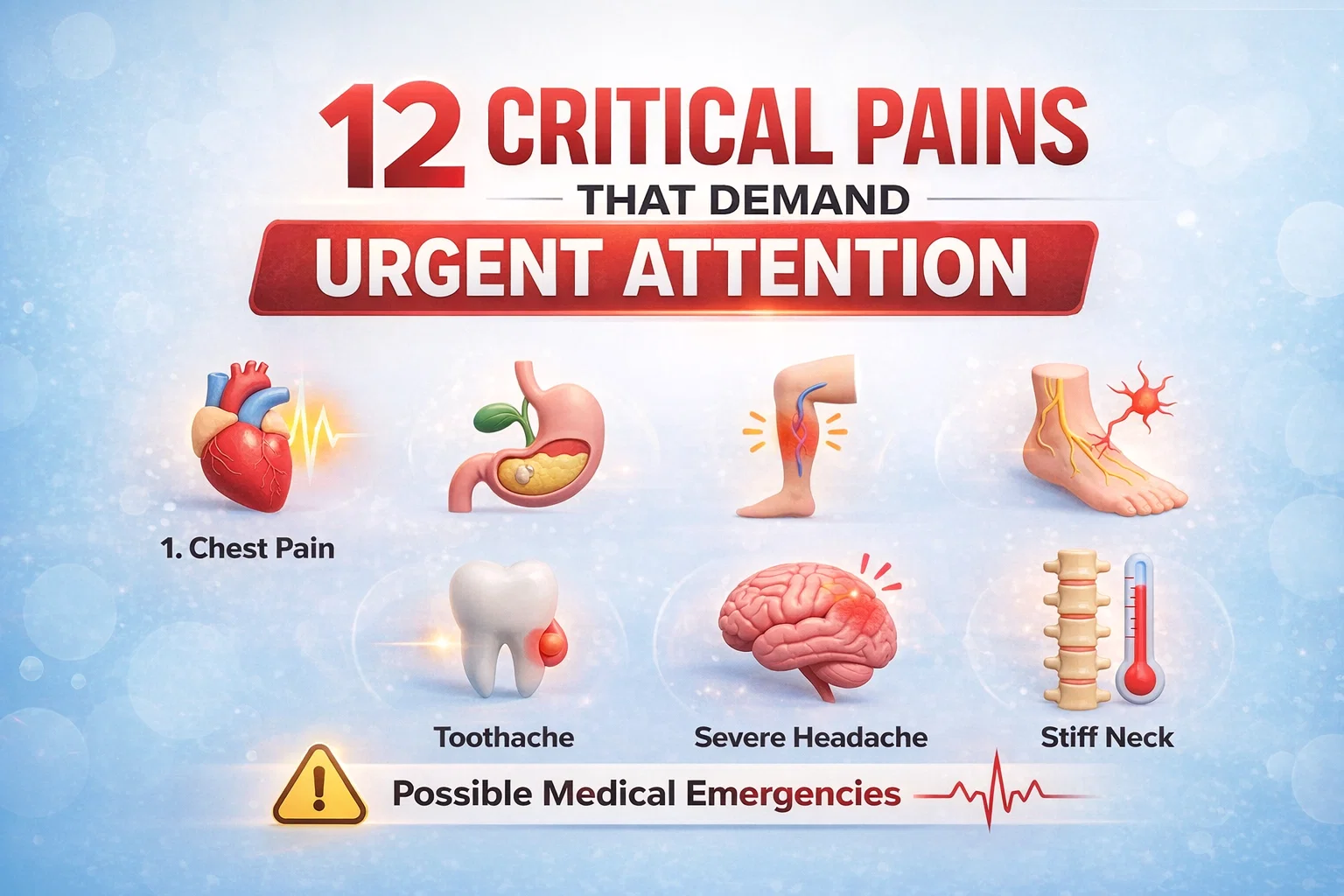
12 Critical Pains You Should Never Ignore Health Warning Signs Urgent Medical Symptoms
Your body is a complex, highly intelligent system that communicates through a variety of signals. While some aches and pains are just a part of a busy life, others act as critical red flags that demand your immediate attention. Understanding when a symptom is a minor inconvenience and when it is a warning from your internal alarm system can quite literally save your life. In this comprehensive guide, we are diving deep into the twelve critical pains that you should never ignore, helping you bridge the gap between wellness and medical necessity.
The Connection Between Body Awareness and Long Term Health
Living a healthy life is not just about the food you eat or the workouts you complete; it is about developing a deep sense of body awareness. Often, we are taught to push through the pain or wait for it to go away on its own. While resilience is a great trait, it can be dangerous when applied to specific types of physical distress. By learning to identify these key symptoms, you empower yourself to take charge of your health before a situation becomes a crisis.
Why Listening to Your Body Matters
The human body rarely fails without warning. Most major health events are preceded by subtle or sharp signals that something is wrong. When you pay attention to these changes, you are practicing a proactive form of self-care. It is about moving from a reactive mindset to one where you are in tune with your physical state daily. This awareness is the foundation of a long, vibrant life.
1. Chest Pain: More Than Just a Heartbeat
Chest pain is perhaps the most well known red flag, yet many people still brush it off as simple heartburn or muscle strain. While it can be benign, it is frequently the primary indicator of a heart attack. If you feel a heavy pressure, squeezing, or a dull ache in your chest, you need to take it seriously.
Pay close attention to where the pain travels. If the discomfort starts in your chest and radiates down your left arm, up into your jaw, or through to your back, it is time to seek emergency help. Other symptoms to watch for alongside chest pain include shortness of breath, sudden cold sweats, and nausea. When it comes to the heart, it is always better to be safe than sorry.
2. Sharp Abdominal Pain: Navigating the Core
The abdomen houses most of your vital organs, so when sharp pain strikes, it is often a sign that something is blocked, inflamed, or ruptured. Unlike a general stomach ache, this type of pain is usually localized and intense. It may feel like a stabbing sensation that makes it difficult to stand up straight.
- Appendicitis: Typically starts near the belly button and moves to the lower right side.
- Gallstones: Usually felt in the upper right abdomen, often after a heavy meal.
- Perforated Ulcer: A sudden, severe pain that can feel like an internal tear.
If your abdominal pain is accompanied by a fever, vomiting, or a rigid, tender stomach, you should consult a healthcare professional immediately to rule out these serious conditions.
3. Calf Pain: The Hidden Danger of DVT
Pain in the lower leg is often dismissed as a cramp or a pulled muscle, especially after exercise. However, a persistent pain in the calf can be a sign of Deep Vein Thrombosis (DVT), which is a blood clot in a deep vein. This is particularly dangerous because the clot can break loose and travel to the lungs, causing a pulmonary embolism.
Check for physical changes in the area. Is the calf swollen? Is the skin red or discolored? Does the area feel warm to the touch when compared to the other leg? If you answer yes to these, avoid massaging the area and head to an urgent care facility. Quick diagnosis is key to preventing the clot from moving through your system.
4. Burning Legs and Feet: Understanding Neuropathy
A burning sensation in your lower extremities is not just uncomfortable; it is a sign that your nerves or your circulatory system are struggling. This sensation often feels like “pins and needles” or a hot, tingling heat that does not go away with rest. This is frequently a symptom of peripheral neuropathy, which is common in individuals with undiagnosed or poorly managed diabetes.
Beyond nerve issues, burning feet can indicate a severe vitamin deficiency or poor circulation. If left untreated, nerve damage can become permanent, leading to a loss of sensation and increased risk of injury. Addressing the root cause early can often reverse or manage these symptoms effectively.
5. Toothaches and the Risk of Infection
It might seem strange to see a toothache on a list of critical pains, but oral health is deeply connected to your overall systemic health. A severe, throbbing toothache often points to an abscess or a serious infection. Because the roots of your teeth are so close to your jawbone and sinuses, an untreated infection can spread rapidly.
In extreme cases, dental infections have been known to spread to the jaw or even the brain. If you notice swelling in your gums, a persistent bad taste, or a fever along with your tooth pain, do not wait for your regular dental cleaning. Urgent intervention is necessary to clear the infection and protect your surrounding tissues.
6. Sudden Shoulder Pain: Referred Signals
Sometimes, where you feel the pain is not where the problem actually is. This is known as referred pain. Sudden, unexplained shoulder pain that did not come from an injury can be a signal from your internal organs. For instance, problems with the gallbladder or liver can send pain signals up to the right shoulder, while issues with the lungs or heart can affect the left shoulder.
If you experience shoulder pain that feels deep and is accompanied by difficulty breathing or abdominal discomfort, consider it a signal that your organs are under stress. Tracking when the pain occurs can help doctors identify which organ is the culprit.
7. Severe Headaches: Not Your Average Tension
Most of us deal with the occasional headache from stress or dehydration. However, a “thunderclap headache” (one that reaches maximum intensity in seconds) or a headache that feels like the worst pain of your life is a major medical emergency. This can be a warning sign of a brain hemorrhage, an aneurysm, or a stroke.
Watch for neurological changes alongside the pain, such as blurred vision, confusion, or difficulty speaking. If the headache is different from anything you have experienced before, it warrants an immediate trip to the emergency room. Rapid treatment for brain related issues is vital for a full recovery.
8. The Duo of Stiff Neck and Fever
A stiff neck on its own might just be from sleeping in a bad position. However, when you combine a stiff neck with a high fever, it becomes a classic symptom of meningitis. Meningitis is an inflammation of the protective membranes covering the brain and spinal cord, and it can progress very quickly.
If you find that you cannot touch your chin to your chest because of the stiffness and you are feeling feverish or light sensitive, seek help right away. Early treatment with antibiotics or antivirals is essential for managing this serious condition.
Shutterstock
9. Back Pain: Beyond Muscle Strain
Back pain is incredibly common, but certain types of back pain are more concerning than others. If your back pain is intense, sudden, and accompanied by issues like blood in your urine or difficulty sitting still, you may be dealing with kidney stones or a kidney infection. Alternatively, pain that shoots down the legs or causes numbness could indicate spinal compression or a herniated disc.
It is important to differentiate between a dull muscle ache and a sharp, internal pain. If the pain is localized in the “flank” area (the sides of your back just below the ribs), your kidneys are likely the focus. Drinking plenty of water is a good preventative measure, but acute pain needs a professional diagnosis.
10. Ear Pain with Drainage: Protecting Your Senses
Earaches are often associated with childhood, but adults can experience severe ear infections too. If your ear pain is sharp and accompanied by a fever or fluid drainage, it is a sign of a serious infection. The concern here is that the infection can spread to the mastoid bone (behind the ear) or even to the brain.
Maintaining the health of your ears is crucial for balance and hearing. Any discharge that is bloody or pus like should be evaluated immediately by an ENT specialist or an urgent care provider to prevent permanent damage.
11. Unexplained Weight Loss: The Silent Signal
While many people view weight loss as a positive, losing weight without trying is a significant clinical sign. If you have not changed your diet or exercise routine but the numbers on the scale are dropping, your body is burning energy in a way that is not normal. This could be a sign of hyperthyroidism, diabetes, or in more serious cases, cancer.
Keep a log of your weight and your appetite. If you find you are losing weight despite eating normally, or if you feel constantly fatigued, it is time for a full blood panel. Understanding your metabolic health is a key pillar of long term wellness.
12. Persistent Cough or Blood: Respiratory Health
A cough that lasts for weeks or coughing up even a small amount of blood is never normal. This can be a warning for a range of issues from chronic bronchitis and tuberculosis to lung cancer or a pulmonary embolism. Your lungs are vital for oxygenating your entire body, and any interference with their function is a priority.
If you are also experiencing chest pain or shortness of breath, the situation is even more urgent. Early screening for respiratory issues significantly improves the chances of successful management and recovery.
Taking Action for Your Well-being
Knowledge is the first step toward a healthier version of you. By understanding these twelve critical pains, you are no longer guessing about your health; you are informed. Remember that you are the expert on your own body. If something feels truly “off,” trust that instinct and seek professional guidance.
Incorporate regular checkups and a holistic approach to your daily life to keep your body running smoothly. Staying hydrated, eating nutrient dense foods, and managing stress can prevent many issues before they start. However, when the red flags appear, act with confidence and speed. Your health is your greatest asset, so protect it with everything you have.
Conclusion
Navigating the world of health and wellness can sometimes feel overwhelming, but focusing on these key warning signs provides a clear roadmap for when to take action. From the sharp sting of abdominal pain to the subtle shifts in your weight, every signal is a piece of the puzzle that makes up your overall health. By staying vigilant and proactive, you ensure that you can continue living a life full of energy, purpose, and vitality. Stay safe, stay informed, and always prioritize your well being!
Would you like me to generate a meta description or some internal linking suggestions for this blog post?