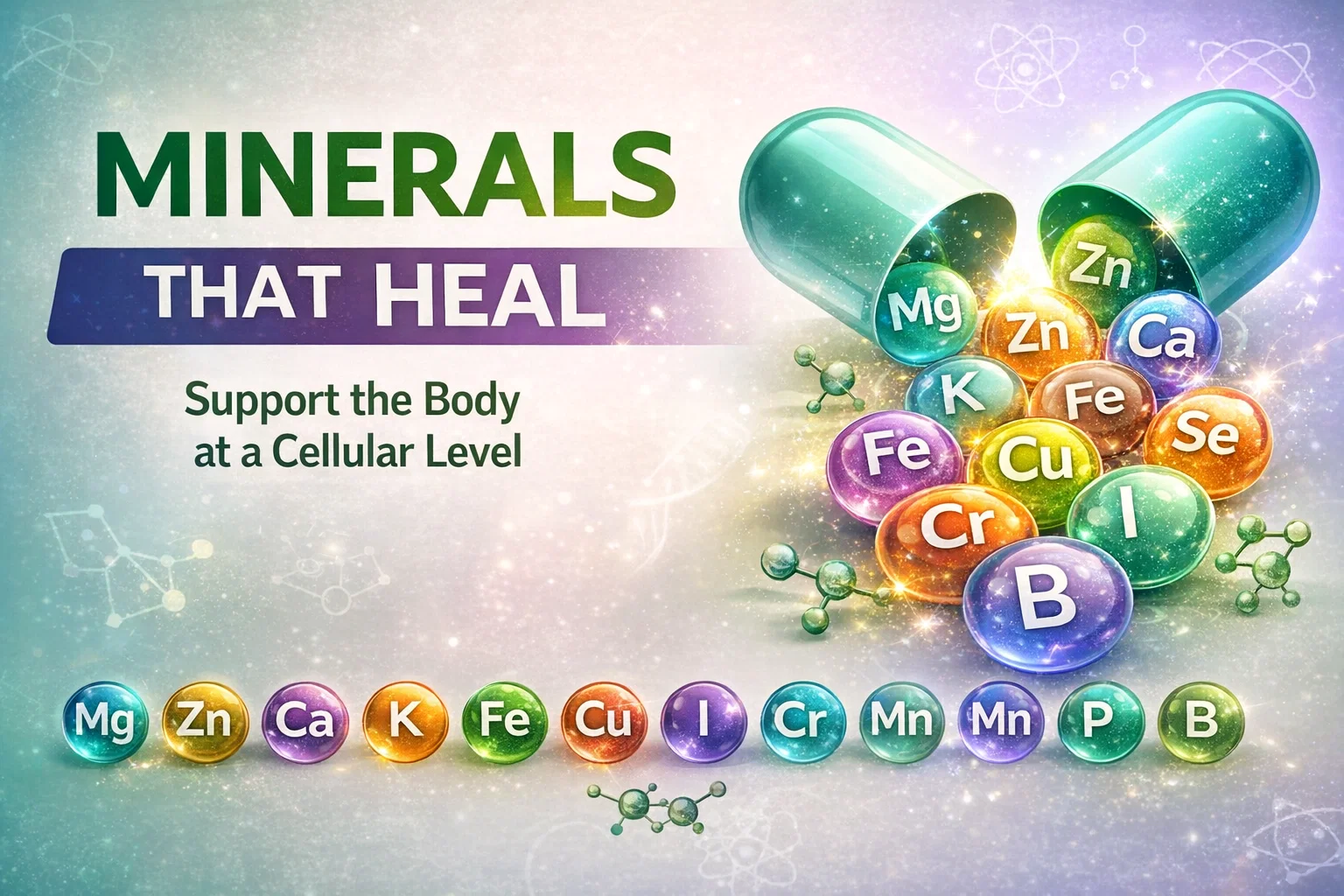
12 Essential Minerals That Heal Boost Immunity, Energy, and Cellular Health Guide
Have you ever felt like your body is trying to tell you something but you just cannot quite translate the message? Maybe it is a persistent muscle cramp that refuses to go away, a sudden dip in energy halfway through the afternoon, or a sense of restlessness that keeps you tossing and turning at night. Often, we look for complex medical explanations or reach for another cup of coffee when the answer is actually found at the most fundamental level of our biology: minerals. These inorganic elements are the unsung heroes of our health, working quietly behind the scenes to power every single cellular reaction that keeps us alive and thriving.
Minerals are not just components of the earth; they are the electrical conductors of the human body. From the rhythmic beating of your heart to the sharp firing of your neurons, minerals provide the necessary spark. While we often focus on macronutrients like proteins and fats, it is these micronutrients that determine how effectively those building blocks are used. In this comprehensive guide, we are diving deep into twelve essential minerals that act as natural healers, helping you understand how to support your body from the inside out.
The Master Relaxer: Magnesium for Nervous System Support
If there were a mineral award for “Most Versatile Player,” magnesium would take the trophy every single time. It is involved in over 300 biochemical reactions in the human body. Its primary reputation is as a relaxant, making it the go-to nutrient for anyone dealing with high stress or physical tension. When your magnesium levels are optimal, your nervous system can transition more easily from a state of “fight or flight” to “rest and digest.”
Shutterstock
Physical and Mental Benefits of Magnesium
- Muscle Recovery: It helps muscles relax after contraction, which is why it is so effective at reducing cramps and spasms.
- Quality Sleep: By regulating neurotransmitters that calm the brain, magnesium prepares your body for a deeper, more restorative sleep cycle.
- Blood Sugar Regulation: It plays a critical role in insulin sensitivity, helping your cells turn glucose into energy efficiently.
- Stress Resilience: Magnesium is often depleted by stress, so maintaining high levels helps your body bounce back from emotional or physical taxing events.
Building the Foundation: Calcium and Phosphorus
We have been told since childhood that calcium is for strong bones, but that is only half the story. Calcium and phosphorus work in a delicate partnership to create the structural integrity of our skeletal system. Without the right balance between these two, our bones can become brittle or lose density over time. However, their jobs extend far beyond just acting as a framework.
Calcium is vital for muscle contractions. Every time you lift an object or even blink your eyes, calcium ions are moving across cell membranes to make that movement possible. It also acts as a messenger in nerve communication, ensuring that signals from your brain reach their destination. Phosphorus, on the other hand, is a key component of ATP, which is the primary energy molecule in our cells. If you feel chronically fatigued, it might not just be a lack of sleep; it could be a struggle at the cellular energy production level.
The Great Regulators: Potassium and Sodium Balance
Potassium is perhaps the most important mineral for cardiovascular health. It acts as a natural offset to sodium, helping to ease tension in your blood vessel walls and lower blood pressure. Think of potassium as the fluid manager of your body. It ensures that the water levels inside and outside your cells remain perfectly balanced, which prevents dehydration and bloating.
Key Functions of Potassium
- Heart Rhythm: It keeps the electrical impulses of the heart steady and predictable.
- Nerve Signaling: Potassium is essential for the rapid transmission of nerve impulses throughout the body.
- Cramp Prevention: Along with magnesium, it prevents the involuntary muscle “knots” that often plague athletes or active individuals.
The Immune Powerhouse: Zinc and Selenium
In a world where we are constantly exposed to environmental stressors and pathogens, zinc and selenium act as your internal security team. Zinc is legendary for its ability to support immune defense. It helps in the production of T-cells and protects our membranes from being breached by harmful invaders. If you notice that your skin takes a long time to heal after a small cut, or if you are prone to breakouts, a zinc deficiency might be the culprit, as it is essential for skin repair and gut lining integrity.
Selenium is a potent antioxidant. Its main job is to protect your cells from oxidative damage caused by free radicals. It is also the best friend of your thyroid. The thyroid gland contains more selenium per gram of tissue than any other organ in the body, and this mineral is required to convert thyroid hormones into their active states. Without enough selenium, your metabolism can sluggishly grind to a halt.
Oxygen and Energy: The Vital Role of Iron
Iron is the mineral of vitality. Its primary job is to help form hemoglobin, the protein in red blood cells that carries oxygen from your lungs to the rest of your body. When iron levels are low, your cells are essentially gasping for air, which leads to the profound fatigue and weakness associated with anemia. But iron is also involved in brain function; it helps with focus, memory, and cognitive processing. Supporting your iron intake is one of the fastest ways to improve your daily stamina and mental clarity.
Metabolism and Blood Sugar: Chromium and Manganese
Do you struggle with intense sugar cravings? You might want to look at chromium. This trace mineral improves insulin sensitivity, making it easier for your body to move sugar out of the bloodstream and into the cells where it can be burned for fuel. By stabilizing blood sugar, chromium helps eliminate the “hangry” spikes and crashes that lead to overeating.
Manganese is equally important but often overlooked. It contributes to the formation of bone and connective tissue, but its real specialty is antioxidant enzyme activity. It helps protect the mitochondria, the power plants of your cells, from damage. This makes manganese a key player in long term joint health and metabolic efficiency.
The Unsung Trace Minerals: Iodine, Copper, and Boron
As we move into the smaller trace minerals, their impact remains massive. Iodine is the fundamental building block of thyroid hormones. Without it, the thyroid cannot regulate your metabolism, body temperature, or growth. In many parts of the world, iodine deficiency is a leading cause of preventable metabolic issues.
Copper is the “partner mineral.” It works closely with iron to help form red blood cells and is necessary for the absorption of iron in the gut. Copper also aids in collagen production, which keeps your skin elastic and your joints cushioned. Finally, we have boron. While only needed in tiny amounts, boron is essential for bone density and the effective use of vitamin D and magnesium. It also plays a role in balancing hormones like estrogen and testosterone, making it a subtle but powerful influencer of overall hormonal harmony.
A Quick Reference Table for Mineral Healing
| Mineral | Primary Focus | Sign of Deficiency |
| Magnesium | Nervous System & Sleep | Muscle Twitches / Anxiety |
| Zinc | Immunity & Skin | Frequent Colds / Slow Healing |
| Iron | Oxygen & Energy | Pale Skin / Extreme Fatigue |
| Selenium | Thyroid & Antioxidant | Brain Fog / Thinning Hair |
How to Optimize Your Mineral Intake Naturally
The best way to get these “minerals that heal” into your system is through a diverse, whole foods diet. Mother Nature has conveniently packaged these elements in forms that our bodies recognize and absorb easily. Dark leafy greens like spinach and kale are gold mines for magnesium and calcium. Nuts and seeds, particularly Brazil nuts, offer incredible amounts of selenium. For your trace minerals, look toward the sea; seaweed and shellfish are among the most mineral dense foods on the planet.
It is also important to consider the health of your gut. You can eat the most mineral rich diet in the world, but if your digestive system is inflamed, you will not be able to absorb those nutrients. Focusing on gut lining integrity through fermented foods or bone broth can help ensure that the minerals you consume actually make it into your bloodstream where they can do their healing work.
Conclusion: Small Elements, Massive Impact
Healing does not always require a complete lifestyle overhaul or expensive interventions. Sometimes, it starts with the smallest elements on the periodic table. By paying attention to the minerals your body needs, you are providing the foundation for every other health goal you have. Whether you want to run a marathon, improve your focus at work, or simply wake up feeling refreshed, these twelve minerals are the key to unlocking your body’s natural healing potential.
Start small by incorporating more mineral dense foods into your meals this week. Pay attention to how your body responds; you might be surprised at how quickly your energy levels stabilize and your mood improves when your cells finally have the tools they need. Your journey to holistic wellness is a marathon, not a sprint, and these minerals are here to support you every step of the way.
Would you like me to research specific food sources for each of these minerals to help you create a meal plan?