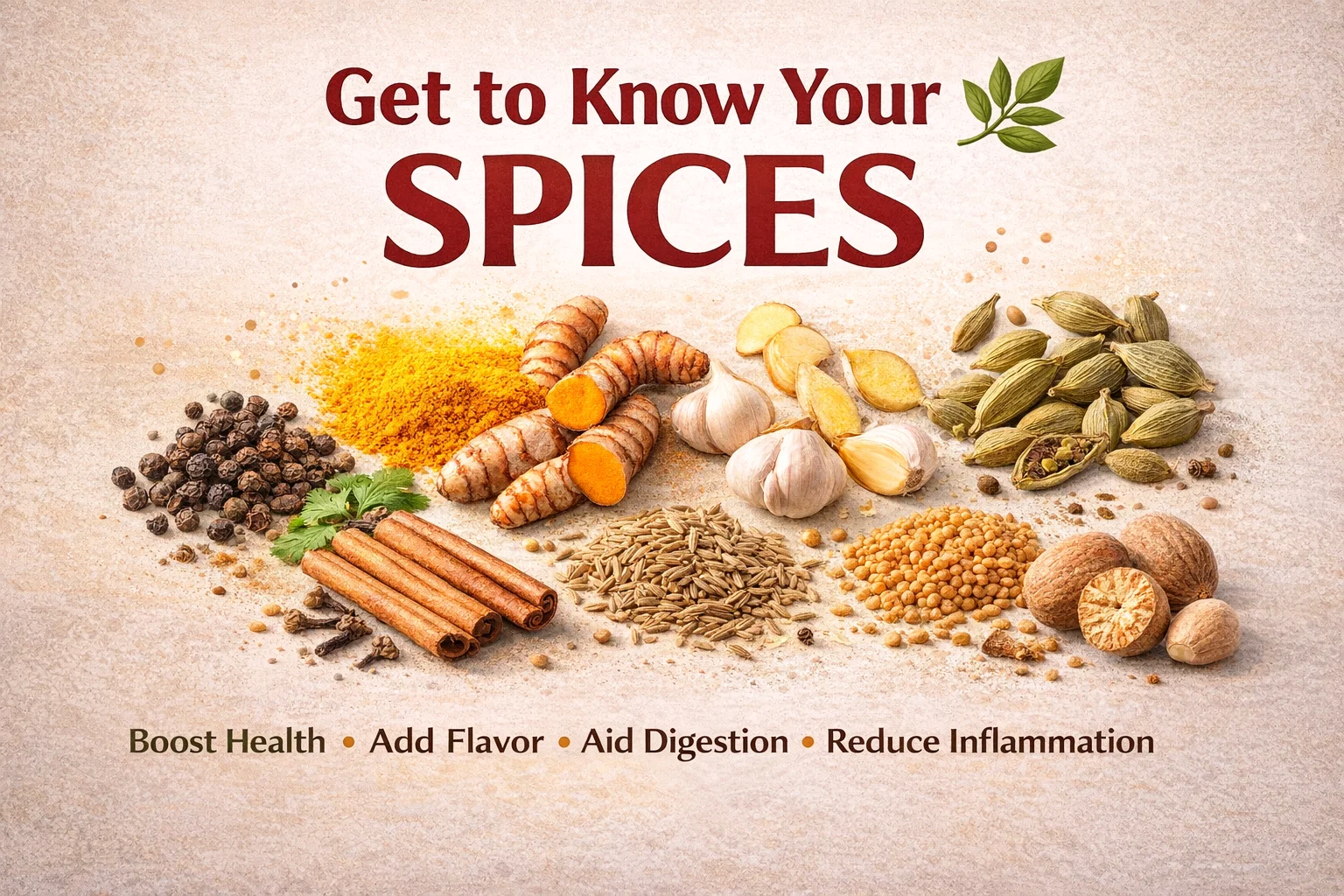
12 Essential Spices for Health and Flavor Guide to Benefits and Culinary Uses
Stepping into a kitchen filled with the aroma of warming spices is one of the greatest joys of home cooking. Beyond the incredible flavors they add to our favorite dishes, spices have been used for thousands of years as powerful tools for wellness and vitality. From the vibrant gold of turmeric to the sweet, woody scent of cinnamon, your spice rack is actually a hidden apothecary waiting to be unlocked. Understanding how to use these ingredients effectively can transform your culinary routine from a daily chore into a vibrant, health-focused experience.
The Golden Standard: Turmeric and the Power of Anti-Inflammatory Cooking
Turmeric has earned its reputation as a nutritional powerhouse, and for good reason. Its primary active compound, curcumin, is celebrated for its remarkable anti-inflammatory properties. When you add a teaspoon of turmeric to your morning golden milk or a savory vegetable curry, you are doing more than just adding color. You are providing your body with a natural way to manage inflammation and support joint health.
To get the most out of this bright root, it is essential to remember a simple kitchen trick. Curcumin is not easily absorbed by the human body on its own. However, when paired with a pinch of black pepper, the absorption rate increases by an astounding percentage. This is why you will almost always see these two spices paired together in traditional recipes. Whether you are whisking it into a marinade for roasted cauliflower or stirring it into a pot of fluffy basmati rice, turmeric is a foundational spice for anyone interested in holistic living.
Digestive Heroes: Cumin, Cardamom, and Ginger
If you have ever felt heavy or sluggish after a big meal, you know how important digestive health is to your overall well-being. Several common kitchen spices act as natural carminatives, meaning they help soothe the digestive tract and reduce bloating. Cumin is perhaps the most famous of these. Used either as whole seeds or a fine powder, cumin supports gut health and helps the body break down complex proteins and fats. It adds a smoky, earthy base to dals and spice blends that is difficult to replicate with anything else.
The Refreshing Touch of Cardamom
Cardamom is often referred to as the queen of spices. It possesses a complex flavor profile that is simultaneously citrusy, minty, and spicy. While it is a staple in decadent desserts and biryanis, its benefits go beyond the palate. Chewing on a green cardamom pod is a traditional way to freshen breath and stimulate the production of digestive enzymes. It brings a sophisticated brightness to chai tea and can even be added to coffee grounds before brewing for a unique, aromatic twist.
Ginger: The Ultimate Nausea Reliever
Ginger is a versatile rhizome that works wonders in both fresh and dried forms. It is widely recognized for its ability to reduce nausea and ease motion sickness. In the kitchen, its spicy heat adds zest to stir-fries and a comforting warmth to herbal teas. Because ginger is also an anti-inflammatory agent, it is a fantastic ingredient to include in your post-workout meals to help soothe tired muscles and keep your immune system sharp.
Heart Health and Immune Support: The Role of Garlic
While often categorized as a vegetable, garlic is used as a potent spice in almost every cuisine across the globe. It serves as the ultimate flavor base, providing a pungent and savory foundation for soups, sauces, and roasts. Beyond its culinary utility, garlic is a champion for heart health. It has been studied for its ability to support healthy blood pressure levels and maintain a robust immune system.
For the best results, try crushing or chopping your garlic and letting it sit for about ten minutes before applying heat. This brief resting period allows the enzyme alliinase to create allicin, the compound responsible for many of garlic’s health benefits. Whether you are roasting a whole head for a creamy spread or sautéing it with fresh greens, garlic is an indispensable ally in the pursuit of a healthy lifestyle.
Balancing the Body: Cinnamon and Fenugreek
Managing energy levels throughout the day often comes down to how well we regulate our blood sugar. Interestingly, the spice cabinet offers some of the best natural tools for this task. Cinnamon is a fan favorite, loved for its sweet and comforting aroma. It is a perfect addition to morning oats, smoothies, and even savory Moroccan stews. Research suggests that cinnamon can help improve insulin sensitivity, making it easier for your body to maintain steady energy levels without the dreaded mid-afternoon crash.
Fenugreek: The Hidden Gem for Metabolism
Fenugreek seeds may be less common in some Western kitchens, but they are a staple in many traditional health practices. These small, golden-brown seeds have a slightly bitter, maple-like flavor. When soaked overnight and consumed or added to spice mixes and curries, fenugreek helps regulate blood sugar and supports healthy metabolic function. It is a fantastic ingredient for those looking to add a functional edge to their meal prep routine.
Enhancing Bioavailability: Black Pepper and Nutmeg
Some spices are the stars of the show, while others act as the perfect supporting cast. Black pepper is the ultimate example of a spice that makes everything else work better. By boosting nutrient absorption, it ensures that you are getting the maximum benefit from the vitamins and minerals in your food. Its sharp, biting heat is a welcome addition to almost any savory dish, from simple scrambled eggs to complex vegetable soups.
Nutmeg: The Calming Influence
On the sweeter side of the spectrum, nutmeg provides a calming and warming sensation that is perfect for winding down. It is a dense, hard seed that is best used when freshly grated. Nutmeg adds a nostalgic, nutty flavor to desserts, creamy bechamel sauces, and warm milk. Because of its soothing properties, a small dusting of nutmeg in a nighttime beverage can be a wonderful way to signal to your body that it is time to rest and recover.
The Vibrant Crunch of Mustard Seeds and Coriander
Texture is just as important as flavor in a well-composed dish. Mustard seeds are incredible for adding a popping sensation and a sharp, vinegary bite to your meals. When tempered in hot oil, they release a toasted aroma that stimulates the metabolism and wakes up the digestive system. They are essential for pickling liquids and homemade sauces where a bit of tang is required.
Coriander offers a dual-purpose approach to cooking. The seeds provide a cooling, citrusy undertone that helps detoxify the body and balance out heavier, spicier ingredients. Meanwhile, the fresh leaves, often called cilantro, serve as a beautiful garnish that adds a burst of freshness. Using both the seeds and the leaves allows you to layer flavors and create a dish that is both complex and incredibly refreshing.
How to Store and Use Your Spices for Maximum Potency
To truly reap the rewards of these natural wonders, you need to treat them with care. Spices lose their potency over time, especially when exposed to light, heat, and moisture. To keep your spice cabinet in top shape, store your herbs and spices in airtight glass jars in a cool, dark place. Buying whole spices and grinding them as needed is one of the best ways to ensure you are getting the freshest flavor and the highest concentration of beneficial oils.
When cooking, consider the timing of when you add your spices. Ground spices are best added toward the beginning or middle of the cooking process so they can meld with the other ingredients. Whole spices, like cinnamon sticks or cardamom pods, can simmer in liquids for a long time to release their deep essence. Finishing a dish with a sprinkle of fresh herbs or a dash of black pepper adds a final layer of brightness that brings the whole meal to life.
Embracing a Flavorful and Holistic Lifestyle
Integrating these twelve essential spices into your daily life is an easy and delicious way to support your health goals. Whether you are focused on reducing inflammation, improving your digestion, or simply wanting to cook more flavorful meals at home, your spice rack is the perfect place to start. Each pinch of cumin and every grate of nutmeg is an opportunity to nourish your body and delight your senses.
By shifting your perspective and seeing spices as functional ingredients rather than just flavor enhancers, you open up a world of culinary possibilities. You start to notice how a well-spiced meal leaves you feeling satisfied and energized rather than heavy and bloated. This mindful approach to seasoning is a cornerstone of holistic wellness that anyone can master right in their own kitchen.
Conclusion: Your Journey to a Spiced-Up Kitchen
Mastering the art of spices is a lifelong journey of discovery. There is always a new blend to try, a new pairing to explore, and a new health benefit to uncover. By keeping these twelve essentials on hand, you are well-equipped to handle any recipe and support your body natural rhythms. From the heart-healthy benefits of garlic to the blood sugar-balancing power of cinnamon, these spices are truly nature’s gift to the home cook.
As you continue to experiment with these flavors, you will find your own unique style and preferences. Perhaps you will fall in love with the floral notes of cardamom or the earthy depth of coriander. Whatever your path, remember that the most important ingredient is your own curiosity and passion for good food. Start small, taste often, and enjoy the incredible transformation that happens when you get to know your spices. Your kitchen, and your body, will thank you for it.