12 Essential Survival Foods to Stockpile Now for Emergency Preparedness and War Survival
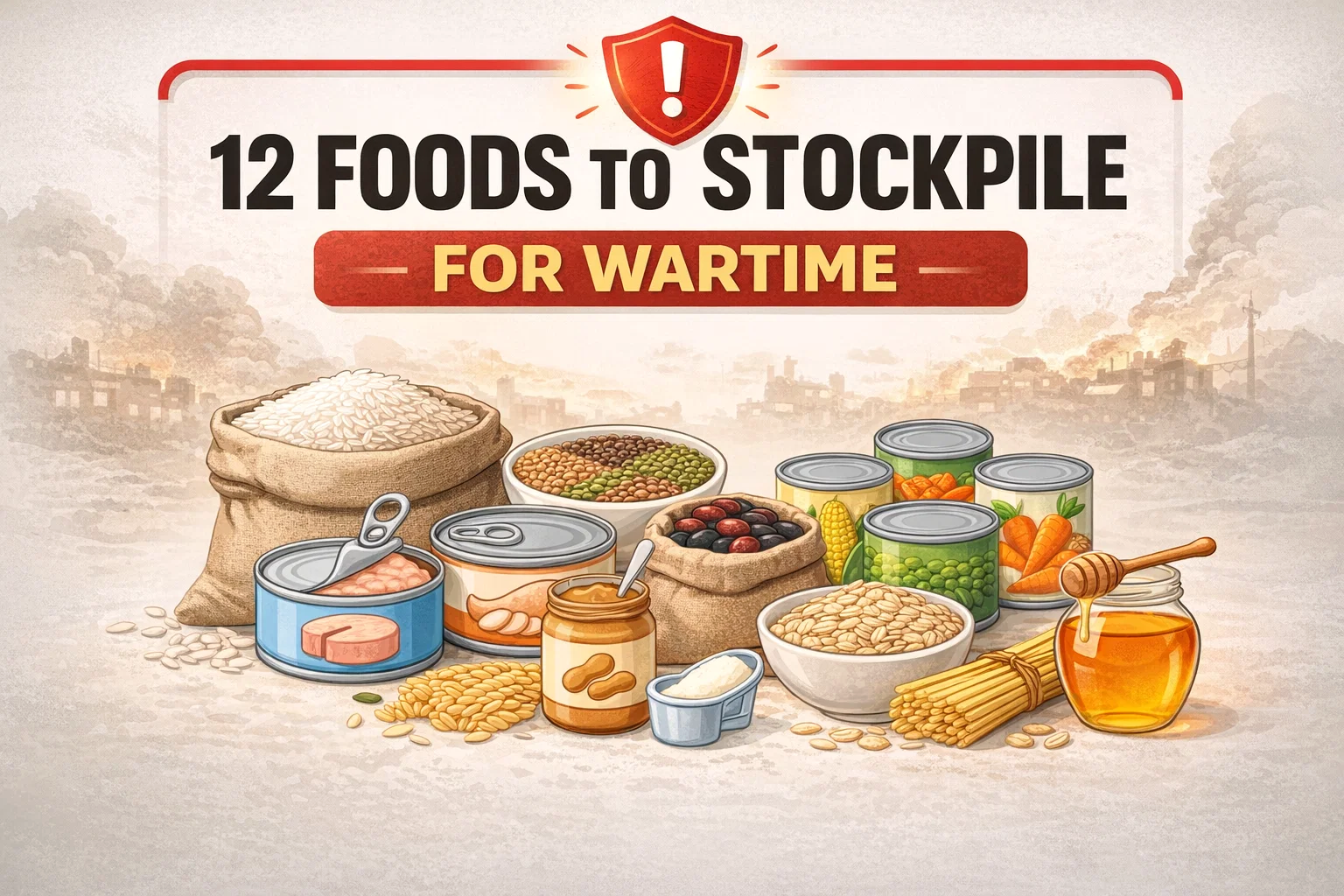
In an unpredictable world, the peace of mind that comes from being prepared is truly priceless. Whether it is a natural disaster, a sudden supply chain disruption, or more serious global instability, having a well-stocked pantry is the first line of defense for your family. The image of a public safety alert highlighting twelve essential foods is not just a graphic; it is a roadmap for resilience. Emergency preparedness, often called prepping, is no longer a niche hobby for survivalists. It has become a practical lifestyle choice for anyone who wants to ensure their nutritional needs are met when the grocery store shelves go empty. Understanding which foods to prioritize can make the difference between a high-stress crisis and a manageable situation.
The Foundations of a Survival Pantry
When you begin building an emergency food supply, the goal is not just to fill space. You need to focus on calorie density, shelf stability, and nutritional balance. A survival diet must provide enough energy to keep you physically active and mentally sharp during a crisis. The twelve items highlighted in our guide represent the gold standard of long-term storage. They are affordable, widely available, and, most importantly, they provide the essential macronutrients: carbohydrates, proteins, and fats.
Rice: The Ultimate Long-Term Staple
Rice is perhaps the most important item in any survival cache. It is incredibly cheap when bought in bulk and can stay edible for decades if stored in airtight containers with oxygen absorbers. White rice is generally preferred over brown rice for long-term storage because the natural oils in brown rice can go rancid within six months. Rice serves as a perfect blank canvas for meals, providing the necessary “easy carbs” to keep your energy levels consistent throughout the day.
Lentils and Dried Beans: The Powerhouse of Plant Protein
During a period of food scarcity, protein becomes a luxury. Lentils and dried beans are the solution to this problem. Lentils are particularly valuable because they cook much faster than beans and do not require pre-soaking, which saves precious water and fuel. Dried beans, such as black, pinto, or kidney beans, are energy-dense and packed with fiber. Together with rice, beans and lentils form a complete protein, containing all the essential amino acids your body needs to maintain muscle mass and repair tissue.
Canned Goods for Immediate Nutrition
While dried goods are great for longevity, canned foods are essential for convenience. In a survival situation, you might not always have the time or the resources to boil water for an hour. Canned goods are pre-cooked and can be eaten straight from the tin if necessary. They also provide a source of hydration, as many are packed in water, oil, or natural juices.
Canned Tuna and Chicken: Ready to Eat Protein
Canned meats like tuna and chicken are vital for maintaining strength. They provide high-quality animal protein and essential fats without the need for refrigeration. Canned tuna is a great source of omega-3 fatty acids, which are important for brain health and reducing inflammation. Canned chicken is versatile and can be added to rice or pasta to create a hearty meal that feels like a bit of normalcy in an abnormal time.
Canned Vegetables and Fruits: Vital Nutrients and Quick Energy
A common mistake in emergency planning is focusing solely on calories and forgetting about vitamins. Canned vegetables like corn, peas, and carrots provide the micronutrients necessary to keep your immune system functioning. Canned fruits are equally important because they provide a source of “quick energy” through natural sugars. They also serve as a significant morale booster. A simple bowl of canned peaches can provide a much-needed psychological lift during a difficult week.
High-Energy Staples and Comfort Foods
Survival is as much a mental game as it is a physical one. Having foods that are calorie-dense and familiar can help reduce the stress of a crisis. These items are designed to keep you full and satisfied even when your activity levels are high.
Peanut Butter: The High-Calorie Hero
Peanut butter is a prepper’s favorite for a reason. It is packed with healthy fats and protein, and it requires no cooking at all. A few tablespoons of peanut butter can provide a significant portion of your daily caloric needs. It is shelf-stable for a long time and is generally loved by both children and adults, making it an essential item for family-focused emergency kits.
Oats: Slow Release Energy
Oats are a fantastic source of complex carbohydrates. Unlike simple sugars that cause a crash, oats provide a slow and steady release of energy. This is vital if you are performing physical labor or navigating a challenging environment. Oats are also very high in fiber, which helps with digestion, a factor that is often overlooked in emergency diets. They can be used for breakfast porridge, ground into flour, or even used to stretch out meat dishes.
Pasta: The Easy Carbohydrate
Pasta is a favorite for survival storage because it is lightweight and takes up very little space. It is an “easy carb” that can be prepared quickly. While it doesn’t have the multi-decade shelf life of white rice, pasta stored in a cool, dry place will remain perfectly fine for several years. It is a comfort food that can be paired with canned vegetables or meat to create a filling, hot meal that provides a sense of security.
Essential Extras for Longevity and Health
The final pieces of the puzzle involve items that bridge the gap between basic survival and long-term health. These items provide specific nutrients or unique properties that are hard to find elsewhere.
Powdered Milk: Calcium Rich and Versatile
Fresh dairy is one of the first things to disappear during a crisis. Powdered milk is an excellent substitute that provides much-needed calcium and vitamin D. It is essential for families with children and can be used in baking, cooking, or simply reconstituted for drinking. Modern powdered milk has improved significantly in taste and can be a vital component in maintaining bone health when other sources of calcium are unavailable.
Honey: The Food That Never Spoils
Honey is a miracle food. Archaeologists have found pots of honey in ancient Egyptian tombs that are still edible today. Because it never spoils, it is the ultimate “set it and forget it” item for your pantry. Beyond being a natural sweetener and a source of quick energy, honey has potent antibacterial and antifungal properties. In a pinch, it can even be used as a topical treatment for minor wounds or as a natural cough suppressant, making it a dual-purpose survival tool.
Strategic Storage and Maintenance Tips
Buying the food is only the first step. To ensure your investment doesn’t go to waste, you must follow proper storage protocols. The enemies of food storage are heat, light, moisture, and pests. By managing these factors, you can extend the life of your supplies significantly.
- Keep it Cool: Store your food in the coolest part of your home. A basement or a root cellar is ideal. High temperatures accelerate the breakdown of nutrients and cause oils to go rancid faster.
- Keep it Dark: Light can degrade the quality of food and cause discoloration in canned goods. Use opaque bins or keep your pantry doors closed.
- Keep it Dry: Moisture leads to mold and can rust metal cans. If you live in a humid climate, consider using desiccants or a dehumidifier in your storage area.
- Pest Protection: Rodents and insects can chew through plastic bags and cardboard boxes. Use hard plastic buckets or glass jars to protect your grains and pastas.
The Importance of Food Rotation
You should never treat your emergency food as a static pile that you ignore for ten years. The best way to manage a survival pantry is the “First In, First Out” method. Use the items you buy and replace them with fresh ones. This ensures that you are always eating the oldest stock while keeping your pantry updated. Regularly checking expiration dates and the integrity of your cans is a crucial habit for any prepared household.
Why You Should Start Your Stockpile Today
Waiting for a crisis to start your emergency food supply is a recipe for disaster. When a “Public Safety Alert” actually goes out, panic buying usually clears the stores within hours. Starting today allows you to buy in bulk when prices are low and avoid the stress of a crowded supermarket. You don’t need to buy everything at once. Adding just a few extra bags of rice, a jar of peanut butter, and a few cans of tuna to your weekly grocery trip will result in a robust supply in just a few months.
A Note on Water
While the focus of this guide is on food, remember that you cannot survive without water. Most of the foods listed here, like rice, beans, and pasta, require water for preparation. Ensure you have a reliable way to store water and a method for purification, such as a high-quality filter or purification tablets. A general rule of thumb is one gallon of water per person per day for drinking and basic sanitation.
Conclusion: Empowering Yourself Through Preparation
Building a survival food supply is not about living in fear; it is about living with confidence. When you know that you have twelve essential foods stored away to feed your family, the headlines of the day feel a little less threatening. By focusing on staples like rice, lentils, canned meats, and honey, you are creating a safety net that covers all your nutritional bases. These items provide the energy, protein, and vitamins needed to weather any storm. Start small, stay consistent, and take pride in the fact that you are taking proactive steps to protect your future. Preparation is the greatest gift you can give to your loved ones, ensuring that no matter what happens in the world, your home remains a place of safety and sustenance.