12 Essential Tips to Stop People Pleasing, Set Boundaries and Build Self-Worth
Do you ever find yourself saying yes to a favor before the other person has even finished asking? Or perhaps you spend hours agonizing over a text message because you are terrified of sounding too blunt or causing a microscopic amount of friction. If this sounds familiar, you are likely part of the millions of people who identify as people pleasers. While being kind and helpful are wonderful traits, there is a sharp, painful line where being nice turns into a complete abandonment of your own needs. It is a cycle of seeking external validation to quiet internal anxiety, and it often leads to burnout, resentment, and a lost sense of self.
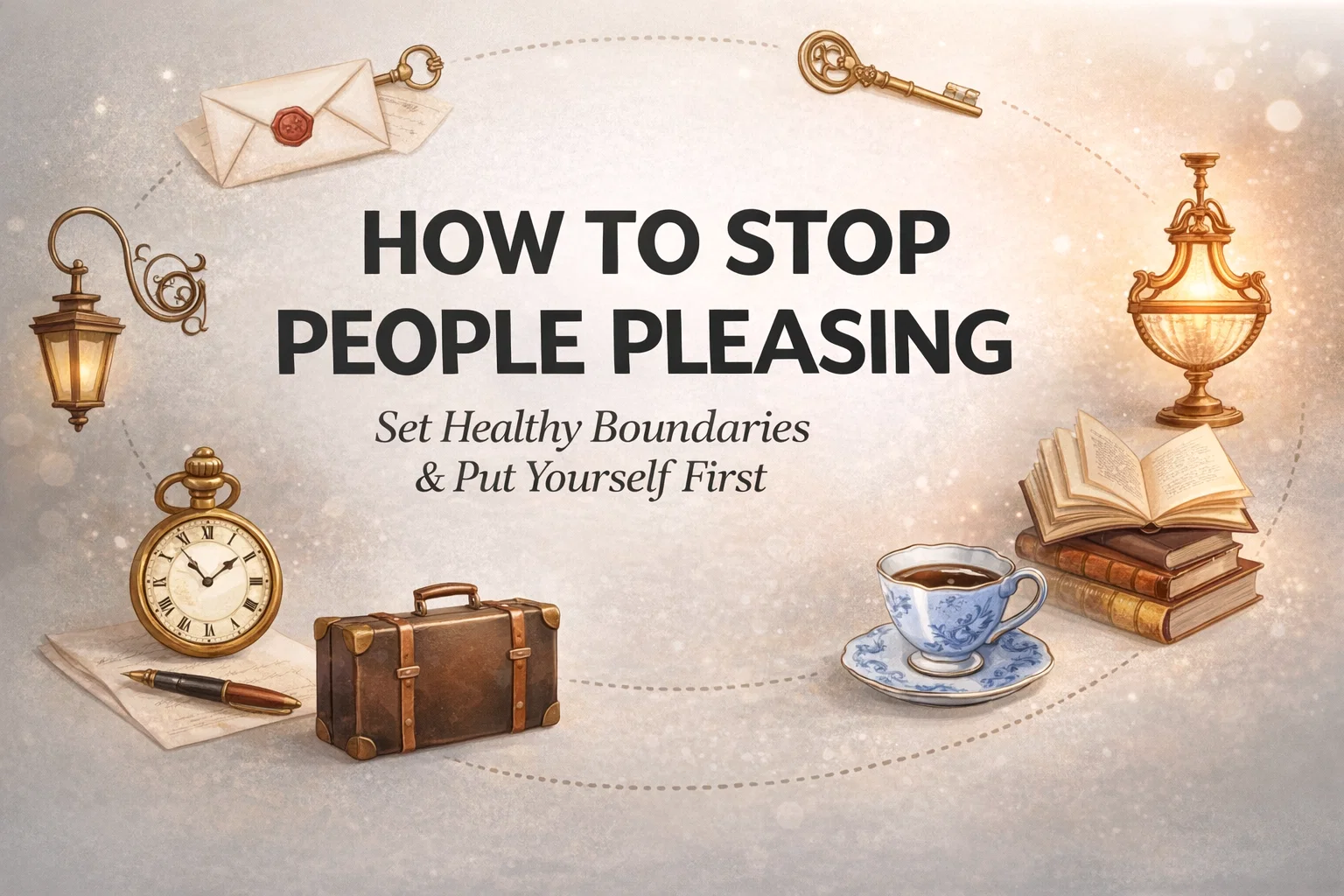
The image we are looking at today serves as a roadmap for reclaiming your time and your identity. It offers twelve distinct, actionable strategies designed to help you break the habit of chronic compliance. From noticing the physical sensations in your body to embracing the reality that you cannot control how others feel, these tools are the keys to a more authentic life. Let us dive deep into these strategies and explore how you can start implementing them today to finally put yourself back on your own priority list.
The Foundation of Self-Awareness: Noticing the Abandonment
The first step in any behavioral change is awareness. You cannot fix a leak if you do not know where the water is coming from. One of the most profound tips offered is to notice when you abandon yourself. Self-abandonment happens in those tiny moments where your intuition says no but your mouth says yes. It is the sinking feeling in your stomach when you agree to work late on a Friday even though you are exhausted. By paying attention to these moments, you begin to see the patterns of your people pleasing behavior in real time.
Checking Your Body Before You Agree
Your mind is an expert at rationalizing why you should help someone else, but your body rarely lies. Before you give an answer to a request, take a three second pause to check your body. Do you feel a tightness in your chest? Is your jaw clenched? Does your stomach feel like it is tied in knots? These physical cues are often your subconscious trying to tell you that you do not have the capacity for what is being asked of such. Learning to listen to these signals is a vital skill in the journey toward self-preservation.
Defining Your Non-Negotiables
People pleasers often struggle because they have no internal boundaries to lean on. To fix this, you must define your non-negotiables. These are the hard lines in the sand that protect your mental and physical health. For example, a non-negotiable might be that you do not answer work emails after 7 PM, or that you always spend Sunday mornings alone to recharge. When you have a clear list of values and boundaries, saying no becomes less about rejecting the other person and more about honoring a commitment you made to yourself. This shift in perspective significantly reduces the guilt associated with setting boundaries.
Rewiring Your Response System
Once you are aware of the habit, the next phase is to change the way you interact with the world. This involves breaking the “auto-pilot” response of compliance. For many, “Yes, of course!” is a knee-jerk reaction. We need to install a circuit breaker in that process.
Replacing Yes with Let Me Think
One of the most effective tools in your arsenal is the phrase “Let me think about that and get back to you.” This simple sentence buys you the most valuable commodity: time. It moves the decision from an emotional, high-pressure moment into a logical, private one. When you are alone, you can evaluate the request based on your schedule and energy levels rather than your fear of disappointing the requester. This practice helps retrain your brain to prioritize contemplation over immediate compliance.
The Power of the Strategic Pause
Similarly, simply pausing before saying yes can reduce the frequency of over-committing. Most people pleasing is driven by the urge to relieve the immediate tension of an interaction. By forcing a five-second silence, you prove to yourself that you can handle the discomfort of a lull in conversation without needing to “fill” it with a promise or a favor.
Practicing in Low-Risk Situations
You would not try to run a marathon without training, and you should not try to set a massive boundary with a toxic boss without practice. Start practicing saying no in low-risk situations. Tell the cashier you do not want to sign up for the rewards card. Tell a friend you would rather eat at a different restaurant. These small wins build the “no muscle” so that when the stakes are high, you have the confidence to stand your ground.
Managing Social Pressure and Guilt
A major hurdle for recovering people pleasers is the fear of how others will react. We often feel responsible for the emotional states of everyone around us. Breaking free requires a radical shift in how we view social responsibility.
Allowing Others to Manage Their Emotions
This is perhaps the hardest lesson to learn: allow others to manage their own emotions. If you say no to a request and the other person gets angry, frustrated, or sad, that is their emotional experience to process, not yours to fix. You are responsible for being kind and clear in your communication, but you are not responsible for the reaction of the recipient. When you stop trying to “buffer” everyone else’s feelings, you reclaim an incredible amount of emotional energy.
Accepting That Disappointment is Unavoidable
To live an authentic life, you must accept that disappointment is unavoidable. You cannot please everyone all the time while also being true to yourself. There will always be moments where your needs clash with someone else’s wants. In those moments, choosing yourself will inevitably disappoint the other person. Embracing this reality takes the sting out of the “no” and allows you to move forward without the weight of perfectionism holding you back.
Stop Over-Explaining Your Boundaries
When we feel guilty, we tend to offer a laundry list of excuses for why we cannot do something. However, over-explaining actually invites more pressure. It gives the other person “data points” to negotiate with. If you say, “I can’t go because my car is in the shop,” they might say, “I’ll pick you up!” If you simply say, “I can’t make it this time, but thanks for thinking of me,” there is nothing for them to push back against. “No” is a complete sentence, and you do not owe anyone a detailed justification for your boundaries.
Cultivating an Internal Anchor of Worth
At the heart of people pleasing is a belief that our value is tied to how much we do for others. To stop the cycle for good, we have to change the source of our self-esteem.
Separating Kindness from Self-Betrayal
It is important to separate kindness from self-betrayal. Being a kind person means being empathetic and helpful when you have the capacity. Self-betrayal is when you help others at the direct expense of your own well-being. You can be a deeply compassionate person and still have firm boundaries. In fact, people with healthy boundaries are often able to give more authentically because they aren’t giving from a place of resentment or exhaustion.
Limiting Contact with Manipulative People
Not everyone will cheer for your new boundaries. In fact, people who benefited from your lack of boundaries might try to guilt or manipulate you back into your old ways. To protect your progress, it may be necessary to limit contact with individuals who refuse to respect your limits. Surrounding yourself with people who value your autonomy is a crucial part of the healing process.
Anchoring Your Worth Internally
The ultimate goal is to anchor your worth internally and approve of yourself. Instead of looking for a “good job” or a “thank you” from the outside world to feel okay, you learn to find validation from your own integrity. When you know that you are living in alignment with your values, the opinions of others lose their power over you. You become the primary authority in your own life.
Conclusion: The Path to Freedom
Breaking the habit of people pleasing is not an overnight transformation. It is a series of small, intentional choices that eventually lead to a massive shift in how you experience the world. By implementing these twelve strategies—ranging from the physical check-ins of your body to the philosophical shift of internal validation—you are doing more than just saying “no” to others. You are saying a resounding “yes” to yourself.
Remember that the people who truly love and respect you will want you to have boundaries. They want the real you, not the exhausted, compliant version of you. As you begin to use these tools, you will likely find that your relationships become deeper and more honest. You will have more energy for the things that actually matter, and most importantly, you will finally feel like the protagonist of your own story. Start small today. Pause before your next “yes,” and see how it feels to give yourself the gift of time and space.
Would you like me to create a 30-day “No-Pleasing” challenge calendar based on these principles to help you stay on track?