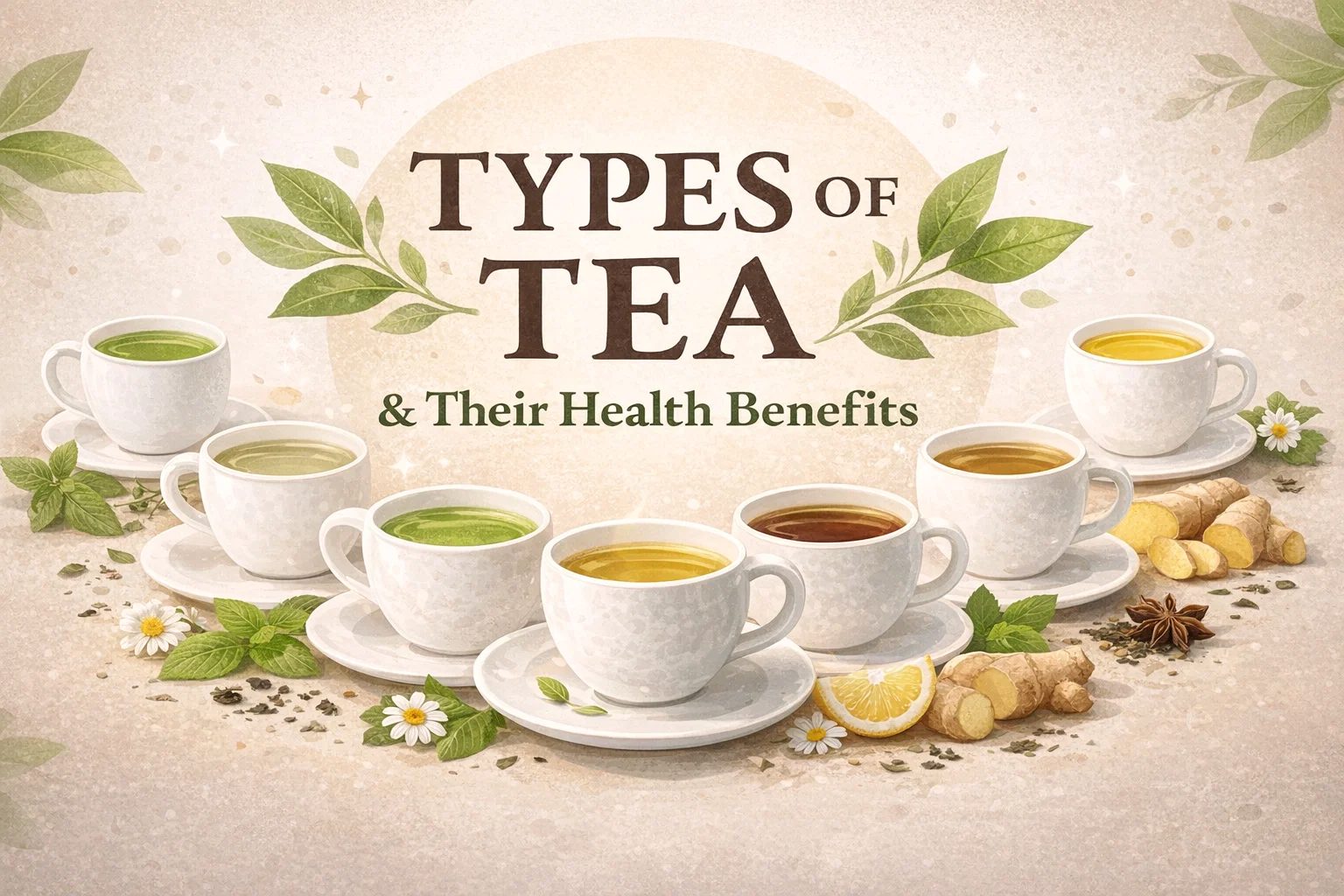
12 Health Benefits of Different Types of Tea Chart Tea Varieties Infographic Beige Poster
Stepping into the world of tea is like opening a door to an ancient apothecary where every leaf, flower, and root holds a specific secret for your well-being. Whether you are a seasoned connoisseur or someone just looking to swap your morning coffee for something a bit more soothing, understanding the unique profiles of different teas can transform your daily hydration into a powerful wellness ritual. From the vibrant emerald hues of Matcha to the deep, comforting amber of Darjeeling, the sheer variety available can be overwhelming yet incredibly exciting. This guide breaks down the most popular varieties and explains exactly how they support your body and mind.
The Foundation of True Teas: Green, White, and Black
Most people are surprised to learn that Green, White, Black, Oolong, and Darjeeling all come from the exact same plant: Camellia sinensis. The difference in their flavor, color, and health benefits lies entirely in how the leaves are processed after they are harvested. These true teas are legendary for their high concentrations of polyphenols, which are powerful antioxidants that protect your cells from damage.
Green Tea: The Metabolic Powerhouse
Green tea is perhaps the most famous health tonic in the world. Because the leaves are steamed or pan-fired almost immediately after picking, they retain a high level of catechins. These compounds are known to reduce the risk of heart disease and certain types of cancer. If you are looking for a natural way to support weight loss, green tea is a fantastic choice as it gently promotes fat oxidation and boosts your resting metabolic rate. It offers a clean, grassy flavor that feels instantly refreshing.
White Tea: The Delicate Protector
White tea is the least processed of all varieties. It is made from the youngest buds and leaves, which are simply withered and dried in the sun. This minimal handling results in the highest antioxidant properties of any tea. It is a wonderful option for those who are sensitive to caffeine but still want a gentle energy lift. Many people turn to white tea as a stress reliever because its light, floral notes provide a very calming sensory experience.
Black Tea and Darjeeling: Heart Health and Focus
Black tea undergoes a full oxidation process, which gives it its characteristic dark color and robust flavor. It is excellent for improving cardiovascular health and can help regulate blood sugar levels when consumed without added sweeteners. Darjeeling, often referred to as the Champagne of teas, is a specific type of black tea grown in the foothills of the Himalayas. It is packed with flavonoids and antioxidants that promote long term heart health while providing a sophisticated, muscatel flavor profile that is perfect for an afternoon pick-up.
The Art of Specialized True Teas
Beyond the standard categories, there are specialized preparations of the Camellia sinensis plant that offer concentrated benefits. These are often the favorites of those who want a more intense experience or specific functional results from their brew.
Matcha: The Ultimate Immunity Booster
Unlike traditional tea where you steep the leaves and then discard them, Matcha involves whisking a fine powder made from stone-ground green tea leaves directly into water. This means you are consuming the entire leaf, resulting in a massive dose of chlorophyll and antioxidants. Matcha is a potent fat burner and immunity booster. Because it contains L-theanine, it provides a state of calm alertness often described as zengenic, avoiding the jittery crash associated with other caffeinated beverages.
Oolong Tea: Metabolism and Mental Clarity
Oolong falls somewhere between green and black tea in terms of oxidation. This partial oxidation creates a complex flavor that can range from floral to woody. Oolong is highly regarded for its ability to boost metabolism and improve mental alertness. It is a favorite among students and professionals who need to stay sharp throughout the day while supporting their digestive health.
The Magic of Herbal Infusions
Technically called tisanes, herbal teas do not contain leaves from the tea plant. Instead, they are made from dried fruits, flowers, spices, or herbs. They are naturally caffeine-free, making them the perfect choice for evening relaxation or for those looking for specific medicinal properties from nature pantry.
Chamomile: The Stress Reliever
Chamomile is the gold standard for relaxation. These small, daisy-like flowers produce a golden brew that reduces bloating and eases headaches. Most importantly, chamomile is famous for reducing stress and tension, making it an ideal sleep aid. If your immune system needs a little nudge, a warm cup of chamomile can provide that much needed support during cold and flu season.
Peppermint and Ginger: Digestive Heroes
If you struggle with digestive tract discomfort, peppermint and ginger should be staples in your kitchen. Peppermint tea is incredible for relieving cramping and nausea. Its cooling menthol effect helps relax the muscles of the stomach. Ginger, on the other hand, is a warming remedy that is unsurpassed for treating upset stomachs and sore throats. It is also an effective way to reduce bloating after a heavy meal.
Hibiscus: A Tart Tonic for Blood Pressure
Hibiscus tea is known for its deep red color and tart, cranberry-like flavor. Beyond being delicious, it is a functional powerhouse for heart health. Regular consumption has been shown to help prevent hypertension and lower blood pressure. It is also beneficial for respiratory health, making it a great year-round beverage that can be enjoyed hot or iced.
Spiced and Scented Delights
Sometimes tea is more than just a single ingredient. Blending teas with spices or flowers creates a multi-sensory experience that addresses multiple health goals at once.
Chai: Digestion and Blood Sugar Balance
Chai is a traditional Indian blend of black tea mixed with warming spices like cardamom, cinnamon, cloves, and black pepper. This combination is not just flavorful; it aids significantly in digestion and helps stabilize blood sugar levels. Many people find that the spicy kick of a good Chai helps with weight loss efforts by keeping cravings at bay and improving metabolic function.
Jasmine Tea: Stress Relief and Weight Loss
Jasmine tea is usually a base of green tea that has been scented with jasmine blossoms. It carries all the weight loss benefits of green tea but adds the aromatherapy benefits of jasmine. The scent of jasmine is scientifically proven to reduce stress and improve the immune system response. It is a beautiful, fragrant way to wind down after a long day while still giving your metabolism a gentle nudge.
Building Your Personal Tea Routine
To get the most out of these varieties, it is helpful to think about your day in stages. You can use the different properties of these teas to fuel your energy, focus your mind, and eventually soothe your body into a restful state.
- Morning: Start with Matcha or Oolong to kickstart your metabolism and gain mental clarity for the tasks ahead.
- Mid-Day: A cup of Black tea or Chai can help regulate blood sugar after lunch and keep your heart healthy.
- Afternoon: Enjoy the delicate antioxidants of White tea or a fragrant Jasmine tea to manage afternoon stress.
- Evening: Switch to caffeine-free options like Hibiscus, Peppermint, or Chamomile to aid digestion and prepare for sleep.
Maximizing the Health Benefits of Your Brew
While the type of tea matters, how you prepare it also dictates the level of nutrients you receive. Steeping times and water temperatures are key factors in unlocking the medicinal properties found in the leaves and herbs.
Water Temperature Matters
Delicate teas like Green and White tea can become bitter and lose their antioxidant potency if brewed with boiling water. Aim for water that is just starting to simmer. Robust teas like Black, Oolong, and most herbal infusions can handle boiling water, which helps extract the deeper flavors and heavier compounds like tannins and minerals.
Consistency is Key
Like any natural remedy, the benefits of tea are cumulative. Drinking one cup of green tea won’t transform your health overnight, but making it a daily habit can lead to significant long term improvements in heart health, weight management, and immune function. Try to incorporate at least two to three cups of various teas into your daily schedule to see the best results.
Conclusion: Finding Your Perfect Cup
The journey through the world of tea is a personal one. Whether you are drawn to the earthy depth of a fermented Oolong or the bright, floral notes of Hibiscus, there is a variety that will resonate with your palate and your wellness goals. By choosing your tea based on its specific benefits, you are doing more than just hydrating; you are participating in a global tradition of natural healing that spans thousands of years. Keep a variety of these teas in your cabinet so you can always reach for exactly what your body needs in the moment. From boosting your immunity to finding a moment of peace in a busy day, the perfect cup of tea is always within reach. Happy brewing!