12 Hidden Health Symptoms You Are Misinterpreting Signs of Nutrient Deficiencies
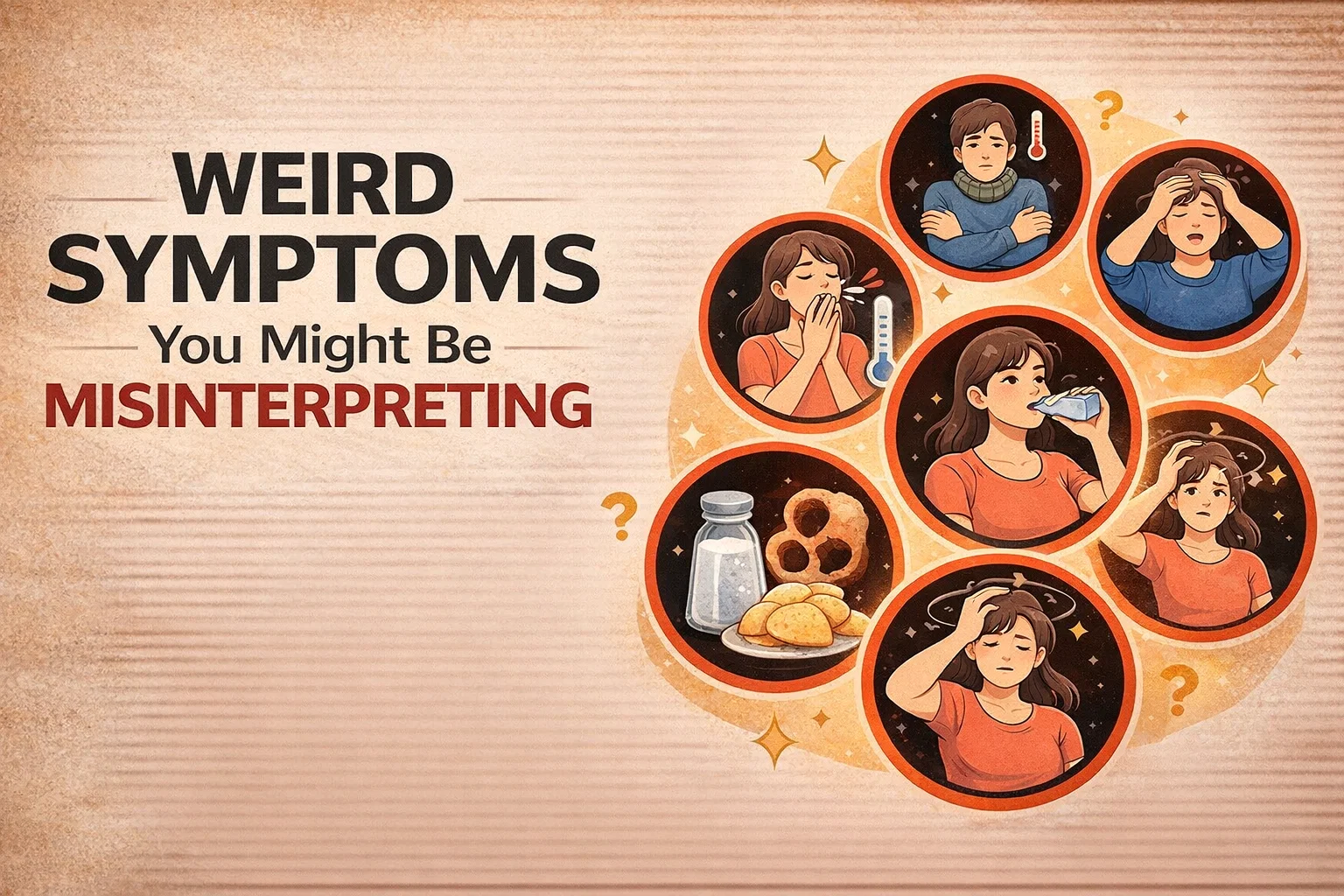
Have you ever felt like your body was trying to tell you something in a language you just could not understand? We often brush off small physical quirks as mere habits or the inevitable result of a busy lifestyle. Whether it is a sudden craving for salt, cold hands in a warm room, or that strange wave of fatigue that hits right after a healthy lunch, these are not just random occurrences. They are internal signals. When we misinterpret these symptoms, we miss the opportunity to address the root cause of our discomfort, which is often tied to nutrient deficiencies, hormonal shifts, or nervous system fatigue.
The Truth Behind Cold Hands and Feet
Many people assume that having icy extremities is simply a matter of poor circulation. While blood flow plays a role, the story usually goes much deeper. If your hands and feet are consistently cold even when you are bundled up, your body might be flagging a deficiency in iron or iodine. These two minerals are critical for thyroid function. Since the thyroid acts as the body’s internal thermostat, a slowdown in thyroid signaling can lead to a lower core temperature.
Low Metabolism and Thyroid Slowdown
Similarly, if you find yourself feeling cold in rooms where everyone else is comfortable, it may reflect a low metabolic rate. This is often a survival mechanism triggered by prolonged calorie restriction or a thyroid that is struggling to keep up. Instead of just reaching for another sweater, it might be time to look at your mineral intake and ensure your body has the fuel it needs to generate heat efficiently.
Why Am I Always Yawning?
We typically associate yawning with boredom or a lack of sleep. However, frequent yawning can actually be a sign of nervous system regulation issues. When the body shifts between the sympathetic (fight or flight) and parasympathetic (rest and digest) states, yawning serves as a way to reset and intake a large burst of oxygen. It can also indicate shifts in oxygen delivery to the brain or a state of deep fatigue recovery where the body is desperately trying to maintain alertness.
Decoding Your Most Intense Cravings
Cravings are rarely about a lack of willpower. They are biological demands for specific raw materials. If you find yourself reaching for the salt shaker or eyeing a bag of pretzels, you might not just have a “salty tooth.”
The Science of Salt Cravings
A persistent need for salt can signal low sodium levels, but it is also a hallmark sign of adrenal stress. Your adrenal glands require minerals to produce stress hormones. When you are chronically stressed, your body burns through sodium and magnesium at an accelerated rate, leading to those intense mid afternoon cravings for something savory.
Craving Ice and Iron Deficiency
One of the most specific “weird” symptoms is the urge to chew on ice, a condition known as pagophagia. This is a very strong clinical indicator of an iron deficiency. While the exact reason why iron deficiency causes this craving is still studied, many experts believe it helps increase alertness or soothes tongue swelling associated with low iron levels. If you find yourself at the freezer door often, a blood panel check is usually a wise next step.
The Post Meal Energy Crash
It is a common myth that feeling tired after eating is just the result of a “food coma” from overeating. While a massive meal can certainly make you sluggish, feeling exhausted after a standard sized meal often reflects blood sugar swings or a poor insulin response. When your blood sugar spikes too high and then crashes rapidly, your energy levels go right along with it. This can lead to a cycle of brain fog and irritability that lasts for hours after you have finished your plate.
Dizziness and Electrolyte Imbalance
Do you ever see stars or feel a wave of lightheadedness when you stand up quickly? While we are often told to “just drink more water,” hydration is not just about volume. It is about electrolytes. Dizziness upon standing is frequently linked to low blood pressure regulation or an imbalance of minerals like potassium, magnesium, and sodium. Without the right balance of these salts, your body struggles to pull blood upward against gravity quickly enough to reach your brain, resulting in that momentary dizzy spell.
When Healthy Foods Cause Bloating
It is incredibly frustrating to eat a clean, whole food diet and still feel like you have swallowed a balloon. Many people misread bloating after “healthy” foods as a food intolerance, but the culprit might be low digestive enzymes or poor bile flow. If you cannot break down fats or complex fibers properly, they sit in the digestive tract and ferment, causing gas and pressure. Supporting your gallbladder and liver health can often resolve these issues more effectively than cutting out more foods from your diet.
The Connection Between Mood and Minerals
We often treat mental and emotional states as separate from our physical health, but the two are inextricably linked. Poor stress tolerance is a perfect example. If you find yourself feeling easily overwhelmed or unable to cope with minor inconveniences, it is frequently blamed on your mindset. However, this “short fuse” is often linked to depleted magnesium and nervous system fatigue.
Magnesium: The Ultimate Chill Pill
Magnesium is responsible for over 300 biochemical reactions in the body, including those that regulate the nervous system. When magnesium is low, your nerves are essentially “fried,” making it impossible to remain calm under pressure. Replenishing this vital mineral can often feel like a weighted blanket for your internal state.
Restless Legs and Nighttime Discomfort
Restless Leg Syndrome (RLS) is often dismissed as a symptom of anxiety or simple “fidgeting.” In reality, that irresistible urge to move your legs at night is frequently linked to dopamine signaling and iron levels in the brain. It can also be a sign that your muscles are lacking the magnesium required to relax fully after a long day of movement. Instead of tossing and turning, addressing these underlying mineral deficiencies can lead to much deeper, more restorative sleep.
Feeling Better After a Bowel Movement
While it seems obvious that you would feel better after using the restroom, a profound sense of relief or a sudden lift in brain fog after a bowel movement is quite telling. This often reflects the recirculation of toxins or “autointoxication.” If waste sits in the colon for too long, the body can reabsorb certain byproducts, leading to a heavy or “toxic” feeling. Regularity is not just about comfort; it is a key pillar of mental clarity and hormonal balance.
The Role of Magnesium and Electrolytes
Throughout almost all of these symptoms, a recurring theme emerges: the need for minerals. Magnesium, potassium, and sodium are the “spark plugs” of the human body. They allow for electrical signaling between nerves and muscles. When these are out of balance, everything from your heart rhythm to your sleep quality can suffer. Frequent headaches, which are often treated with over the counter pain relievers, are a classic sign that your brain is lacking the magnesium or electrolyte balance it needs to maintain proper vascular tone.
Supporting Your Nervous System
Your nervous system is the command center for every symptom mentioned above. When it is stuck in a state of high alert, it drains your mineral stores and suppresses your digestive capacity. Finding ways to signal safety to your body—whether through proper nutrition, mineral supplementation, or rest—is essential for turning off these “weird” symptoms for good.
Conclusion: Listening to Your Body
Your body does not have a “check engine” light that glows on your forehead, so it uses these subtle physical cues instead. Cold hands, salt cravings, and post meal fatigue are not meant to be ignored or suppressed with caffeine and painkillers. They are invitations to look closer at your internal chemistry. By shifting your perspective from seeing these symptoms as “annoyances” to seeing them as “messages,” you can begin to provide your body with the specific minerals and support it is asking for. Start paying attention to the patterns, nourish your system with high quality nutrients, and you will find that many of these “weird” issues begin to fade away as your body returns to a state of balance and vitality.