12 Natural Spices to Boost Blood Circulation and Heart Health Fast
Improving your blood circulation is one of the most effective ways to enhance your overall health, energy levels, and longevity. While many people turn to expensive supplements or rigorous exercise routines, the secret to better blood flow might actually be sitting right in your spice rack. Nature has provided us with an incredible array of potent plants that do more than just add flavor to our favorite dishes. These spices contain active compounds that help dilate blood vessels, reduce inflammation, and ensure that oxygen rich blood reaches every corner of your body.
When our circulation is sluggish, we often feel it in the form of cold hands and feet, fatigue, or even brain fog. By incorporating specific warming spices into your daily diet, you can give your cardiovascular system a natural jumpstart. In this guide, we will dive deep into twelve powerhouse spices that are scientifically recognized for their ability to boost circulation and support a healthy heart.
The Power of Heat: Cayenne Pepper and Paprika
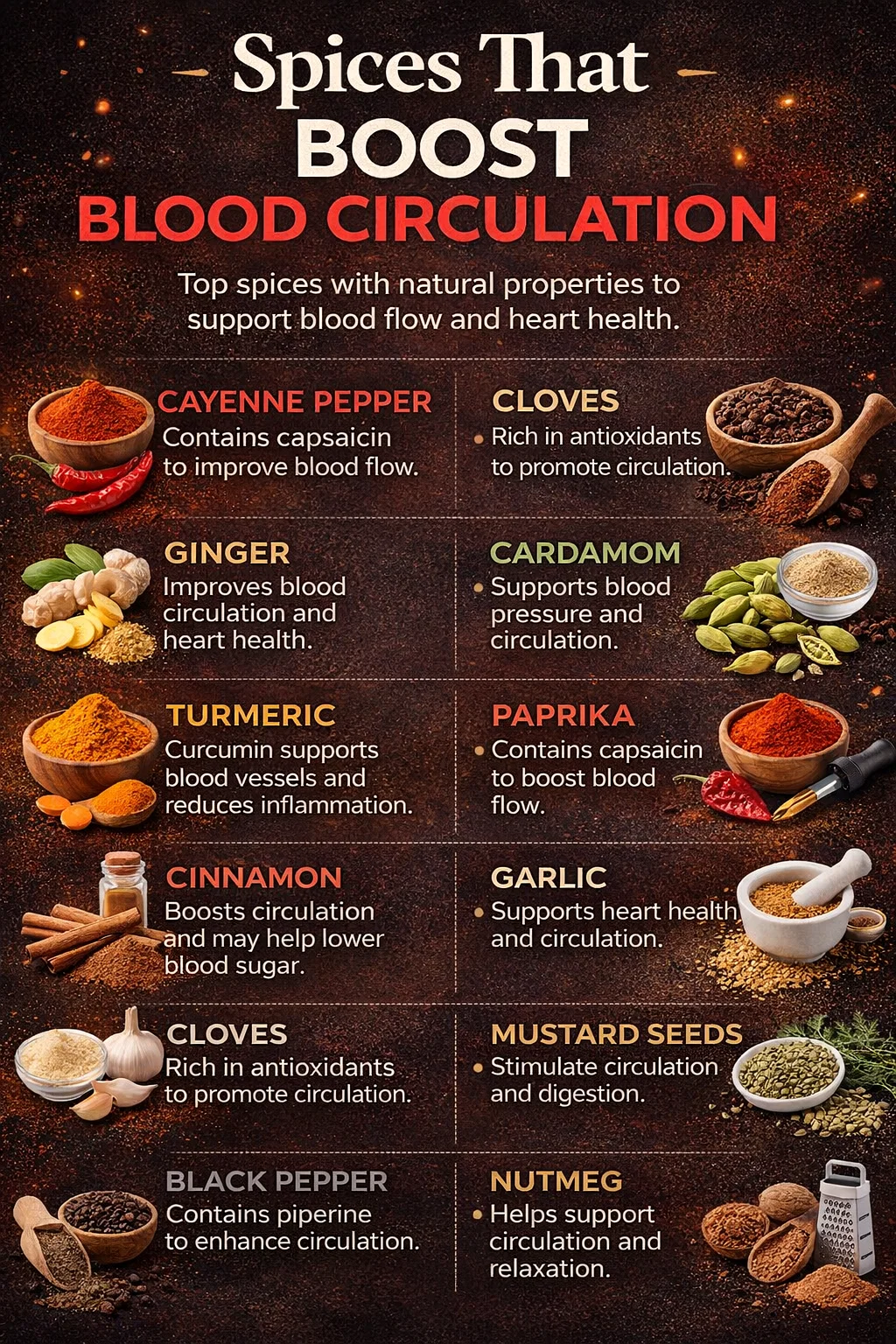
If you are looking for an immediate impact on your blood flow, look no further than the pepper family. Cayenne pepper is widely considered the king of circulatory herbs. This is largely due to its high concentration of capsaicin. This compound is what gives the pepper its heat, but inside the body, it acts as a powerful stimulant for the heart and the vasculature.
How Capsaicin Stimulates Blood Flow
Capsaicin works by stimulating the release of vasodilators, which are substances that help expand the blood vessels. When your blood vessels are open and relaxed, blood can flow more easily, which reduces the pressure on your heart. Regular consumption of cayenne pepper has been linked to improved artery health and even a reduction in the buildup of plaque. It is a fantastic way to warm up the body from the inside out, especially during the colder months.
Paprika: The Gentle Circulatory Aid
Not everyone can handle the intense fire of cayenne, and that is where paprika comes in. While milder in flavor, paprika also contains capsaicin compounds that support vessel dilation. It is rich in antioxidants and Vitamin A, which help protect the lining of your blood vessels from oxidative stress. Adding a generous dusting of paprika to your roasted vegetables or soups is a simple way to keep your blood moving without overwhelming your taste buds.
Anti-Inflammatory Giants: Turmeric and Ginger
Inflammation is one of the primary enemies of healthy circulation. When the walls of your arteries become inflamed, they can narrow or become damaged, making it harder for blood to pass through. Turmeric and ginger are two of the most researched roots in the world for their ability to combat this internal stress.
Turmeric and the Curcumin Connection
Turmeric is famous for its bright golden color and its active ingredient, curcumin. Research suggests that curcumin can improve the function of the endothelium, which is the thin membrane that lines the inside of the heart and blood vessels. When your endothelium is functioning correctly, it can better regulate blood pressure and prevent dangerous clotting. To get the most out of turmeric, always pair it with a pinch of black pepper, as the piperine in the pepper increases curcumin absorption by up to 2,000 percent.
Ginger for Full Body Circulation
Ginger has been used for thousands of years in traditional medicine to treat everything from nausea to poor circulation. It works as a natural blood thinner by inhibiting the formation of blood clots. Furthermore, ginger has a thermogenic effect, meaning it raises the body temperature slightly and encourages blood to move toward the extremities. This makes it an excellent choice for individuals who suffer from chronically cold fingers and toes.
Heart Health Staples: Garlic and Cinnamon
Some of the most common ingredients in our kitchens are also the most beneficial for the cardiovascular system. Garlic and cinnamon are not just flavor enhancers; they are medicinal powerhouses that have been shown to have a direct impact on heart health and blood sugar regulation.
Garlic Powder and Sulfur Compounds
Garlic is rich in sulfur compounds, specifically allicin, which is released when the garlic is crushed or chopped. These compounds help the smooth muscles of the blood vessels relax and dilate. This process is crucial for maintaining healthy blood pressure levels. Even in its powdered form, garlic remains a potent ally for your heart. It helps lower LDL cholesterol and prevents the hardening of the arteries, ensuring that your circulatory system remains flexible and efficient.
Cinnamon for Blood Sugar and Flow
Cinnamon is much more than a holiday spice. It has a remarkable ability to improve blood flow by helping to keep blood sugar levels stable. High blood sugar can damage the blood vessels over time, leading to poor circulation and various health complications. By supporting a healthy insulin response and potentially lowering blood sugar by 10 to 20 percent, cinnamon protects the integrity of your veins and arteries. It also acts as a warming agent, similar to ginger, to encourage better flow throughout the limbs.
The Aromatic Healers: Cloves, Cardamom, and Nutmeg
The aromatic spices often found in baking and chai tea are packed with hidden benefits for the blood. Cloves, cardamom, and nutmeg contain unique oils and antioxidants that support the structural health of the vascular system.
The Antioxidant Strength of Cloves
Cloves are incredibly dense in antioxidants, which are vital for protecting the blood cells from damage. They contain eugenol, a compound that helps prevent blood platelets from clumping together. This anti-clotting effect ensures that the blood stays at the right consistency to flow easily through even the smallest capillaries.
Cardamom for Blood Pressure
Cardamom is traditionally used to support healthy blood pressure. Studies have shown that regular consumption of cardamom can lead to significant decreases in blood pressure levels due to its diuretic and antioxidant properties. By helping the body manage fluid levels and relaxing the heart muscle, cardamom ensures a steady and healthy rhythm for your entire circulatory system.
Nutmeg for Relaxation and Flow
Nutmeg is often used for its calming properties, but this relaxation extends to the physical body as well. It helps relax the blood vessels, which can lower tension within the circulatory system. When the body is in a state of relaxation, the heart can pump more effectively without the resistance caused by stress and constriction.
The Stimulants: Black Pepper and Mustard Seeds
Sometimes the circulatory system needs a little bit of a physical “nudge” to get moving. Spices that have a sharp or pungent quality are often the best for this task.
Black Pepper and Nutrient Absorption
Black pepper contains piperine, an alkaloid that stimulates the nervous system and increases blood flow to the digestive tract. But its benefits do not stop there. By improving the absorption of other nutrients and spices, black pepper acts as a force multiplier for everything else you eat. When your body absorbs nutrients more efficiently, your blood is better equipped to carry the essential vitamins and minerals your organs need to function.
Mustard Seeds for Internal Warmth
Mustard seeds have been used in traditional poultices for centuries to draw blood to the surface of the skin and relieve pain. When eaten, they have a similar stimulating effect on the internal organs. They help warm the body and speed up the metabolism, which naturally leads to an increase in heart rate and better overall circulation.
Digestive Support: Fennel Seeds
Fennel seeds are often overlooked in the world of heart health, but they play a crucial role in maintaining a clear and active circulatory path. Fennel is a great source of fiber and potassium, both of which are essential for heart health. Potassium helps negate the effects of sodium in the diet, which can reduce blood pressure. Furthermore, fennel supports healthy digestion. Since the digestive process requires a significant amount of blood flow, a healthy gut ensures that your circulatory resources are used efficiently throughout the day.
Practical Ways to Include These Spices in Your Diet
Knowing which spices to use is only half the battle. The real magic happens when you make them a consistent part of your lifestyle. Fortunately, these spices are incredibly versatile and can be added to almost any meal.
- Morning Boost: Add cinnamon, ginger, and nutmeg to your morning coffee, oatmeal, or smoothie.
- Savory Lunch: Use turmeric, black pepper, and garlic powder to season quinoa, rice, or roasted chicken.
- Warming Dinner: Incorporate cayenne, paprika, and cloves into stews, chili, or lentil soups.
- Evening Tea: Brew a tea using fresh ginger, fennel seeds, and a cardamom pod for a relaxing, circulation-boosting nightcap.
Consistency is key. You do not need to consume massive amounts of these spices at once. Rather, small, frequent doses throughout the day will provide your body with a steady supply of the compounds it needs to keep your blood flowing smoothly.
Conclusion: Small Changes, Big Results
Maintaining healthy blood circulation does not always require drastic measures. By simply reaching into your spice cabinet and becoming more intentional with your seasoning, you can provide your heart and blood vessels with powerful, natural support. From the fiery heat of cayenne pepper to the soothing warmth of cinnamon, these twelve spices offer a delicious and effective way to enhance your well being.
As you begin to incorporate these spices into your cooking, pay attention to how you feel. You might notice that you have more energy, that your hands feel warmer, or that your digestion improves. These are all signs that your circulatory system is responding to the natural medicine you are providing. Remember that your health is built on the small choices you make every day. Start seasoning your way to a healthier heart today.