12 Pantry Staples That Last Forever Long Shelf Life Food Storage Tips
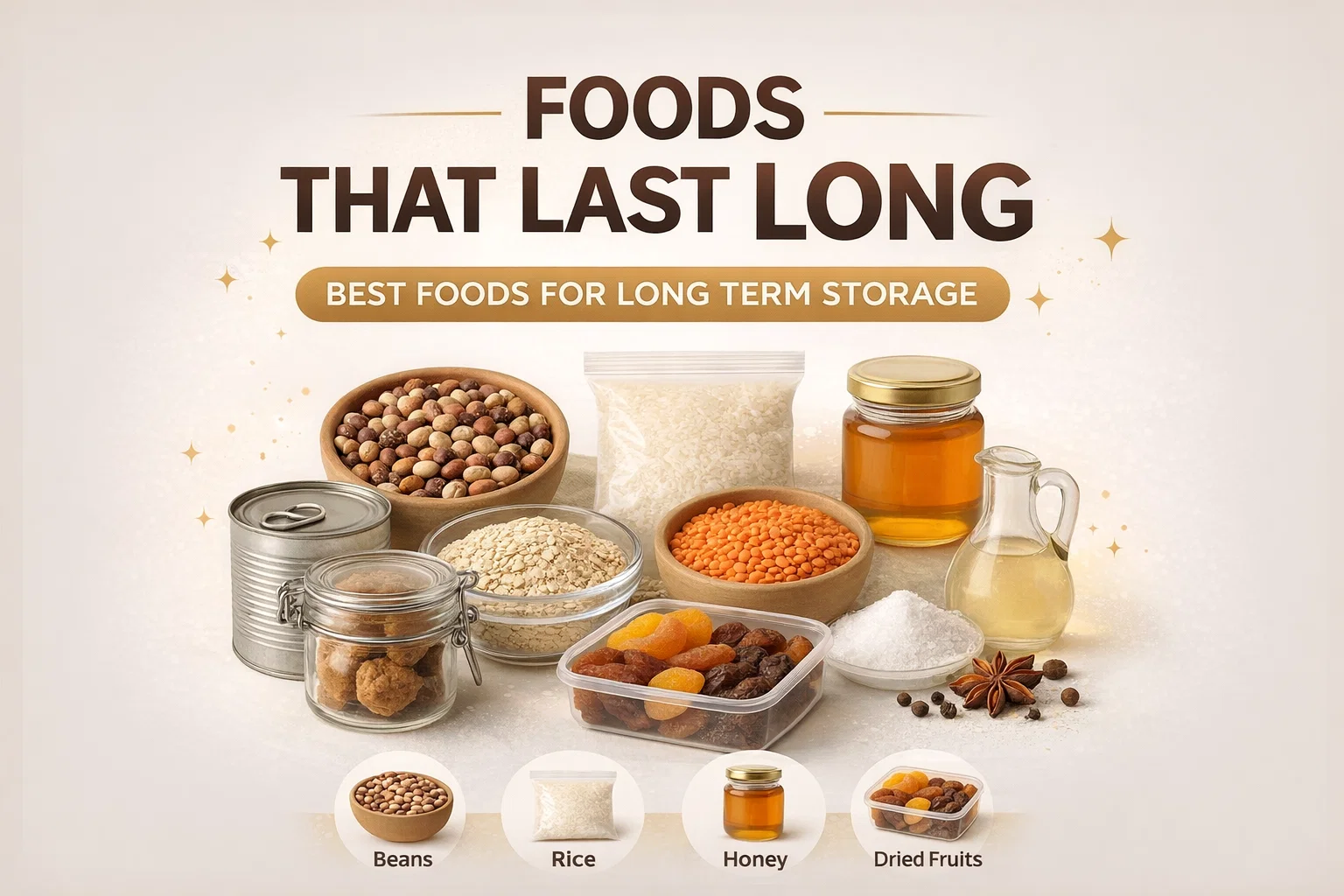
In an era where convenience often comes at the cost of nutrition and sustainability, there is a growing movement toward returning to the basics. Building a resilient kitchen is not just for survivalists or those preparing for emergencies; it is a practical, cost-effective, and stress-free way to manage your household. By understanding which foods have an incredible shelf life, you can reduce your trips to the grocery store, cut down on food waste, and always have the ingredients for a healthy, home-cooked meal right at your fingertips. The image provided highlights a selection of culinary powerhouses that can stay fresh for months or even years, forming the backbone of a dependable pantry.
The Science Behind Long Lasting Foods
To truly appreciate why certain staples like honey, rice, and salt stay edible for so long, we have to look at the science of food preservation. Most food spoilage is caused by microorganisms such as bacteria, yeast, and mold. These tiny organisms require specific conditions to thrive, including moisture, oxygen, and a friendly pH level. The foods featured in our guide have natural properties that make them hostile environments for these microbes.
For example, honey is naturally acidic and very low in moisture, which prevents bacteria from growing. Salt and sugar (like jaggery) are hygroscopic, meaning they draw moisture out of their surroundings, effectively dehydrating any bacteria that might try to take hold. Dried goods like beans and lentils have had their water content removed, which puts microbial activity on a permanent pause. When you understand these principles, you can better manage your storage conditions to ensure your food stays safe and delicious for the long haul.
Dry Goods: The Foundation of Every Pantry
Dry staples are the most versatile items you can own. They are calorie-dense, easy to store, and can be transformed into hundreds of different dishes. Let us look at the top contenders for your long-term storage plan.
Rice and Grains
White rice is a legendary long-term storage food. When sealed tightly in a cool, dry place, white rice can maintain its quality for up to 30 years. It is important to note that white rice lasts much longer than brown rice because the natural oils in brown rice can go rancid over time. For the best results, store your rice in airtight containers or Mylar bags with oxygen absorbers to keep it as fresh as the day it was harvested.
Dried Beans and Lentils
Dried legumes are a nutritional powerhouse, offering high amounts of protein and fiber. Whether it is chickpeas, kidney beans, or vibrant orange lentils, these items can store safely for years. While they might require a bit more cooking time as they get older, their nutritional value remains largely intact. They are the perfect base for soups, stews, and salads, providing a satisfying texture that mimics meat in many recipes.
Oats and Flour
Oats are another fantastic grain that stays fresh in containers for a significant amount of time. They are perfect for breakfast, baking, or even as a thickener for savory dishes. Flour also has a decent shelf life, especially when kept sealed and away from moisture. To extend the life of your flour even further, consider storing it in the freezer if you have the space, as this prevents pantry pests from finding their way in.
The Flavor Preservers: Spices and Sweeteners
A pantry full of grains and beans is functional, but it is the spices and sweeteners that make food enjoyable. These items do more than just add flavor; many of them have preservative qualities of their own.
The Magic of Honey
Honey is one of the only foods that truly never spoils. Archaeologists have actually found pots of honey in ancient Egyptian tombs that are thousands of years old and still perfectly edible. Over time, honey may crystallize and turn cloudy or hard, but this is a natural process and does not mean it has gone bad. You can easily return it to a liquid state by placing the jar in a bowl of warm water.
Whole Spices and Salt
Salt is a mineral, not a biological product, so it can last indefinitely as long as it stays dry. It is perhaps the most essential item in any kitchen, used for seasoning, curing, and preserving other foods. Whole spices, such as cinnamon sticks, star anise, and peppercorns, retain their flavor for much longer than ground versions. By keeping whole spices in your pantry and grinding them as needed, you ensure that your meals always have a punch of fresh, vibrant flavor.
Jaggery and Natural Sugars
Jaggery, a traditional non-centrifuged cane sugar, can last for months in dry jars. Like refined sugar, its high sugar concentration acts as a natural preservative. It adds a deep, molasses-like sweetness to dishes and is a great alternative to processed sugars for those looking for a more traditional ingredient.
Liquid Staples and Preserved Goods
Beyond dry powders and grains, certain liquids and pre-packaged goods are essential for a complete kitchen. These items provide the acidity and moisture needed to balance out your cooking.
Vinegar: The Eternal Liquid
Vinegar is another item that remains stable indefinitely. Because of its high acidity, it is self-preserving and does not require refrigeration. Whether you use white vinegar for cleaning and pickling or apple cider vinegar for cooking and health tonics, you never have to worry about it expiring. It is a versatile tool for any home cook.
Canned Foods
While fresh produce is wonderful, canned foods are the ultimate backup. Modern canning processes ensure that fruits, vegetables, and meats stay safe to eat for several years. While the texture or vitamin content might degrade slightly after a long time, the food remains safe as long as the can is not dented, rusted, or swollen. They are a great way to add variety to your diet when fresh options are unavailable.
Dried Fruits
Dried fruits like apricots, raisins, and dates provide a concentrated source of energy and vitamins. When stored in airtight boxes, they can stay chewy and sweet for a long time. They make excellent snacks and can be chopped up to add a burst of sweetness to your morning oats or evening salads.
Tips for Optimal Food Storage
Even though the foods listed above are naturally long-lasting, the way you store them will determine exactly how long they stay at peak quality. Here are a few professional tips to help you get the most out of your pantry staples.
- Keep it Cool: Heat is the enemy of shelf life. Store your pantry items in the coolest part of your home, away from the stove or direct sunlight.
- Keep it Dry: Humidity can cause grains to mold and salts to clump. Use silica gel packets or airtight containers to manage moisture.
- Air is the Enemy: Oxygen can cause fats to go rancid and flavors to fade. Invest in quality jars with gaskets or vacuum-sealed bags for long-term storage.
- The FIFO Method: This stands for First In, First Out. Always rotate your stock so that you are using the oldest items first, ensuring nothing sits in the back of the cupboard for too long.
- Check for Pests: Use sealed glass or heavy plastic containers to prevent insects from getting into your grains and flours.
The Benefits of a Well Stocked Pantry
Maintaining a stock of long-lasting food is about more than just being prepared for a rainy day. It changes the way you interact with your kitchen and your finances. When you have the essentials on hand, you are less likely to rely on expensive takeout or processed convenience foods. You have the freedom to experiment with new recipes and the security of knowing that your family is taken care of no matter what happens in the outside world.
Furthermore, buying these staples in bulk when they are on sale can lead to significant savings over time. Since these items do not spoil quickly, there is no risk in buying a large bag of rice or several jars of honey. It is an investment in your future health and happiness.
Conclusion
Transforming your kitchen into a sanctuary of sustainability starts with a single step: choosing the right ingredients. By focusing on foods that last really long, you are building a foundation of resilience and culinary creativity. From the timeless sweetness of honey to the versatile nutrition of dried beans and the essential seasoning of salt, these twelve staples are the keys to a smarter, more efficient home. Start today by organizing your cabinets, investing in some airtight jars, and stocking up on these enduring essentials. Your future self will thank you for the peace of mind and the delicious meals that are always just a pantry door away.