12 Powerful Benefits of Fruit for Holistic Health Natural Remedies Wellness Tips
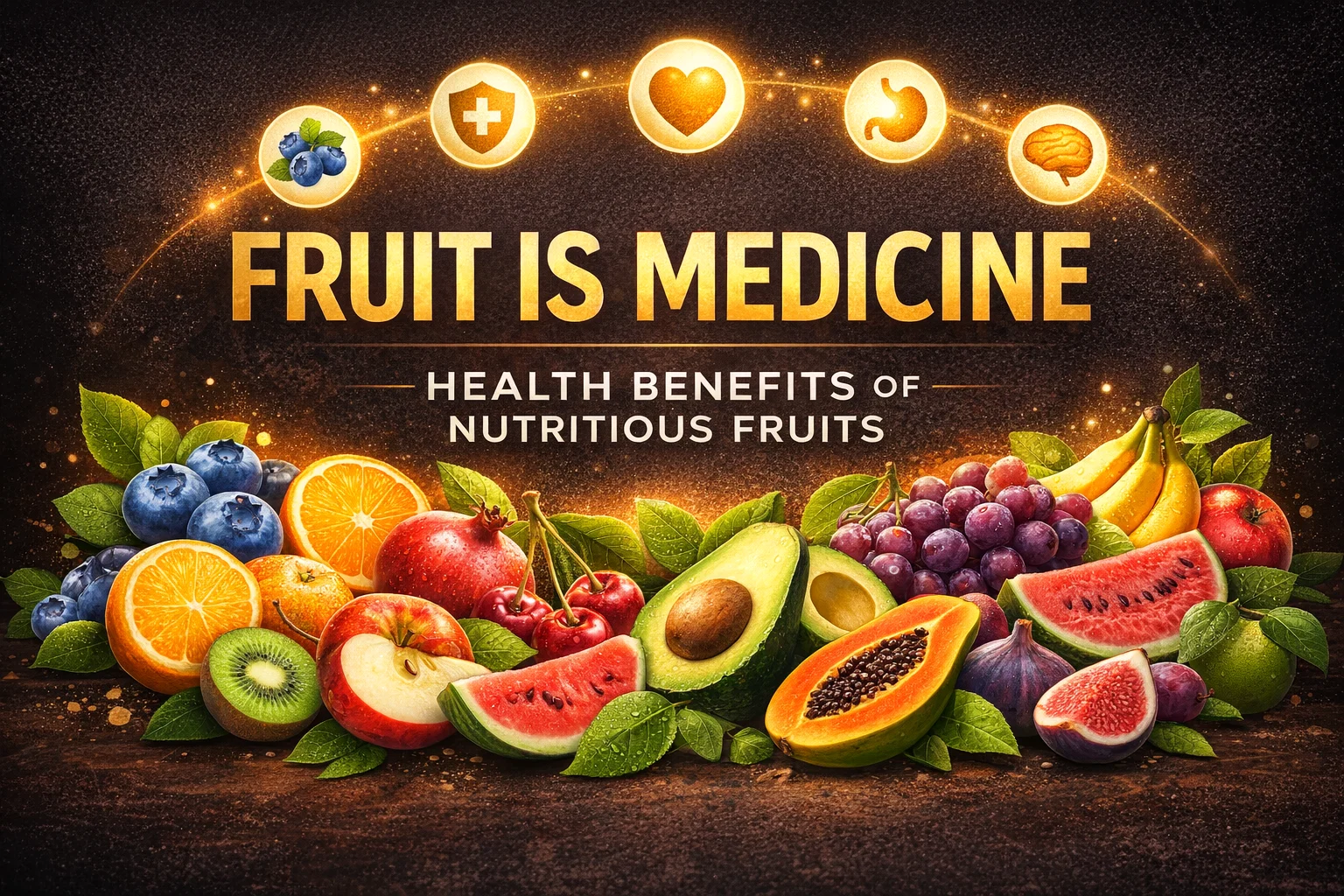
Eating for your health does not have to be complicated or involve expensive supplements. Nature has already provided us with a vibrant, delicious, and incredibly potent pharmacy right in the produce aisle. The concept that fruit is medicine is more than just a catchy phrase; it is a nutritional reality backed by science. When we look at the deep blues of a handful of blueberries or the rich red of a sliced pomegranate, we are looking at specific phytochemicals and nutrients designed to support our biological systems. By understanding how each fruit interacts with our bodies, we can move beyond simple snacking and start nourishing our cells with intention.
The Power of Antioxidants: Protecting Your Brain and Body
One of the most significant ways fruit acts as medicine is through the delivery of antioxidants. These compounds are essential for neutralizing free radicals, which are unstable molecules that can damage cells and contribute to aging and disease. Blueberries are often cited as the gold standard in this category. They contain high levels of anthocyanins, which are responsible for their dark color and their ability to cross the blood brain barrier. This means they can directly support cognitive function and reduce oxidative stress in the brain.
Recent studies have shown that consistent consumption of these berries can lower inflammation markers by significant margins, often ranging from 25 to 30 percent. This is vital because chronic inflammation is at the root of many modern health issues. By incorporating these small but mighty fruits into your daily routine, you are essentially providing your brain with a protective shield against the wear and tear of daily life.
Improving Circulation with Pomegranate and Watermelon
Heart health and circulation are foundational to overall vitality. Pomegranates are legendary for their ability to support the cardiovascular system. They work by improving blood flow efficiency and protecting the lining of the arteries. The compounds found in pomegranates help to ensure that oxygen rich blood can reach every corner of your body, which boosts energy levels and supports organ function.
Watermelon is another surprising ally for your circulatory system. While many see it as just a hydrating summer treat, it contains a specific amino acid called citrulline. This nutrient has been shown to improve blood flow by about 15 percent by helping the blood vessels relax and dilate. Whether you are an athlete looking for better recovery or simply want to support your heart health, these fruits provide a natural and refreshing way to keep your blood moving smoothly.
Natural Sleep Aids: Fruit for Rest and Recovery
In a world where many people struggle with sleep, fruit offers a natural alternative to synthetic aids. Tart cherries are perhaps the most famous example of this. They are one of the few natural food sources of melatonin, the hormone that regulates your sleep wake cycle. By consuming tart cherry juice or the whole fruit, you can naturally increase your body’s melatonin levels, helping you fall asleep faster and stay asleep longer.
Beyond just sleep, tart cherries are excellent for muscle recovery. The same anti inflammatory properties that help your heart also work to soothe sore muscles after a workout. This makes them a perfect post exercise snack for anyone looking to bounce back quickly. Similarly, kiwi has emerged as a powerhouse for rest. Research suggests that eating kiwi can improve sleep duration and quality by about 10 to 15 percent, likely due to its high serotonin content and antioxidant levels.
The Role of Magnesium and Potassium in Relaxation
Mineral balance is crucial for a calm nervous system. Bananas are a household staple for a reason. They are packed with potassium and vitamin B6, which are essential for nerve function and muscle relaxation. If you often feel tense or suffer from leg cramps, the potassium in a banana can help regulate those signals and promote a sense of physical ease.
Figs are another incredible source of minerals that often go overlooked. They provide a unique blend of calcium and magnesium, which are vital for both bone health and relaxation. Magnesium is known as the relaxation mineral because it helps the body shift into a parasympathetic state, which is necessary for digestion and rest. Adding a few fresh or dried figs to your diet can help bridge the gap in these essential minerals.
Digestive Health: Enzymes and Fiber from the Orchard
Your gut is the center of your immune system and overall wellbeing. Fruit supports digestion in two primary ways: through enzymes and fiber. Papaya is a standout in this category because it contains an enzyme called papain. This enzyme is incredibly effective at breaking down proteins, making it a perfect after meal snack to prevent bloating and support efficient digestion. If you find that heavy meals leave you feeling sluggish, a few slices of papaya can make a world of difference.
Apples are the ultimate gut health companion. They are rich in pectin, a type of soluble fiber that acts as a prebiotic. This means it feeds the beneficial bacteria in your gut, helping your microbiome thrive. A healthy microbiome is linked to better mood, stronger immunity, and clearer skin. As the pectin ferment in your digestive tract, it produces short chain fatty acids that protect the lining of your colon and reduce inflammation.
Hormonal Balance and Nutrient Absorption with Healthy Fats
While most fruits are known for their carbohydrates and vitamins, the avocado brings something different to the table: healthy fats. These monounsaturated fats are essential for hormonal balance. Many of our hormones are built from fats, so consuming adequate amounts is necessary for keeping your endocrine system running smoothly.
Furthermore, avocados are the ultimate tag team partner for other nutrients. Many vitamins, such as vitamins A, D, E, and K, are fat soluble, meaning your body cannot absorb them without the presence of fat. By adding avocado to a salad or eating it alongside other fruits and vegetables, you are significantly increasing the nutrient absorption of your entire meal. This ensures that the medicine you are consuming actually gets to where it needs to go.
Immunity and Cellular Protection
We cannot talk about fruit as medicine without mentioning oranges and the power of vitamin C. Oranges provide a direct boost to the immune system, but they also support adrenal health. During times of stress, your adrenal glands use up vitamin C rapidly. By replenishing this supply through citrus fruits and the flavonoids they contain, you are helping your body manage stress more effectively while staying protected against seasonal illnesses.
Grapes also offer profound cellular protection through a compound called resveratrol. This phytonutrient, found mostly in the skins of purple and red grapes, has been studied for its ability to support vascular health and longevity. It works at a cellular level to protect against damage and support the healthy aging of your tissues. It is a reminder that the medicine in fruit is not just about fixing a current problem but also about building long term resilience.
Hydration: More Than Just Water
Proper hydration is about more than just drinking water; it is about mineral balance and cellular uptake. Fruits like watermelon and oranges are naturally high in water content, but they also come with electrolytes and natural sugars that help that water enter your cells more effectively. This cellular hydration is what keeps your skin glowing, your joints lubricated, and your brain sharp. Choosing hydrating fruits is a delicious way to meet your fluid needs while getting a bonus dose of vitamins.
Creating a Lifestyle Around Fruit as Medicine
Integrating these healing foods into your life does not require a radical diet overhaul. It starts with small, intentional choices. Instead of reaching for a processed granola bar, try a banana for sustained energy and nerve support. If you find yourself tossing and turning at night, consider a bowl of tart cherries or a kiwi an hour before bed. The beauty of using fruit as medicine is that it is additive rather than restrictive. You are adding color, flavor, and vitality to your plate.
Common Benefits of Medicinal Fruits:
- Reduced Inflammation: Berries and cherries help lower the body’s inflammatory response.
- Improved Digestion: Enzymes from papaya and fiber from apples keep the gut moving.
- Enhanced Mental Clarity: Antioxidants in dark fruits protect neurons and cognitive function.
- Natural Energy: The healthy sugars and B vitamins in fruits like bananas provide steady fuel.
- Better Sleep: Melatonin and serotonin boosters like cherries and kiwi promote rest.
As you begin to view the fruit bowl as a source of healing, you will likely find that your cravings change. Your body begins to recognize the specific nutrients it needs and guides you toward the fruits that will provide the most benefit in that moment. This intuitive way of eating is the ultimate goal of holistic health.
Conclusion: Nature’s Sweetest Prescription
The transition toward a holistic lifestyle is a journey of rediscovering what the earth has to offer. Fruit is one of the most accessible and enjoyable forms of natural medicine available to us. By selecting fruits based on their specific health benefits, you are taking an active role in your own wellness. Whether you are seeking to soothe your digestive system, sharpen your mind, or simply stay hydrated, there is a fruit designed by nature to help you achieve that goal.
Start today by picking one or two fruits mentioned here and making them a consistent part of your week. Pay attention to how your body feels, how your energy shifts, and how your sleep improves. Nature’s pharmacy is open, and the prescriptions are as sweet as they are powerful. Embrace the healing power of fruit and let your food be your medicine.