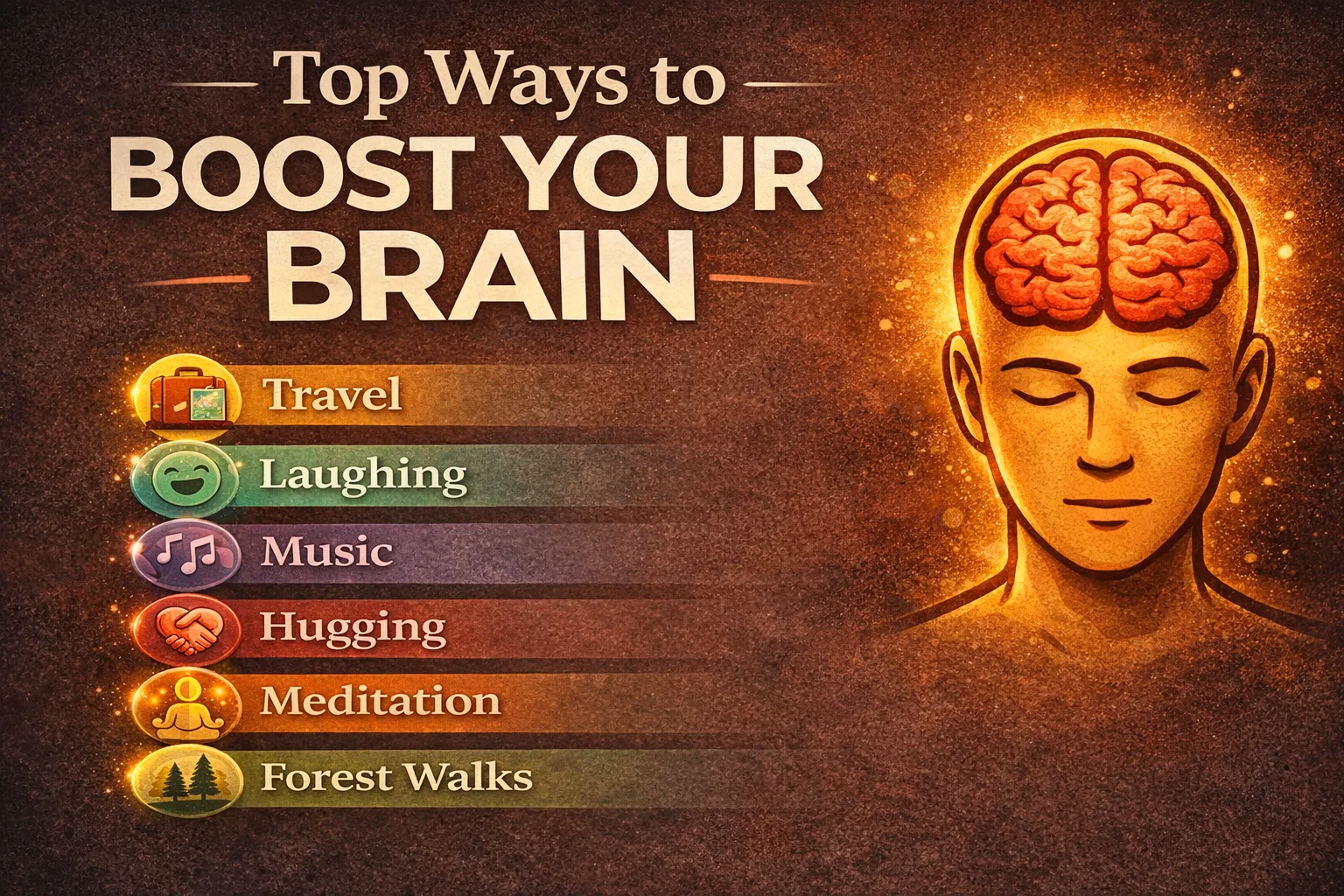
12 Proven Ways to Boost Your Brain Power Naturally Cognitive Health Tips
We often spend countless hours focusing on our physical fitness, tracking our steps, and monitoring our protein intake, but how often do we stop to consider the health of the engine driving it all? Your brain is the most complex organ in your body, acting as the command center for every thought, emotion, and physical movement you make. Just like a muscle, it requires the right environment, nutrients, and stimulation to function at its peak. In a world that is increasingly fast paced and digitally demanding, taking a proactive approach to cognitive wellness is no longer a luxury; it is a necessity for a high quality life.
The journey to a sharper, more resilient mind does not have to involve expensive supplements or complex medical procedures. Instead, the most profound impacts often come from the simple, daily choices we make. By understanding how different lifestyle factors influence neural pathways, we can unlock a level of mental clarity and emotional balance that many people think is out of reach. Let us dive deep into the essential pillars of brain health and explore how you can start boosting your cognitive power today.
The Cognitive Power of Exploration and Travel
Travel is often seen as a way to escape reality, but from a neurological perspective, it is one of the best ways to expand your reality. When you visit a new place, your brain is forced to process an enormous amount of novel information. New sights, unfamiliar sounds, different languages, and even the challenge of navigating a foreign subway system all trigger the growth of new neural connections. This process is known as neuroplasticity, which is the brains ability to reorganize itself by forming new neural connections throughout life.
Stepping outside of your comfort zone breaks the routine of repetitive thought patterns. When you are in a new environment, you are more mindful and present because you cannot rely on autopilot to get through the day. This heightened state of awareness strengthens the prefrontal cortex, the area of the brain responsible for executive function and decision making. Whether it is a trip across the globe or a weekend hike in a neighboring town, the act of exploration keeps your mind flexible and youthful.
Finding Balance Through Mindfulness and Meditation
In our modern era, the brain is constantly bombarded with notifications, deadlines, and social media feeds. This leads to a state of chronic stress that can actually shrink the hippocampus, the part of the brain responsible for memory and learning. Meditation serves as the ultimate antidote to this digital chaos. By practicing stillness, you are essentially training your brain to focus on the present moment, which lowers cortisol levels and reduces the “fight or flight” response of the amygdala.
Regular meditation has been shown to increase gray matter density in areas associated with emotional regulation and perspective taking. You do not need to spend hours in silence to see results. Even five to ten minutes of focused breathing each day can help calm the nervous system and clear the mental fog that accumulates throughout a busy day. It is a practice of restoration that allows your brain to reset and approach challenges with renewed clarity.
The Role of Deep Sleep in Brain Restoration
Sleep is not just a period of inactivity; it is the brains primary maintenance window. While you are drifting through the stages of deep sleep, your brain is hard at work performing a biological “cleanup.” The glymphatic system becomes highly active during sleep, flushing out metabolic waste products and toxins that build up during your waking hours. One of the most significant substances cleared during this process is beta-amyloid, a protein associated with cognitive decline.
Beyond physical cleaning, sleep is crucial for memory consolidation. This is the process where the brain takes the information you learned during the day and moves it from short term storage into long term memory. Without adequate deep sleep, your ability to learn new skills and retain information is severely compromised. Prioritizing a consistent sleep schedule and creating a dark, cool environment for rest is one of the single most effective things you can do for your long term brain health.
Nourishing the Mind with Natural Food and Sunlight
Your brain is a high energy organ that consumes about twenty percent of your body’s total calories. Therefore, the quality of the fuel you provide is paramount. Natural, whole foods are packed with the antioxidants, healthy fats, and vitamins your brain needs to thrive. Omega-3 fatty acids, found in walnuts and flaxseeds, are essential for maintaining the structural integrity of brain cells. Meanwhile, colorful fruits and vegetables provide phytonutrients that protect the brain from oxidative stress.
Processed foods high in refined sugars can lead to inflammation and “brain fog,” making it difficult to concentrate. Transitioning to a diet rich in leafy greens, berries, and healthy fats provides a steady stream of energy that prevents the mid afternoon mental crash. When you eat for your brain, you are essentially investing in your future cognitive stability.
The Benefits of Vitamin D and Sunlight
Sunlight is another vital “nutrient” for the brain. Exposure to natural light triggers the production of serotonin, the hormone responsible for boosting mood and helping a person feel calm and focused. Furthermore, sunlight is the primary source of Vitamin D, which plays a significant role in brain development and function. Low levels of Vitamin D have been linked to an increased risk of cognitive impairment and mood disorders. Spending just fifteen minutes outdoors each morning can help regulate your internal clock and sharpen your mental edge.
The Social and Emotional Connection
Humans are inherently social creatures, and our brains are wired for connection. Hugging, for example, releases oxytocin, often called the “love hormone.” This chemical reduces blood pressure and lowers stress levels, creating a sense of safety and soothing the brain. Physical touch and emotional intimacy are fundamental to our psychological well being, providing a sense of belonging that buffers against the negative effects of isolation.
Community and social interaction are equally important. Engaging in meaningful conversations and maintaining strong social ties keeps the brain active and engaged. Complex social interactions require us to interpret facial expressions, understand tone of voice, and respond with empathy, all of which provide a vigorous mental workout. People with strong social networks tend to have slower rates of cognitive decline as they age, proving that friendship is indeed good for the soul and the mind.
Creative and Intellectual Stimulation
Music is one of the few activities that involves using almost every part of the brain. Whether you are listening to a complex symphony or playing an instrument, music influences your mood and enhances spatial temporal tasks. It can evoke powerful memories and even improve the brains ability to process speech in noisy environments. Incorporating music into your daily routine is a simple yet powerful way to influence your emotional state and stimulate neural activity.
Reading is another cornerstone of intellectual growth. Unlike watching a video, reading requires the brain to actively construct images, follow complex narratives, and synthesize information. This strengthens the connectivity between different brain regions and improves your vocabulary and analytical thinking skills. By constantly feeding your mind with new ideas through books, you are building a “cognitive reserve” that helps protect against the symptoms of aging.
The Importance of Physical and Digital Movement
Walking in nature, or “forest walking,” combines the benefits of physical exercise with the restorative power of the natural world. The concept of Shinrin-yoku, or forest bathing, suggests that spending time under a canopy of trees can lower heart rates and boost immune function. The fractal patterns found in nature are inherently relaxing to the human eye, allowing the brain to recover from the “directed attention fatigue” caused by urban environments and screen time.
The Necessity of a Phone Detox
Perhaps the most challenging habit to adopt in the twenty first century is the phone detox. Our smartphones are designed to trigger dopamine hits, leading to a cycle of constant checking and fragmented attention. This “continuous partial attention” prevents us from entering a state of deep work or creative flow. By intentionally setting aside time to be away from your devices, you clear the mental clutter and allow your brain to return to its natural state of focus and reflection.
- Exercise Regularly: Physical activity increases blood flow to the brain and stimulates the release of BDNF, a protein that supports the growth of new neurons.
- Laugh Often: Laughter reduces stress hormones and provides a natural “uplift” to your mood and cognitive outlook.
- Stay Hydrated: Even mild dehydration can impair concentration and short term memory.
- Learn a New Skill: Challenging yourself with a new hobby keeps the brain adaptable and builds new neural pathways.
Conclusion: Cultivating a Lifetime of Brain Health
Boosting your brain power is not about a single “magic pill” or a temporary fix. It is about creating a holistic lifestyle that honors the biological and emotional needs of your mind. By integrating travel, laughter, music, and healthy foods into your life, you are providing your brain with the tools it needs to thrive. When you prioritize deep sleep, sunlight, and genuine human connection, you are building a foundation for long term mental resilience.
The beauty of these habits is that they are interconnected. A walk in the forest often leads to better sleep; a healthy meal can improve your mood for social interaction; and a phone detox creates the space for reading and meditation. Start small by choosing one or two areas to focus on this week. As you begin to feel the fog lift and your mental energy return, you will realize that your brain has an incredible capacity for growth and renewal. Treat your mind with the care it deserves, and it will reward you with clarity, creativity, and joy for years to come.