12 Silent Signs of Nutrient Deficiency Hormonal Imbalance Youre Missing
Have you ever spent your afternoon wondering why you are suddenly exhausted after a healthy salad, or why your hands are ice cold even when the thermostat is set to seventy degrees? We often dismiss these small quirks as just a part of getting older or a result of a busy work week. However, your body is an incredibly sophisticated communication system. It rarely throws a tantrum without a reason. When you experience these weird symptoms, they are not just inconveniences; they are biological telegrams. In this guide, we are diving deep into the signals your body is sending you and how you can finally start interpreting them correctly to reclaim your vitality.
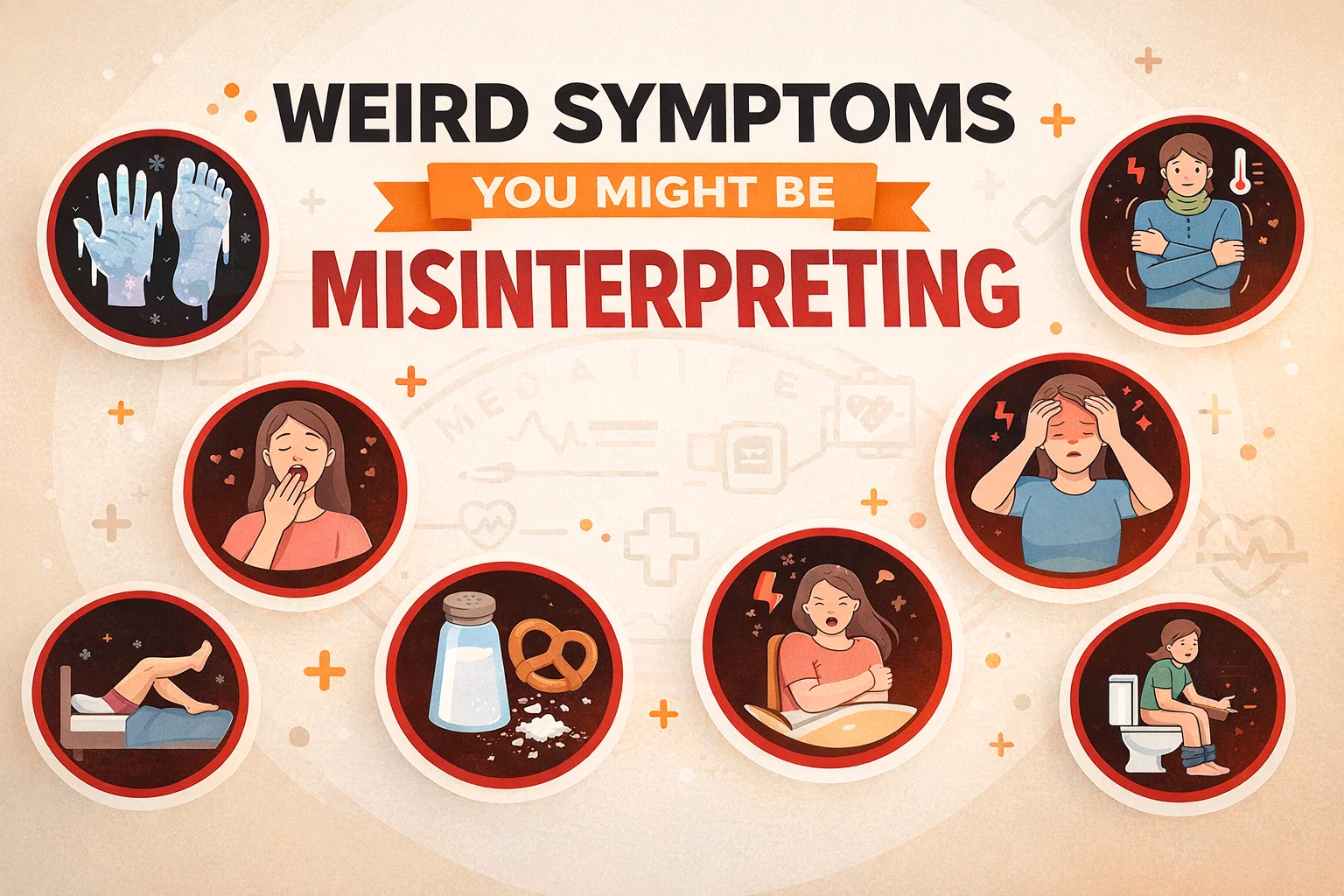
The Mystery of Cold Hands and Feet
Most of us have been told that cold extremities are simply the result of poor circulation. While blood flow is certainly a factor, the root cause often goes much deeper than just needing a thicker pair of socks. If your fingers and toes feel like ice blocks while everyone else is comfortable, your body might be flagging a deficiency in iron or iodine.
Iron is essential for transporting oxygen throughout your system. When levels are low, your body prioritizes sending blood to your vital organs, leaving your hands and feet out in the cold. Similarly, iodine is the fuel for your thyroid gland. Since the thyroid acts as the body’s internal thermostat, a slowdown in thyroid signaling means your metabolic furnace is not burning hot enough to keep you warm.
Is It Just the Room or Your Metabolism?
Feeling cold in warm rooms is a distinct step up from just having cold hands. This pervasive chill often reflects a low basal metabolic rate. If you have been restricted on calories for a long time or are dealing with chronic stress, your body may enter a conservation mode. It begins to prioritize survival over comfort, leading to that bone-deep chill that no amount of layering seems to fix. Understanding this can help you shift your focus from buying heaters to nourishing your endocrine system.
Getty Images
Decoding the Science of Frequent Yawning
We usually associate yawning with boredom or a late night, but it is actually a complex reflex tied to the nervous system. If you find yourself yawning throughout the day despite getting enough sleep, your body might be struggling with nervous system regulation. Yawning can be a way for the body to reset the vagus nerve or shift oxygen delivery to the brain during moments of fatigue recovery.
Think of it as a biological reboot. When your brain perceives a dip in alertness or a shift in blood pH, it triggers a yawn to expand the lungs and increase heart rate slightly. If this happens frequently, it is a sign that your nervous system is stuck in a loop of trying to find balance, often due to high levels of hidden stress or shallow breathing patterns.
The Hidden Connection Between Headaches and Minerals
When a headache strikes, the first instinct for many is to reach for a glass of water or an over the counter painkiller. While dehydration is a common culprit, chronic headaches are frequently tied to a magnesium deficiency or an electrolyte imbalance. Magnesium is responsible for over three hundred biochemical reactions in the body, including muscle relaxation and nerve function.
When magnesium levels drop, blood vessels in the brain can constrict and then dilate, triggering the throbbing sensation we know all too well. Furthermore, if you are consuming plenty of water but neglecting electrolytes like sodium and potassium, you may actually be flushing out the very minerals your nerves need to stay calm. Balancing your mineral intake is often the missing piece of the puzzle for those suffering from tension or migraine-like symptoms.
Why You Crave Salt and Ice
Cravings are rarely about a lack of willpower; they are usually a biological demand for specific nutrients. If you find yourself reaching for the salt shaker or eyeing a bag of pretzels, your body might be dealing with low sodium or mineral loss. This is particularly common in those with high-stress lifestyles, as the adrenal glands require salt to produce stress hormones. Adrenal stress can lead to a state where the body “wastes” salt, causing an intense drive to replenish those levels.
On the other hand, pica, or the craving for non-nutritive substances like ice, is a classic hallmark of iron deficiency. While scientists are still debating exactly why the brain craves the crunch of ice when iron is low, it remains one of the most reliable “weird” indicators that your ferritin levels need a check-up. Instead of fighting the craving, use it as a prompt to look at your blood work.
Getty Images
Explore
Post-Meal Fatigue and Blood Sugar Swings
It is common to feel a bit relaxed after a large holiday meal, but feeling like you need a nap after a standard lunch is a red flag. Getting tired after eating usually points to blood sugar swings or a poor insulin response. When you consume carbohydrates or even certain proteins, your body releases insulin to move glucose into your cells. If your cells are resistant to that insulin, or if your blood sugar spikes too high and then crashes, the result is a sudden “food coma.”
This cycle of spiking and crashing is exhausting for the body. Over time, these insulin responses can lead to more significant metabolic hurdles. Watching for this symptom allows you to adjust your macronutrient ratios, perhaps adding more healthy fats or fiber to stabilize the energy release from your meals.
The Paradox of Bloating After Healthy Foods
One of the most frustrating symptoms is feeling bloated after eating what you consider to be a “clean” or “healthy” meal, such as a large kale salad or a bowl of broccoli. While many people immediately assume they have a food intolerance, the issue might actually be low digestive enzymes or poor bile flow. Raw vegetables and complex fibers require a robust supply of enzymes to break down effectively.
If your gallbladder is sluggish or your stomach acid is low, those healthy greens sit in the digestive tract and ferment, causing gas and pressure. It is not that the food is “bad,” but rather that your digestive machinery needs a tune-up. Supporting your liver and gallbladder health can often turn these healthy meals from a source of discomfort into a source of pure energy.
Shutterstock
Dizziness, Balance, and Electrolytes
Do you ever see stars or feel faint when you stand up too quickly? This is often called orthostatic hypotension, and while it can be related to dehydration, it frequently signals an issue with blood pressure regulation or electrolyte balance. Your body has to work against gravity to pump blood from your legs up to your brain the moment you stand. If your electrolytes are out of whack, the signaling that tells your blood vessels to constrict happens too slowly.
This momentary drop in blood flow to the brain causes that dizzy, lightheaded feeling. Ensuring you have adequate minerals and supporting your autonomic nervous system can help your body react more quickly to these changes in position, keeping you steady on your feet.
Restless Legs and Nighttime Discomfort
Restless Leg Syndrome is often dismissed as a symptom of anxiety or “nerves,” but the physical sensation of needing to move your legs at night is deeply tied to nutrient status. Specifically, low iron and magnesium are the two most common nutritional drivers behind this annoying condition. Iron plays a role in dopamine signaling in the brain, which helps regulate muscle movement.
When iron or magnesium levels are insufficient, the nervous system becomes hyper-excitable. This manifests as that creepy-crawly feeling that only goes away when you kick or pace around the room. Addressing these mineral gaps can often lead to the best sleep you have had in years, proving that it was never “all in your head.”
The Connection Between Stress Tolerance and Magnesium
We often blame our mindset or our personality for how we handle stress. However, poor stress tolerance is frequently linked to depleted magnesium and nervous system fatigue. Magnesium is often referred to as the “anti-stress mineral” because it helps regulate the hypothalamic-pituitary-adrenal (HPA) axis, which is the control center for your stress response.
When you are stressed, your body burns through magnesium at an accelerated rate. If you don’t replace it, your threshold for handling the next stressor drops. Suddenly, small inconveniences feel like major catastrophes. By replenishing these vital minerals, you give your nervous system the buffer it needs to stay calm under pressure.
Why You Feel Better After a Bowel Movement
It might seem random, but many people report a significant lift in mood or a decrease in “brain fog” immediately after a bowel movement. This is not just a coincidence; it reflects the clearance of toxins and hormone metabolites from the system. The gut is a major site for the detoxification of estrogen and other hormones. If things are moving slowly, these substances can be reabsorbed into the bloodstream, leading to symptoms like irritability or lethargy.
When the body successfully eliminates waste, it also reduces the burden on the liver and the immune system. If you notice a dramatic shift in your well-being after using the bathroom, it is a sign that your body is working hard to clear out metabolic “exhaust” and that supporting your daily regularity should be a top priority for your overall health.
Conclusion: Taking Charge of Your Health Signals
Your body is always talking to you. Whether it is a craving for salt, a yawn in the middle of the day, or a sudden chill, these symptoms are valuable data points. By moving away from the idea that these are just “weird quirks” and moving toward an understanding of mineral balance, hormonal signaling, and nervous system health, you can take proactive steps toward feeling your best.
The journey to wellness does not always require massive overhauls. Sometimes, it starts with a small adjustment, like adding electrolytes to your water, increasing your iron intake, or supporting your digestion with enzymes. Pay attention to the patterns, listen to the signals, and remember that your body wants to be in balance. When you give it the right tools and nutrients, it has an incredible capacity to heal and thrive. Stop misinterpreting the signs and start responding to them with the care and nourishment you deserve.