12 Simple Self-Care Tips to Reset Your Mind and Fix a Bad Day Mental Wellness Guide
Life has a funny way of throwing us off balance when we least expect it. One minute you are powering through your to-do list, and the next, you feel a heavy wave of exhaustion or a sudden cloud of brain fog. We have all been there. The modern world is fast, loud, and demanding, often leaving our mental and emotional batteries drained. But what if you did not need a week-long tropical vacation to find your center again? What if the secret to fixing a bad day lay in tiny, intentional shifts that take less than fifteen minutes? By understanding how our bodies and minds react to stress, we can build a personalized toolkit to navigate almost any emotional hurdle that comes our way.
Understanding the Power of Micro-Habits for Mental Wellness
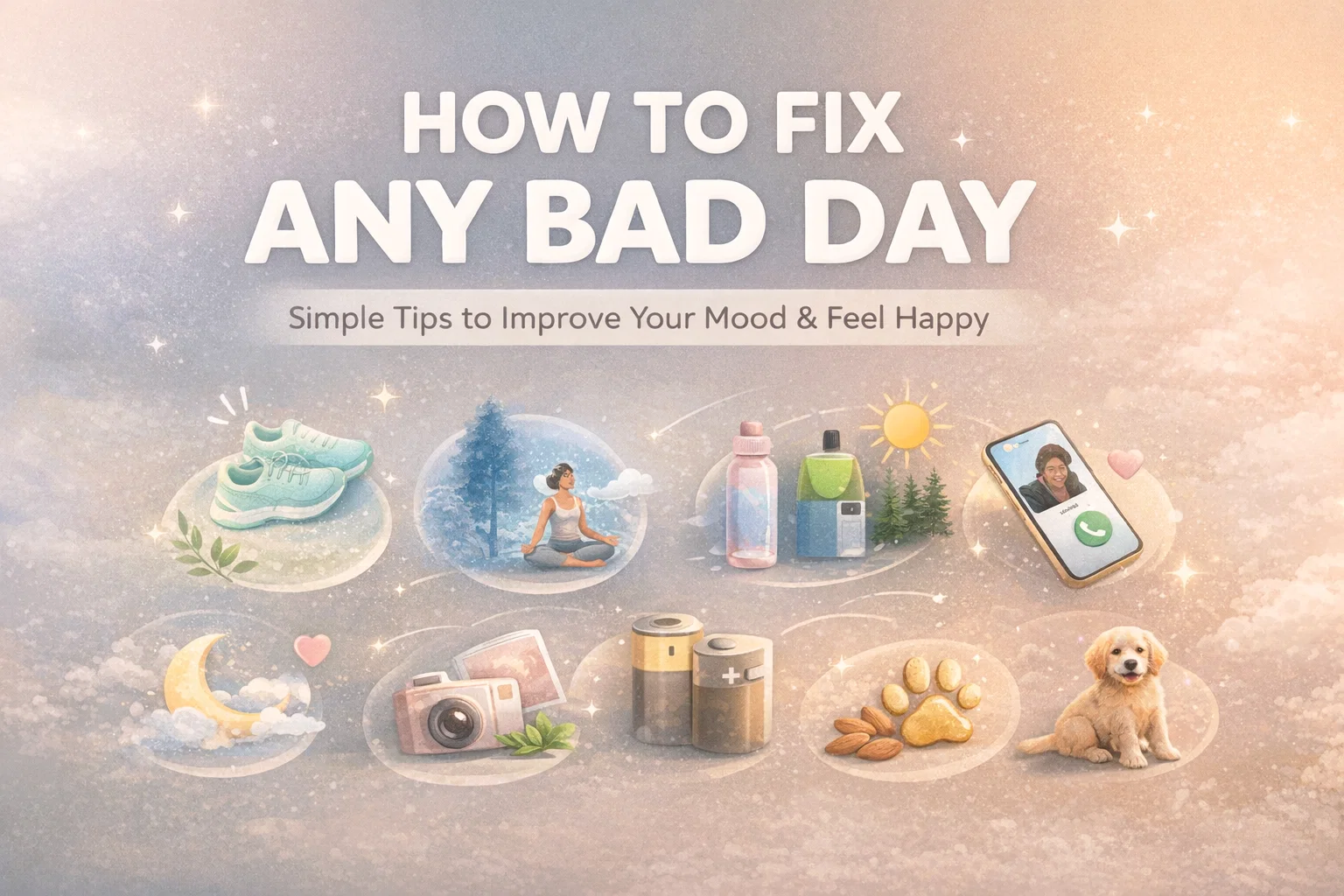
The concept of a micro-habit is simple: it is an action so small that it is almost impossible to fail. When we are feeling burnt out or anxious, the idea of starting a complex new routine feels overwhelming. This is why many of us stay stuck in a negative loop. However, the image we are looking at today highlights a vital truth: small actions yield big biological results. Whether it is a quick splash of cold water or a handful of magnesium-rich almonds, these actions trigger chemical responses in the brain that can shift your mood from survival mode back to a state of flow.
Mental wellness is not about being happy every second of the day. It is about having the resilience to bounce back when things get tough. By focusing on these accessible strategies, you can stop a bad morning from turning into a bad week. Let us dive deep into the specific ways you can tackle common daily struggles and reclaim your peace.
How to Clear Brain Fog and Regain Your Focus
We have all experienced those moments where we stare at a computer screen and the words just won’t make sense. Being unfocused is often a sign that your brain is overstimulated or lacking the necessary endorphins to stay sharp. Instead of reaching for a third cup of coffee, which might just lead to a caffeine crash later, try moving your body.
The Science of the Runner High
Going for a short run or even a brisk walk does more than just burn calories. Physical activity increases blood flow to the brain and triggers the release of endorphins. These are the body’s natural feel-good chemicals. They act as a natural stress-reliever and can help clear out the mental clutter that keeps you from concentrating on your tasks. Even ten minutes of elevated heart rate can act as a mental reset button.
Hydration and Temperature Shocks
If you are feeling tired or sluggish, your body might be crying out for basic biological needs. Dehydration is one of the leading causes of fatigue and poor concentration. A glass of cold water hydrates your cells, while a splash of cold water on your face stimulates the trigeminal nerve, providing an instant jolt of alertness. Combining this with a few minutes of sunlight helps regulate your circadian rhythm, telling your brain that it is time to be awake and productive.
Navigating Emotional Lows: From Sadness to Loneliness
Emotional health is just as important as physical health, yet we often ignore our feelings until they become unbearable. When you feel sad or lonely, the instinct is often to withdraw and isolate. However, science suggests that the opposite approach is usually what helps us heal.
The Healing Power of Music
Music has a direct line to the emotional centers of the brain. If you are feeling sad, playing upbeat, happy music can actually alter your brain chemistry. It encourages the production of dopamine, the neurotransmitter associated with pleasure and reward. Creating a “mood booster” playlist is a proactive way to manage your emotional state when things feel heavy.
Reaching Out for Connection
Loneliness can feel like a heavy weight, but a simple phone call can break that spell. Humans are social creatures by nature. Calling a friend or sending a quick message provides a sense of belonging and validation. If you do not feel like talking to someone you know, even engaging with a positive online community can offer comfort. The goal is to remind yourself that you are not alone in your journey.
Managing Anxiety and Stress with Sensory Tools
Anxiety often feels like a physical buzzing in the body. It is your nervous system stuck in “fight or flight” mode. To fix this, you need to engage your senses to ground yourself in the present moment. This is where the beauty of nature and the comfort of animals come into play.
The Oxytocin Boost from Pets
If you have a dog or a cat, you have a built-in therapist. Petting an animal has been shown to lower cortisol (the stress hormone) and increase oxytocin. Oxytocin is often called the “cuddle hormone” because it promotes feelings of trust and relaxation. Spending just five minutes focused on the soft fur and rhythmic breathing of a pet can significantly lower your heart rate and calm an anxious mind.
Nature Micro-Walks
When you feel burnt out, your brain is likely suffering from “attention fatigue.” Constant notifications, podcasts, and music keep our minds working even when we think we are relaxing. A nature micro-walk is the antidote. By walking for 15 minutes without any digital distractions, you allow your mind to enter a state of “soft fascination.” Looking at trees, clouds, or birds allows your cognitive resources to replenish, helping you return to work feeling refreshed.
Fueling Your Body to Protect Your Mind
We often forget that the brain is an organ that requires specific fuel to function correctly. Our diet plays a massive role in how we handle stress and regulate our emotions throughout the day. If you find yourself feeling “hangry” or irritable, it might be a blood sugar issue rather than a personality flaw.
- Stabilize with Almonds: Almonds are a powerhouse snack for mental health. They are rich in healthy fats, protein, and magnesium. Magnesium is crucial for nervous system health and can help stabilize blood sugar levels, preventing the mood swings associated with sugar crashes.
- Mindful Eating: Taking a moment to actually enjoy your food rather than eating on the go can improve digestion and give you a necessary mental break.
Overcoming Doubt and Finding Fulfillment
Sometimes the day feels “off” because we are stuck in a cycle of self-doubt or we feel a sense of emptiness. These are more existential struggles, but they still have practical solutions. When you are in doubt, you likely lack perspective. Asking for advice from a mentor or a trusted friend can provide the external insight you need to move forward.
The Micro-Adventure
If you feel empty or bored with your routine, it is time for a micro-adventure. This does not mean booking a flight. It means doing something outside of your normal routine. Try a new coffee shop, take a different route home, or visit a local park you have never been to. Curiosity is the enemy of emptiness. By sparking your sense of wonder, you remind yourself that the world is full of possibilities.
Gratitude Journaling for Worry
Worry is essentially a misuse of the imagination. We spend our energy imagining things going wrong. Gratitude journaling flips the script. By writing down three things you are thankful for, you train your brain to look for the positive. This shift in focus doesn’t just make you feel better in the moment; it actually strengthens the neural pathways associated with positivity over time.
The Importance of Doing Nothing
In a society that glorifies the “hustle,” we have forgotten the art of being still. If you are constantly busy, your mental batteries are likely running on empty. Embracing a moment of doing absolutely nothing is not lazy; it is a vital part of the recharge process. Set a timer for five minutes, sit in a comfortable chair, and just breathe. Do not check your phone. Do not plan your next meal. Just exist. This brief period of stillness allows your nervous system to reset and prevents long-term burnout.
Conclusion: Building Your Personal Reset Toolkit
Fixing a bad day is not about a single “magic pill.” It is about a collection of small, intentional choices that honor your physical and emotional needs. The next time you feel unfocused, anxious, or overwhelmed, refer back to these strategies. Remember that it is okay to take a break, it is okay to ask for help, and it is okay to prioritize your peace over your productivity.
By integrating these micro-habits into your daily life, you develop emotional resilience. You learn that while you cannot always control what happens to you, you can always control how you respond. Start small today. Maybe it is a glass of water, a quick walk, or a moment of gratitude. Whatever you choose, know that you have the power to turn your day around and find your balance once again.