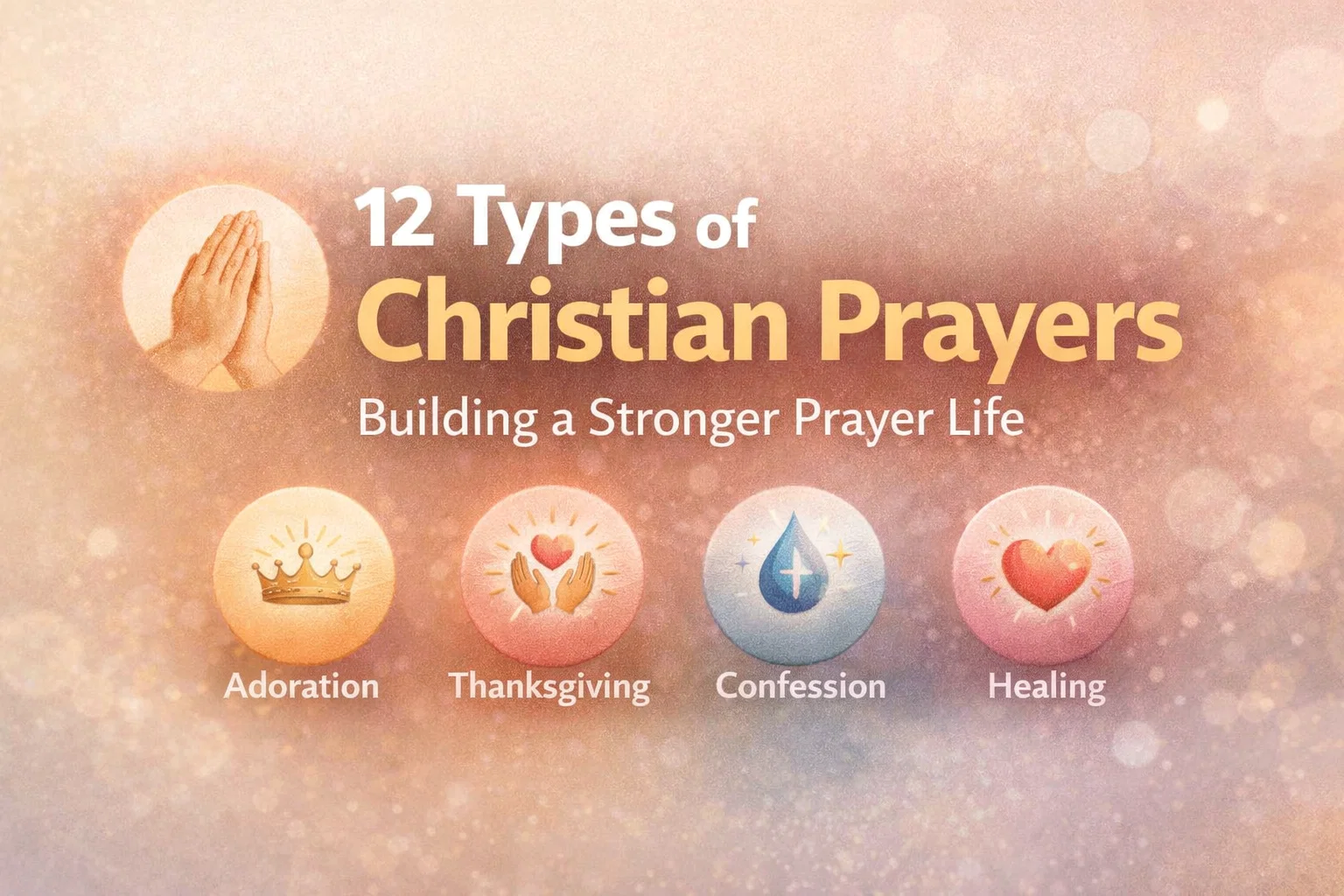
12 Types of Christian Prayers Every Believer Should Know How to Build a Stronger Prayer Life
Building a vibrant and consistent prayer life is one of the most rewarding journeys a believer can undertake. It is the spiritual lifeline that connects our hearts to the Creator, providing a direct channel for communication, reflection, and transformation. However, many people find themselves stuck in a repetitive cycle, praying the same few sentences every day without feeling a deeper sense of connection. Understanding the different types of Christian prayers is not just about learning theology; it is about expanding your vocabulary with God and discovering new ways to experience His presence. When we diversify our prayer life, we move beyond simple requests and enter into a multifaceted relationship that touches every area of our existence.
The Foundations of a Stronger Prayer Life
Prayer is often described as the breath of the soul. Just as our physical bodies require a steady intake of oxygen to function, our spirit requires regular communion with God to remain healthy and resilient. The image of an open Bible next to a warm cup of coffee and a glowing candle perfectly captures the essence of a dedicated prayer time. It suggests a space that is quiet, intentional, and welcoming. To build a stronger prayer life, we must first recognize that prayer is a conversation rather than a monologue. It involves both speaking our hearts and listening for the still, small voice of the Holy Spirit.
Many believers struggle because they feel they do not have the right words or because they think prayer has to follow a rigid, formal structure. In reality, God desires honesty and intimacy. By exploring various forms of prayer, such as adoration, thanksgiving, and intercession, we can find the right approach for every season of life. Whether you are in a period of great joy or walking through a dark valley, there is a specific way to reach out to God that will bring comfort and clarity to your soul.
Adoration: Worshiping God for Who He Is
The journey of prayer often begins with adoration. This is the act of worshiping God simply for His character, His attributes, and His holiness. Unlike other forms of prayer where we might ask for something, adoration focuses entirely on the nature of God. We praise Him because He is sovereign, because He is love, and because He is the Alpha and the Omega. When we start our prayers with adoration, it shifts our perspective from our problems to the magnitude of the One who holds the universe in His hands.
The Power of Praising God’s Character
Adoration helps us realign our hearts with the truth. When life feels chaotic, reminding ourselves that God is our Rock and our Fortress provides immediate stability. You might use phrases like, Lord, You are worthy of all praise, or Father, Your mercy is everlasting. This type of prayer is foundational because it humbles us and acknowledges the divine order. It prepares our hearts to receive His guidance and reminds us that no matter what we face, God is greater.
The Heart of Thanksgiving and Gratitude
Thanksgiving is the practice of expressing gratitude for what God has done, is doing, and will do in our lives. It is a powerful weapon against discontentment and anxiety. While adoration focuses on who God is, thanksgiving focuses on His works. This includes the big miracles, like a physical healing or a financial breakthrough, as well as the small, daily blessings like a beautiful sunrise or a kind word from a friend.
Cultivating a heart of gratitude changes our internal atmosphere. It is difficult to remain bitter or fearful when you are actively listing the ways God has provided for you. A simple prayer of gratitude, such as Thank You, Lord, for every blessing, can shift your entire mood and outlook. By making thanksgiving a regular part of your routine, you develop a spiritual lens that looks for the goodness of God in every situation.
Confession: The Path to Repentance and Renewal
Confession is perhaps one of the most overlooked types of prayer, yet it is vital for maintaining a healthy relationship with God. Confession involves admitting our sins, shortcomings, and mistakes to the Lord. It is not about wallowing in guilt, but about seeking the cleansing and renewal that only Christ can provide. When we confess, we bring our darkness into His light, allowing His grace to wash over us.
Finding Freedom Through Honesty
The goal of confession is restoration. When we pray, Cleanse my heart, Lord, we are asking for a fresh start. This process removes the barriers that sin creates between us and God, allowing for an unhindered flow of His Spirit. A lifestyle of confession keeps us humble and sensitive to the leading of the Holy Spirit, ensuring that we stay on the path of righteousness and integrity.
Supplication: Bringing Your Personal Requests to the Father
Supplication is the type of prayer most people are familiar with. It involves making specific requests for our needs and desires. God invites us to bring our burdens to Him and to ask for His provision and guidance. Whether it is a request for wisdom in a difficult decision, physical sustenance, or emotional strength, supplication is an expression of our total dependence on God.
The beauty of supplication is that nothing is too small or too big for God. He cares about the details of your life. When you pray, Provide and guide me, Father, you are exercising faith and trusting that He hears you. However, it is important to balance supplication with other forms of prayer so that our relationship with God does not become purely transactional.
Intercession: Standing in the Gap for Others
Intercession is the act of praying on behalf of other people. This is a selfless form of prayer where we lift up our friends, family, community, and the world at large. As believers, we are called to be a royal priesthood, and part of that role is interceding for those who are hurting, lost, or in need of a miracle. Intercessory prayer can change the course of lives and even nations.
How to Pray for Others Effectively
- Identify specific needs within your circle of influence.
- Pray for the salvation of those who do not yet know Christ.
- Ask for healing and strength for those battling illness or grief.
- Pray for leaders and those in positions of authority.
When we pray, Heal and strengthen them, we are participating in God’s work on the earth. Intercession expands our hearts and helps us develop a deeper compassion for the people around us. It is a tangible way to love our neighbors as ourselves through the power of the Spirit.
Faith and Trusting in God’s Promises
Praying in faith means standing on the promises found in the Word of God. This type of prayer is bold and confident. It is not based on our feelings or our current circumstances, but on the unshakeable truth of the Bible. When we pray with faith, we are declaring that we believe God’s power is greater than our problems. We say, I believe in Your power, and we trust that His Word will not return void.
Building a prayer of faith requires us to be students of the Scriptures. The more we know what God has promised, the more effectively we can pray. This creates a cycle of spiritual growth where our knowledge of the Bible fuels our prayers, and our prayers strengthen our faith in the Bible.
Deliverance and Seeking Freedom in Christ
Deliverance prayer is focused on seeking freedom from spiritual bondages, addictions, or negative patterns of thinking. Christ came to set the captives free, and prayer is a primary way we access that freedom. This involves asking God to break chains and to remove any influence that hinders our spiritual progress. A simple but powerful cry of Set me free, Lord, can initiate a profound transformation in a person’s life.
Freedom in Christ is not just about the absence of struggle, but the presence of His peace and authority. Deliverance prayers often involve declaring the victory that has already been won at the cross. It is an assertive form of prayer that claims the inheritance of peace and joy that belongs to every child of God.
Healing: Restoration and Strength for Body and Soul
God is our Healer, and praying for healing is a central part of the Christian experience. This includes physical healing from sickness, emotional healing from trauma, and spiritual healing from brokenness. When we pray, Touch me, Jesus, we are inviting the Great Physician to do a work in us that no human can accomplish. Healing prayer requires patience and a deep trust in God’s timing and His perfect will.
Restoration is a key theme in healing prayer. God does not just want to fix what is broken; He wants to make us whole and stronger than before. Whether you are praying for yourself or someone else, the focus remains on the compassion and power of Christ to bring life back to areas that have been affected by decay or pain.
Consecration and United Prayer
Consecration is the prayer of surrender. It is where we say, Let Your will be done, and dedicate our lives entirely to God’s purposes. This is often a prayer of transition or deep commitment. Similarly, united prayer involves joining with other believers to seek God’s face. There is a special power when the church comes together in agreement. Consecrating ourselves as a community ensures that we are moving in the same direction and following the leading of the Lord.
The Benefits of praying Together
United prayer fosters unity and mutual encouragement. When we hear others pray, it strengthens our own faith and reminds us that we are part of a larger body. It is in these moments of collective surrender and petition that great spiritual movements often begin. Whether in a small group or a large congregation, praying together is essential for the health of the church.
Conclusion: Growing Your Faith Daily
A stronger prayer life is not built overnight; it is developed through daily practice and a willing heart. By incorporating these twelve types of Christian prayers into your routine, you will find that your relationship with God becomes more vibrant and meaningful. You will move from a place of ritual to a place of relationship, experiencing the fullness of what it means to walk with the Father. Remember to pray, believe, and grow in faith every single day. As you open your heart to these different forms of communication, you will discover that God is always ready to listen, to speak, and to transform your life in ways you never thought possible.