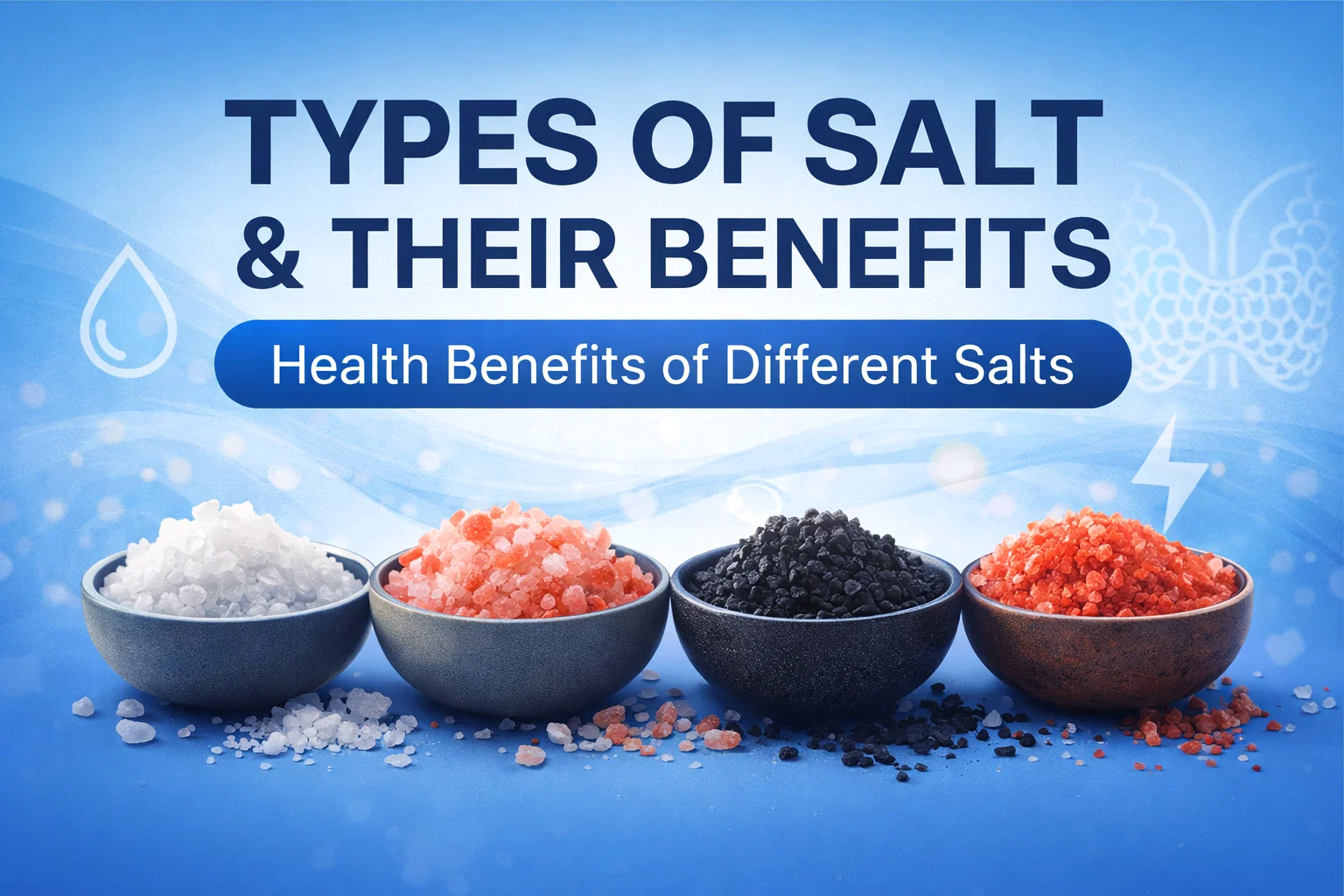
12 Types of Salts Their Benefits The Ultimate Guide
Salt is often viewed as a simple, everyday ingredient that sits quietly in a shaker on your dining table. However, the world of salt is incredibly diverse, offering a wide array of textures, flavors, and surprising health benefits. If you have only ever cooked with standard table salt, you are missing out on a massive spectrum of culinary and wellness possibilities. From mineral-rich pink crystals mined from ancient sea beds to volcanic salts infused with activated charcoal, the right type of salt can completely transform your cooking and support your body in unique ways. Today, we are going to take a deep dive into twelve distinct types of salts, exploring exactly what they are, where they come from, and the fantastic benefits they bring to your kitchen and your health.
The Classic Culinary Foundations
Before we explore the exotic varieties, it is important to understand the fundamental salts that form the backbone of modern cooking and basic nutrition. These are the workhorses of the culinary world.
Kosher Salt
Kosher salt is a favorite among professional chefs and home cooks alike. Unlike heavily refined table salt, kosher salt consists of pure sodium chloride with larger, coarser grains. This unique texture makes it incredibly easy to pinch and sprinkle evenly over food, giving you ultimate control over your seasoning. Because it is pure sodium chloride, it plays a vital role in supporting your body’s fluid balance and facilitating proper nerve transmission.
Shutterstock
The lack of additives means it delivers a clean, straightforward salty flavor without any metallic aftertaste. Whether you are dry-brining a steak or seasoning a pot of pasta water, kosher salt is an absolute must-have in your pantry.
Iodized Salt
Iodized salt is what most people picture when they think of traditional table salt. It features very fine grains that dissolve rapidly in liquids and recipes. What makes this salt special is the deliberate addition of iodine. Iodine is a crucial trace mineral that your body cannot produce on its own. It is essential for the production of thyroid hormones, which regulate your metabolism, energy levels, and cellular function. By using iodized salt in your daily baking and cooking, you are taking a simple but highly effective step to support your thyroid health and prevent iodine deficiency.
The Ocean’s Natural Bounty
Moving away from the strictly refined options, sea salts offer a closer connection to nature. These salts are harvested through the evaporation of ocean water, leaving behind a complex profile of minerals.
Sea Salt
Standard sea salt is a massive step up from heavily processed alternatives. Because it is produced through the natural evaporation of seawater, it retains a variety of trace minerals that are often stripped away during industrial refining. These trace minerals are not just great for adding a subtle complexity to the flavor profile; they actively support optimal hydration and help maintain proper nerve signaling throughout your nervous system. Sea salt is versatile enough to be used in everyday cooking, baking, and even as a finishing touch on chocolate desserts.
Celtic Sea Salt
Celtic sea salt is a remarkably unique variety that originates from the pristine coastal regions of France. It is easily identifiable by its grayish tint and its distinctive, slightly moist texture. This moisture is a testament to its unrefined nature. Celtic sea salt is famous for retaining a high concentration of natural moisture and vital minerals. These specific minerals are incredibly beneficial for supporting adrenal function and maintaining a delicate hydration balance within your cells. The briny, earthy flavor makes it a phenomenal finishing salt for roasted vegetables, grilled fish, and fresh salads.
The Mineral-Rich Marvels
Some salts are prized not just for their flavor, but for their stunning visual appeal and dense nutritional profiles. These ancient salts are packed with elements that your body craves.
Himalayan Pink Salt
Himalayan pink salt has taken the wellness and culinary worlds by storm, and it is easy to see why. Mined from ancient sea beds tucked away deep within the Himalayan mountains, this salt is incredibly pure. Its signature pink hue comes from a rich array of trace minerals, including iron, magnesium, and calcium. Consuming Himalayan pink salt provides your body with these essential trace minerals, which are known to support healthy electrolyte balance and promote proper blood circulation. Beyond its health benefits, its subtle crunch and gorgeous color make it a fantastic finishing salt for both savory dishes and sweet treats.
Lite Salt (Sodium + Potassium)
While not an ancient mineral salt, Lite Salt is a modern marvel designed specifically for those looking to optimize their mineral intake. It is formulated by blending traditional sodium chloride with potassium chloride. This strategic combination is fantastic for supporting electrolyte balance. Potassium is a vital mineral that helps regulate blood pressure and muscle contractions. By swapping out regular salt for Lite Salt, you can effectively boost your potassium intake while keeping your sodium levels in check, making it a smart choice for cardiovascular health and active lifestyles.
The Flavor Enhancers and Textural Stars
Sometimes, salt is used less for its bulk seasoning properties and more for the specific sensory experience it provides at the very end of the cooking process.
Flake Salt
Flake salt is a textural masterpiece. Instead of tiny cubes or coarse rocks, flake salt forms into delicate, pyramid-shaped crystals. This unique structure means that it dissolves exceptionally quickly on the tongue. When you sprinkle flake salt over a finished dish, it provides a bright, immediate pop of flavor that enhances the taste of your food dramatically. Because the crystals are large and hollow, you actually end up consuming less overall sodium while achieving a much more satisfying salty flavor. It is the ultimate finishing touch for a perfectly seared steak, a fresh tomato salad, or a warm chocolate chip cookie.
Smoked Salt
If you want to add an instant layer of gourmet complexity to your meals, smoked salt is your best friend. This salt is slowly cold-smoked over wood fires, absorbing the deep, rich aromas of woods like hickory, applewood, or mesquite. The result is an intensely flavorful ingredient that adds incredible savory depth to any dish. Because the smoky flavor is so robust, you can achieve a highly satisfying taste profile while actually reducing your overall salt and sugar use. It is perfect for enhancing vegetarian dishes, dry rubs for barbecue, or even rimming a glass for a savory cocktail.
The Hawaiian Specialties
The volcanic islands of Hawaii produce some of the most visually striking and functionally unique salts in the world, blending ocean water with local natural elements.
Hawaiian Red Salt
Also known as Alaea salt, Hawaiian red salt is an unrefined sea salt that has been mixed with an iron-rich volcanic clay called alaea. This clay gives the salt its vibrant, striking brick-red color. The addition of this specific clay means that Hawaiian red salt provides a significant boost of iron, supporting healthy blood circulation and overall mineral intake. It has a slightly earthy, mellow flavor that pairs beautifully with traditional Hawaiian dishes like poke, as well as roasted meats and hearty stews.
Hawaiian Black Salt
Visually stunning and deeply intriguing, Hawaiian black salt gets its dramatic dark color from the addition of activated charcoal. Activated charcoal is widely celebrated in the wellness community for its purifying properties. When combined with natural sea salt, it creates an ingredient that may support the body’s natural detoxification processes and promote healthy digestion. It has a slightly nutty, earthy flavor profile and looks absolutely spectacular when sprinkled over light-colored foods like eggs, fish, or fresh fruit.
The Digestive and Therapeutic Aids
The final two salts on our list serve highly specific therapeutic purposes, offering benefits that go far beyond simple culinary seasoning.
Black Salt (Kala Namak)
Not to be confused with Hawaiian black salt, Kala Namak is a kiln-fired rock salt used extensively in South Asian cuisines. In its solid form, it actually appears more of a dark purple or pinkish-gray. What truly sets Kala Namak apart is its high concentration of distinct sulfur compounds. These compounds give the salt a highly specific, pungent aroma that closely mimics the taste and smell of hard-boiled eggs. This makes it a beloved ingredient in vegan cooking to simulate egg flavors. More importantly, those sulfur compounds are highly valued in Ayurvedic medicine to support healthy digestion, alleviate bloating, and promote overall gut comfort.
Epsom Salt
Epsom salt stands entirely apart from the rest of the salts on this list because it is not actually intended for cooking or eating. Chemically known as magnesium sulfate, Epsom salt is a purely therapeutic compound designed for topical use. Magnesium is an essential mineral that plays a role in hundreds of biochemical reactions in the body. When dissolved in a warm bath, Epsom salt is absorbed through the skin. This relaxing soak is incredibly effective at supporting deep muscle relaxation, soothing aches and pains, and providing significant stress relief after a long, exhausting day.
Elevate Your Health and Your Kitchen
As you can see, the world of salt is incredibly vast and rich with potential. By stepping outside the boundaries of standard table salt, you open up a world of culinary creativity and holistic wellness. Whether you are reaching for the mineral-dense Himalayan pink salt to boost your electrolytes, sprinkling delicate flake salt to elevate a special meal, or dissolving Epsom salt for a restorative muscle soak, there is a specific type of salt perfectly suited to your needs.
Do not be afraid to experiment. Start by picking up one or two new varieties the next time you are at the grocery store or browsing online. Swap out your usual seasoning and pay attention to how the different textures and mineral profiles change the dynamic of your favorite recipes. Understanding the twelve types of salts and what they do empowers you to make smarter, tastier, and healthier choices every single day. Happy cooking, and enjoy exploring this wonderful, flavorful world!