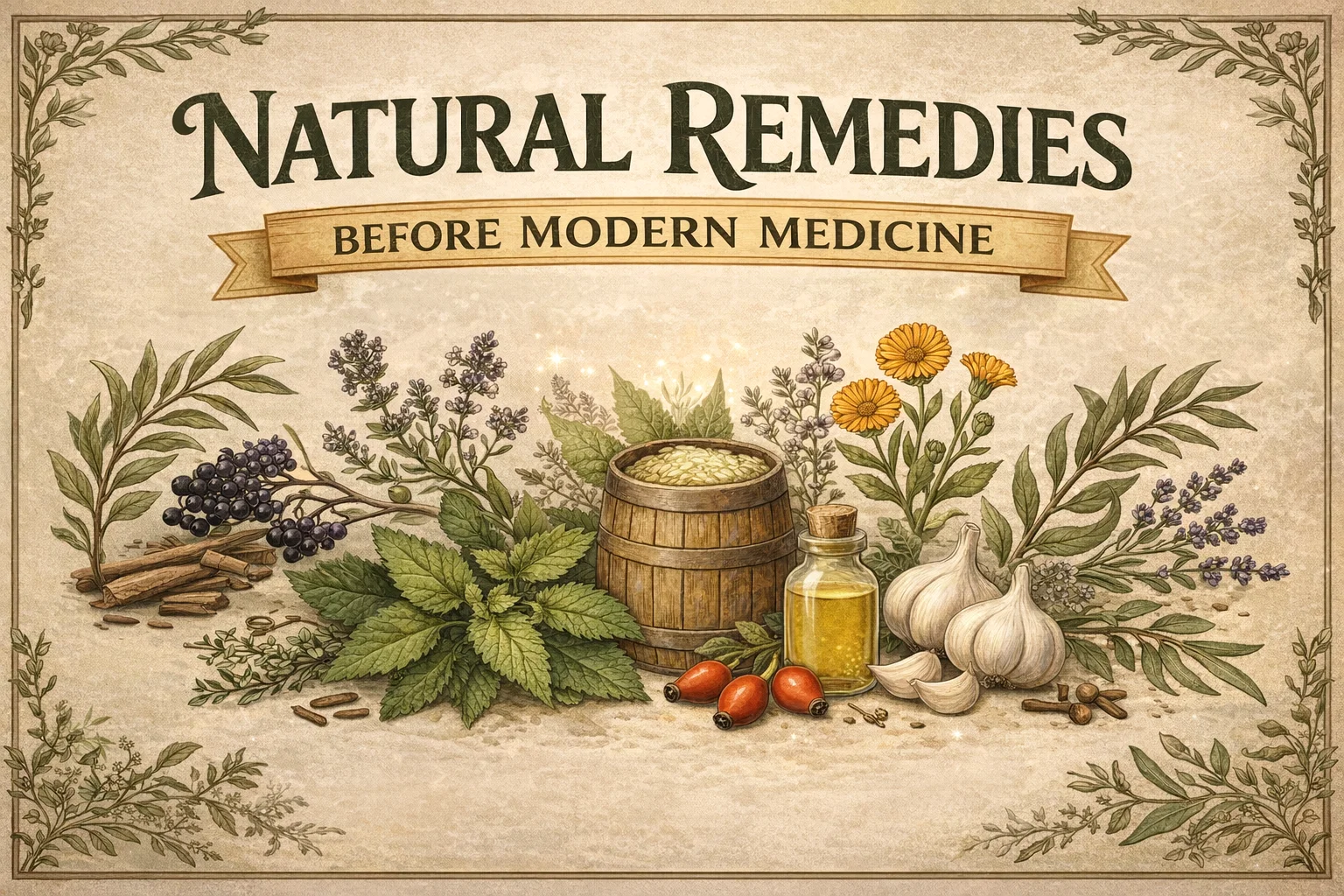
14 Natural Herbal Remedies Ancient Healing Plants for Holistic Wellness
Stepping back into the world of our ancestors reveals a fascinating truth: the earth has always provided the tools we need for healing and vitality. Long before the white walls of modern pharmacies and the convenience of over-the-counter pills, the human race relied on a deep, intuitive connection with the plant kingdom. This ancient wisdom, often referred to as the “doctrine of signatures” or traditional ecological knowledge, allowed communities to thrive by using the roots, barks, leaves, and flowers found in their immediate environment. Today, as many of us seek a more holistic approach to wellness, we are seeing a massive resurgence in the popularity of these time-tested remedies.
The beauty of herbal medicine lies in its synergy. While modern medicine often extracts a single active compound to create a drug, traditional herbalism uses the whole plant. This approach ensures that the primary healing agent is supported by secondary compounds that can buffer side effects or enhance absorption. In this deep dive, we are exploring the legendary botanical solutions that paved the way for modern healthcare, from the anti-inflammatory power of willow bark to the immune-boosting properties of the humble elderberry.
The Foundations of Natural Pain Relief
When we think of pain management today, we immediately think of aspirin. However, the history of this “wonder drug” actually begins in the damp soil where the willow tree grows. For thousands of years, civilizations across the globe, from the ancient Greeks to Native American tribes, utilized willow bark to treat fevers and aches.
Willow Bark: The Original Aspirin
Willow bark contains a chemical called salicin, which is chemically similar to the active ingredient in aspirin. When consumed, the body processes salicin into salicylic acid, which works to lower the levels of prostaglandins, the hormone-like substances that cause feelings of pain and inflammation. Unlike synthetic aspirin, which can sometimes be harsh on the stomach lining, willow bark provides a slower, more sustained release of pain relief. It remains a favorite among herbalists for managing chronic joint discomfort and headaches.
Arnica: Nature’s Answer to Bruising
If you have ever reached for a topical cream after a nasty fall or a grueling workout, you have likely encountered arnica. This bright yellow flower, which thrives in mountainous regions, has been a staple in European folk medicine for centuries. It is specifically prized for its ability to reduce swelling and clear up bruising by stimulating the flow of white blood cells to the affected area. It is a must-have for any natural first-aid kit, particularly for those with active lifestyles.
Boosting Immunity and Respiratory Health
In the transition between seasons, our ancestors did not have the luxury of a local clinic. Instead, they turned to the hedgerows and forests to fortify their immune systems against the common cold and more serious respiratory ailments.
Elderberry: The Powerful Antiviral
Elderberries have long been regarded as one of nature’s most potent defenses against viruses. These dark, purple berries are packed with antioxidants known as anthocyanins, which give them their deep color and help to clear the body of free radicals. Modern studies have even suggested that elderberry extract can shorten the duration of the flu by preventing the virus from attaching to healthy cells. It is often simmered into a thick, delicious syrup that serves as a daily tonic during the winter months.
Eucalyptus and Wild Cherry Bark
For those struggling with congestion or a persistent cough, eucalyptus and wild cherry bark were the go-to solutions. Eucalyptus contains cineole, a compound that acts as a natural decongestant and expectorant, helping to clear the lungs and soothe the sinuses. On the other hand, wild cherry bark has been used traditionally to calm the “spasmodic” cough. It acts as a mild sedative to the respiratory nerves, making it easier for someone to rest and recover when they are feeling under the weather.
Skin Care and Wound Healing from the Earth
The skin is our largest organ and our first line of defense against the outside world. Before the invention of synthetic bandages and sterilized ointments, people looked to the ground for “green bandages” that could protect and heal the skin.
Plantain Leaf and Nettle
Commonly dismissed as a garden weed, the plantain leaf is actually one of the most versatile healing plants in existence. It contains allantoin, a compound that promotes skin cell regeneration. If you are ever stung by a bee or bitten by an insect while hiking, crushing a plantain leaf and applying it to the skin can draw out toxins and stop the itch almost instantly. Similarly, nettle leaf, while famous for its “sting” when fresh, becomes a nutrient-dense powerhouse once dried or cooked. It is incredibly rich in iron and minerals, making it a traditional remedy for strengthening the blood and improving skin conditions from the inside out.
Calendula and Rosehip Oil
For more delicate skin concerns like eczema, rashes, or scarring, flowers provide a gentle touch. Calendula, often called the pot marigold, is famous for its anti-inflammatory and antiseptic properties. It is frequently infused into oils to create salves that soothe irritated skin. Rosehip oil, harvested from the seeds of rose bushes, is a modern beauty favorite with ancient roots. High in Vitamin A and Vitamin C, it is used to brighten the complexion, fade dark marks, and speed up the repair of damaged skin tissue.
The Kitchen Apothecary: Culinary Herbs as Medicine
Many of the most powerful medicines in the ancient world were not hidden in a deep forest; they were growing right outside the kitchen door. Our ancestors understood that food is the first form of medicine.
Garlic: The Universal Antibiotic
Garlic is perhaps the most well-known medicinal food in history. Long before the discovery of penicillin, garlic was used to fight off infections. It contains allicin, a potent sulfur compound that is released when the clove is crushed or chopped. Garlic is broad-spectrum, meaning it can help the body combat bacteria, viruses, and even fungal overgrowth. Incorporating raw garlic into the diet was, and still is, one of the best ways to maintain a robust immune system.
Thyme and Clove
Thyme is more than just a seasoning for roasted vegetables; it is a powerful disinfectant. The essential oil of thyme, known as thymol, is so effective at killing microbes that it is still used in many modern mouthwashes and hand sanitizers. Clove, another spice cabinet staple, was the primary solution for dental pain for centuries. Clove oil contains eugenol, which acts as a natural anesthetic. Rubbing a little clove oil on a sore gum can numb the area and fight off the bacteria causing the toothache.
Gut Health and Nervous System Support
The connection between the gut and the brain is a major topic in modern science, but it is something our ancestors managed through fermentation and aromatic herbs. They knew that a calm mind and a happy stomach were the keys to a long life.
Sauerkraut: The Probiotic Pioneer
Before we had probiotic capsules, we had fermented foods. Sauerkraut, which is simply fermented cabbage, is a living food full of beneficial bacteria. These cultures help to balance the microbiome, improve digestion, and even boost the immune system, since a large portion of our immune cells reside in the gut. It is a perfect example of how preserving food through traditional methods also enhanced its medicinal value.
Lavender: The Ultimate Nervous System Soother
When it comes to sleep and stress, lavender stands in a class of its own. The scent of lavender has been scientifically shown to lower heart rate and blood pressure, shifting the body from a “fight or flight” state into a “rest and digest” state. Whether used as a tea, an essential oil, or a sachet under the pillow, lavender has helped people find deep, restful sleep for millennia without the grogginess associated with modern sleep aids.
Integrating Ancient Wisdom into Modern Life
As we move forward into an era of advanced technology, there is a profound sense of comfort in returning to these natural roots. You do not have to abandon modern medicine to appreciate the value of an herbal cabinet. In fact, many people find that using these remedies for minor ailments allows them to save stronger pharmaceutical interventions for when they are truly necessary.
Starting your own natural apothecary can be as simple as growing a pot of thyme on your windowsill or keeping a bottle of elderberry syrup in the fridge. By learning the properties of these plants, you are not just treating symptoms; you are participating in a tradition of self-care that spans human history. It is about listening to the body and respecting the complex, beautiful chemistry of the natural world.
Conclusion: The Path Back to Nature
The journey through the world of ancient remedies reminds us that we are part of a larger ecosystem. From the barks of the forest to the spices in our pantry, nature offers a diverse and effective toolkit for maintaining health and vitality. While we should always consult with healthcare professionals, especially when dealing with serious conditions or taking other medications, the “medicine before medicine” offers a gentle, sustainable, and empowering way to look after ourselves and our families.
By embracing the power of plants like willow bark, garlic, and lavender, we honor the wisdom of those who came before us. We reclaim a sense of autonomy over our wellness and foster a deeper appreciation for the earth beneath our feet. So, the next time you feel a headache coming on or a scratchy throat, consider looking to the garden or the forest. The solution might be more natural, and more ancient, than you ever imagined.