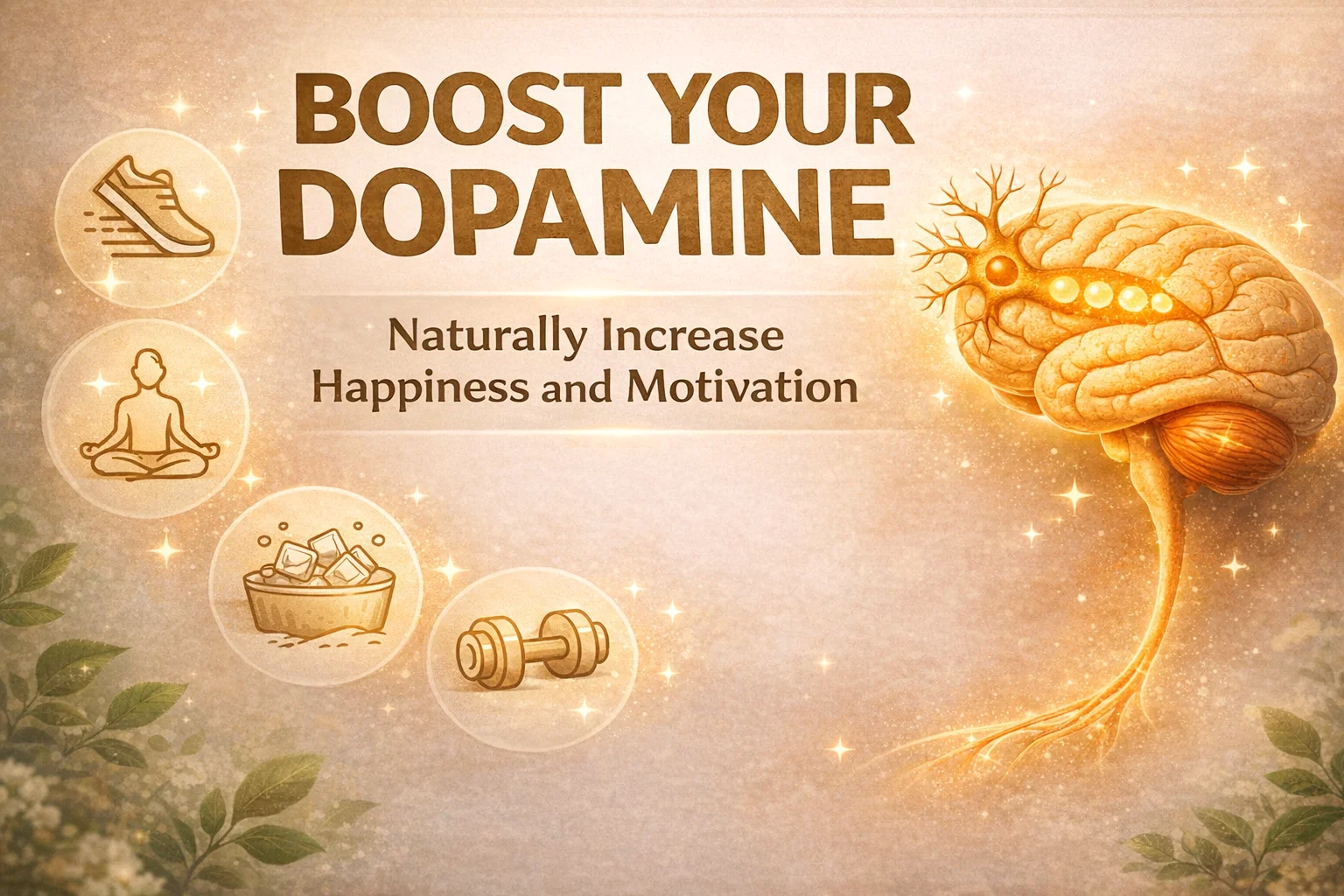
14 Natural Ways to Increase Your Dopamine for Better Mental Health and Focus
In our modern world, we are constantly bombarded with instant gratification. From the infinite scroll of social media to the immediate buzz of a notification, our brains are being rewired to seek out quick hits of dopamine. However, these artificial spikes often lead to a subsequent crash, leaving us feeling drained, unmotivated, and physically exhausted. Understanding how to manage your brain chemistry is not just about feeling good in the moment; it is about building a sustainable foundation for long-term mental health and productivity. By focusing on natural ways to increase your dopamine, you can regain control over your focus and find genuine joy in the smaller, more meaningful aspects of life.
The Science of the Reward Chemical
Dopamine is often misunderstood as the pleasure chemical, but it is actually more closely tied to motivation and anticipation. It is the neurotransmitter that drives us to take action toward a goal or a reward. When your dopamine levels are balanced, you feel alert, focused, and driven. When they are depleted or overstimulated, you might struggle with brain fog, procrastination, or low mood. The goal is not to have a constant high, but to maintain a healthy baseline that allows you to function at your best. By incorporating specific lifestyle habits, you can encourage your brain to produce and regulate this vital chemical naturally.
Physical Movement as a Dopamine Catalyst
Movement is perhaps the most effective tool we have for altering our internal chemistry. When you engage in physical activity, your brain releases a cocktail of neurochemicals that improve your mood and cognitive function.
The Power of Running and Aerobic Exercise
Running is a classic example of a high reward activity. The phenomenon known as the runner’s high is a direct result of the brain releasing endorphins and dopamine during sustained cardiovascular effort. This does not mean you need to run a marathon every weekend. Even a short, brisk jog can stimulate the production of new dopamine receptors over time, making your brain more sensitive to the chemical and improving your overall mood baseline.
Lifting Weights for Long Term Focus
Strength training offers a different but equally powerful benefit. While aerobic exercise provides an immediate lift, lifting weights has been shown to improve executive function and long term dopamine regulation. The process of setting a personal record or simply completing a challenging set provides a sense of accomplishment that reinforces the dopaminergic pathways related to goal achievement.
Dancing for Joy and Connection
Dancing combines physical exertion with rhythm and often social interaction. This triple threat makes it a potent dopamine booster. The creative expression involved in dance allows for a release of tension, while the coordination required keeps the brain engaged and active. It is one of the few ways to exercise that feels like pure play, which is essential for mental well being.
Environmental and Sensory Triggers
Our environment plays a massive role in how our brain functions. By making small shifts in our daily surroundings, we can prime our nervous system for success.
Soaking in the Sunlight
Exposure to natural sunlight, especially in the early morning, is crucial for regulating your circadian rhythm. Sunlight triggers the release of serotonin, which is a precursor to melatonin, but it also directly impacts dopamine synthesis. Spending just 10 to 15 minutes outdoors without sunglasses in the morning can help set your internal clock and ensure your brain is firing on all cylinders throughout the day.
The Intensity of Cold Plunges and Saunas
Thermal stress is a fascinating way to boost dopamine. Cold exposure, such as a cold shower or a dedicated ice bath, has been shown to increase dopamine levels by as much as 250 percent. This increase is gradual and stays elevated for hours after the exposure, providing a steady stream of focus and energy. Conversely, using a sauna provides a heat shock response that improves blood flow and releases dynorphins, which eventually make your dopamine receptors more sensitive.
The Importance of Mental Discipline
While physical habits are important, the way we use our minds determines how we process the dopamine we have. Training your brain to handle boredom and focus on difficult tasks is essential for modern mental health.
Practicing Deep Work
Deep work is the ability to focus without distraction on a cognitively demanding task. In an era of constant interruptions, this is a superpower. When you commit to deep work, you move away from the shallow dopamine of checking emails and toward the deep satisfaction of solving complex problems. This sense of mastery is a far more sustainable source of dopamine than any social media notification could ever provide.
Meditation and Mindfulness
Meditation is often seen as a way to calm the mind, but it also has a profound effect on brain chemistry. Regular mindfulness practice has been linked to increased dopamine levels in the parts of the brain associated with attention and focus. By learning to observe your thoughts without immediately reacting to them, you break the cycle of impulsive behavior driven by dopamine seeking.
Embracing Boredom
This is perhaps the most difficult tip for the modern person to follow. We have become so accustomed to being entertained every second that we have lost the ability to be bored. However, boredom is the space where creativity and self reflection live. When you allow yourself to be bored for a while, you give your dopamine receptors a chance to rest and reset. This makes everyday activities feel more rewarding when you return to them.
Building a Lifestyle of Sustainable Joy
True happiness comes from the accumulation of small, healthy choices rather than one large event. Integrating these habits into your daily routine creates a lifestyle that supports your brain rather than draining it.
The Necessity of Good Sleep
No amount of cold plunging or weight lifting can make up for a lack of sleep. During deep sleep, your brain clears out toxins and resets its neurochemical balance. Studies show that sleep deprivation can significantly reduce the number of dopamine receptors available the next day, making everything feel harder and less rewarding. Prioritizing 7 to 9 hours of quality rest is the single best thing you can do for your dopamine levels.
Savouring the Moment
Savouring is the act of consciously noticing and appreciating the positive aspects of an experience. Whether it is the taste of your morning coffee or the feeling of the wind on your face, taking an extra moment to acknowledge the pleasure increases the dopaminergic reward. It trains your brain to look for the good in the present rather than always chasing the next big thing.
Experiencing New Things
Dopamine is highly sensitive to novelty. When you try a new hobby, visit a new city, or even take a different route to work, your brain releases dopamine in response to the new information. This is why traveling and learning are so invigorating. By regularly stepping out of your comfort zone, you keep your brain young and your motivation high.
The Digital Detox: Breaking the Phone Habit
The image highlights a crucial point twice: do not check your phone so much. This repetition is not an accident. Smartphones are designed by engineers to be dopamine loops. Every like, comment, and scroll is a micro reward that keeps us hooked. The problem is that these rewards are hollow. They overstimulate the brain and make real life feel dull by comparison.
To fix this, you must create boundaries. Set specific times for checking your device and keep it out of your bedroom. By reducing the constant stream of digital dopamine, you allow your brain to return to its natural state. You will find that your attention span increases, your anxiety decreases, and you start to enjoy physical activities and face to face conversations much more.
Conclusion: Taking Control of Your Brain Health
Increasing your dopamine naturally is about returning to the basics of human biology. We were designed to move, to be outdoors, to face challenges, and to connect with others. When we bypass these natural systems with digital shortcuts, our mental health suffers. By implementing the strategies discussed, from cold plunges and weight lifting to the simple act of being bored, you are giving your brain the environment it needs to thrive.
Start small. You do not need to change every habit overnight. Perhaps tomorrow you start with 10 minutes of sunlight and a commitment to leave your phone in another room while you work. Over time, these small shifts will compound, leading to a more focused, motivated, and joyful life. Your brain is a powerful tool, and by understanding its chemistry, you can unlock its full potential. Take the time to nourish your mind, and it will reward you with the clarity and energy you need to pursue your highest goals.