15 Subtle Habits That Make People Quietly Respect You More Psychology of Respect Tips
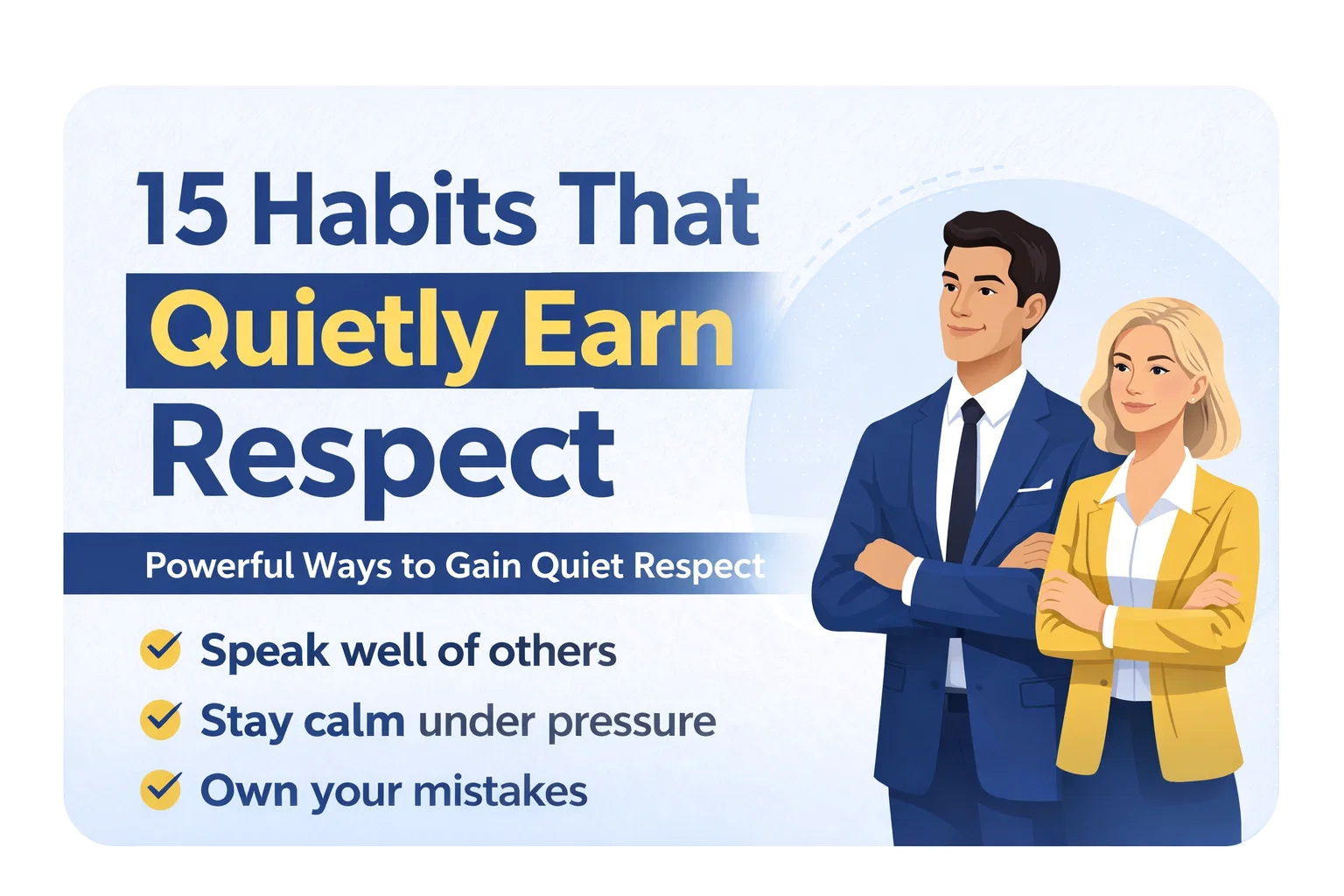
Respect is not something that is demanded; it is something that is earned through a series of consistent, often quiet actions. While many believe that gaining influence requires a loud voice or a dominant presence, the reality is quite different. The most respected people in any room are usually those who carry themselves with a certain level of quiet integrity. They do not need to announce their importance because their character speaks for them. By adopting subtle habits that prioritize honesty, reliability, and emotional intelligence, you can shift the way others perceive you without ever saying a word about your own status.
The Power of Integrity: Alignment Between Words and Actions
One of the most fundamental ways to build a foundation of respect is to ensure that what you say and what you do are in perfect alignment. In a world where many people over-promise and under-deliver, someone who simply does what they said they would do becomes a rare and valuable asset. This consistency builds trust over time. When your actions mirror your words, you eliminate the need for others to second-guess your intentions. People begin to rely on you because your track record proves that you are a person of your word.
Living in alignment also means having the courage to say no when you cannot commit to something. It is far more respectable to decline a request honestly than to accept it and fail to follow through. This habit shows that you value your own time and the time of others, which is a subtle but powerful signal of self-respect and professional maturity.
Navigating Social Dynamics with Grace
The way you handle yourself in social situations, especially when the conversation turns negative, says a lot about your character. Choosing to stay silent or even leaving the room during gossip is a high-level habit that earns massive respect. Gossip often feels like a bonding activity, but it actually erodes trust. If people see you speaking poorly of others, they will naturally assume you do the same to them when they are not around.
Defending the Absent
Going a step further than just avoiding gossip is the habit of speaking well of others in their absence. When you highlight someone else’s strengths or defend them when they are being unfairly criticized, you demonstrate a level of loyalty and security that is incredibly attractive. It shows that you are not threatened by the success of others and that you have a strong internal moral compass. This creates a safe environment where people feel they can trust you with their own vulnerabilities.
Handling Disappointment with Quiet Grace
Life is full of setbacks, but how you react to them defines your reputation. Handling disappointment with quiet grace means acknowledging the pain or frustration of a situation without letting it turn into a public tantrum or a cycle of blame. When you remain steady and calm even when things around you are falling apart, you become an anchor for those around you. This emotional stability is a hallmark of a true leader and someone who is deserving of deep respect.
Intellectual Honesty and the Art of Listening
Many people feel pressured to have an answer for everything, fearing that admitting ignorance will make them look weak. In reality, confidently admitting when you do not know something is a sign of immense strength and self-assurance. It shows that you are more interested in the truth than in looking smart. This intellectual honesty makes you more approachable and trustworthy, as people know that when you do give an answer, it is grounded in actual knowledge.
The Value of Asking Questions
Rather than trying to dominate a conversation with your own insights, try the habit of asking more questions than you give answers. This shows a genuine interest in the perspectives of others. When you ask thoughtful questions, you make the other person feel valued and heard. It also allows you to gather more information, which leads to better decision-making in the long run. Respect flows naturally toward those who are curious rather than those who are merely loud.
Remembering the Small Details
There is something deeply impactful about someone who remembers and repeats details from past conversations. It proves that you were truly listening and that you care about the person you were speaking with. Whether it is asking about a family member’s health or following up on a project someone mentioned weeks ago, these small gestures of attention build a bridge of connection that few other habits can match.
Accountability and Giving Credit
A major differentiator between an average person and a highly respected one is how they handle mistakes. Accepting blame easily when you have messed up is a fast track to gaining respect. Defensiveness is a shield for the insecure, but the confident individual knows that a mistake does not define their entire worth. By taking ownership, you solve problems faster and set a standard of accountability for everyone else.
Sharing the Spotlight
Just as important as taking the blame is the habit of giving credit freely. If a project succeeds, the respected individual is the first to point out the contributions of the team. Celebrating the wins of others as if they were your own shows a lack of ego that is refreshing in competitive environments. When you lift others up, you don’t diminish your own light; you actually make it shine brighter because you become known as someone who empowers those around them.
The “No But” Apology
When an apology is necessary, the way you deliver it matters. Respected individuals apologize without using the word “but.” Adding a “but” at the end of an apology is essentially a way of shifting the blame or making an excuse for the behavior. A clean, sincere apology focuses entirely on the hurt caused and the steps being taken to fix it. This level of maturity is rare and is always met with quiet admiration.
Consistency in Professionalism and Punctuality
Punctuality is often dismissed as a minor trait, but being consistently two minutes early is a loud statement about your discipline. It shows that you respect other people’s time as much as your own. When you are always on time, you are perceived as reliable and organized. It eliminates the frantic energy of rushing and allows you to start every interaction from a place of calm and readiness.
Treating Everyone with Equal Respect
One of the truest tests of character is how a person treats those who can do absolutely nothing for them. Whether it is a CEO or the person cleaning the office, a respected individual treats everyone with the same level of courtesy and dignity. Disregarding someone based on their position is a sign of a shallow character. When you treat everyone with respect regardless of their status, you demonstrate that your kindness is a part of who you are, not a tool you use for networking.
The Growth Mindset: Feedback as a Gift
To grow, one must be open to criticism. Taking feedback like a gift rather than a threat is a habit that will propel you further than almost any other. Instead of getting defensive, ask for clarification and look for the grain of truth in the feedback. When people see that you are willing to learn and adapt, they will invest more in your growth and respect your commitment to excellence. This openness turns potential conflicts into opportunities for collaboration and self-improvement.
Conclusion
Building respect is a marathon, not a sprint. It is found in the quiet moments where you choose integrity over ease, and kindness over ego. By aligning your actions with your words, staying calm under pressure, and treating every individual you encounter with genuine dignity, you create a personal brand that is unshakable. These fifteen habits may seem subtle on their own, but when combined, they form the foundation of a life lived with purpose and a reputation that will precede you wherever you go. Start small, choose one or two of these habits to focus on this week, and watch as the world begins to respond to you with a new level of quiet, lasting respect.