15 Subtle Habits to Earn More Respect Personal Growth Mindset Tips for Success
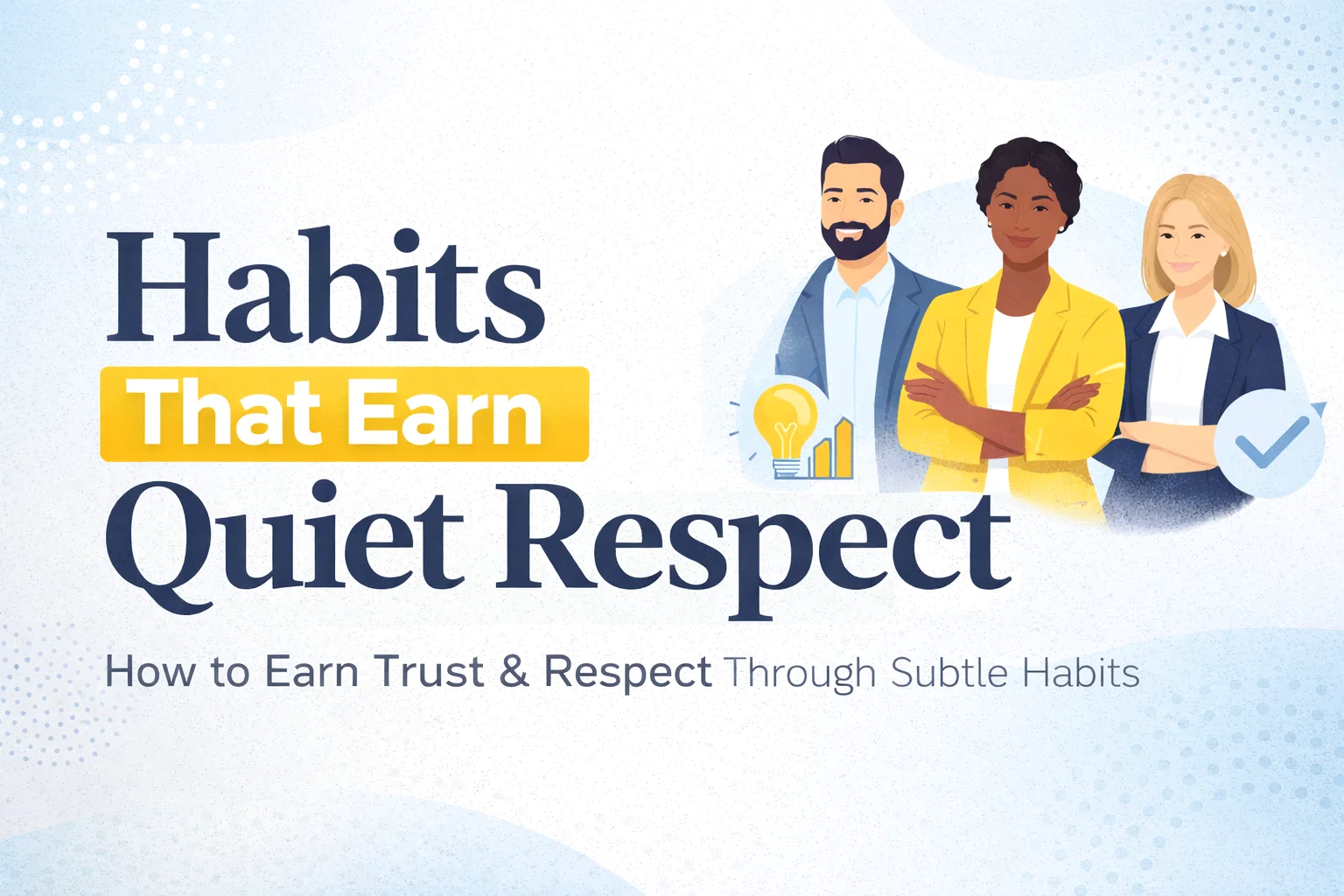
Building respect is not about making grand gestures or demanding attention. In fact, the most respected individuals are often those who move through the world with a quiet, steady confidence that doesn’t need to be announced. It is found in the way you handle a mistake, the way you treat someone who can do nothing for you, and the way you hold yourself when things get difficult. These subtle habits are the foundation of a strong character and a magnetic personality. When you focus on these small shifts in behavior, you begin to notice a change in how people respond to you. They start to listen more closely, trust your judgment, and offer a level of respect that feels earned rather than forced.
The Power of Alignment and Integrity
One of the most foundational habits of a respected person is the alignment between what they say and what they actually do. Integrity is often defined as doing the right thing even when no one is watching, but in a social context, it is about reliability. When your actions consistently match your words, you eliminate the guesswork for those around you. People know they can count on you, which creates a sense of psychological safety in your presence.
Staying Consistent with Your Word
If you promise to finish a task by Tuesday, or if you tell a friend you will show up for their event, following through is the simplest way to build a reputation. On the flip side, consistently over promising and under delivering is the fastest way to erode respect. It is better to be honest about your limitations than to say yes and fail to show up. This level of honesty shows that you value your time and the time of others.
Navigating Social Dynamics with Grace
How you handle yourself in groups says a lot about your character. High value individuals understand that their energy is a choice. One of the most subtle yet powerful habits is how you handle gossip. It can be tempting to join in when a group is venting or sharing secrets, but staying silent or physically leaving the room sends a powerful message. It signals that you are not interested in tearing others down and that you are a safe person to trust.
Speaking Well of Others in Their Absence
While most people use the absence of a person as an opportunity to criticize, a respected person does the opposite. If you consistently find something positive to say about someone who isn’t in the room, it changes the entire dynamic of your social circle. People begin to realize that if you speak well of others behind their backs, you likely do the same for them. This creates a culture of loyalty and mutual appreciation.
The Strength of Intellectual Humility
We often think that to be respected, we must have all the answers. In reality, the person who confidently admits when they do not know something is far more respected than the one who tries to fake it. Admitting a lack of knowledge is not a sign of weakness; it is a sign of security. It shows that you are more interested in the truth than in looking smart. This habit invites collaboration and encourages others to be honest about their own knowledge gaps.
Asking Questions Instead of Giving Answers
Respected leaders and mentors are usually the ones asking the most questions. By shifting your focus from proving your own intelligence to understanding the perspectives of others, you show that you value their input. This makes people feel seen and heard, which is one of the highest forms of respect you can offer. It also allows you to gather more information before making a decision, leading to better outcomes for everyone involved.
Handling Conflict and Accountability
No one is perfect, and we all make mistakes. However, the way you handle those mistakes defines your level of maturity. A subtle habit that many struggle with is accepting blame easily and giving credit freely. When things go wrong, a respected person looks for their part in the failure rather than searching for a scapegoat. Conversely, when things go right, they are the first to point out the contributions of their team or peers.
The Art of the Clean Apology
A true apology does not contain the word “but.” When you say, “I am sorry I was late, but traffic was terrible,” you are not apologizing; you are making an excuse. A respected person says, “I am sorry I was late. I will make sure it does not happen again.” This level of extreme ownership is rare and highly valued. It shows that you are in control of your life and your actions.
Emotional Regulation and Composure
In a world that can often feel chaotic, being the “calm in the storm” is a superpower. People naturally gravitate toward those who remain steady when things go wrong. Whether it is a deadline at work or a personal crisis, your ability to keep your emotions in check allows you to think clearly and make rational decisions. This steadiness provides a sense of grounding for those around you.
Handling Disappointment with Quiet Grace
Life is full of setbacks, but how you react to a “no” or a missed opportunity reveals your true character. Throwing a tantrum or complaining loudly might get you temporary attention, but it will never get you respect. Handling disappointment with grace means acknowledging the feeling but refusing to let it dictate your behavior. It shows a level of resilience that others can’t help but admire.
The Importance of Punctuality and Presence
Small habits like being two minutes early to every meeting might seem insignificant, but they are actually a form of respect for other people’s time. It signals that you are organized, prepared, and that you value the schedule of the group. Similarly, remembering and repeating details from past conversations shows that you were truly listening. It proves that you weren’t just waiting for your turn to speak, but that you were engaged in the connection.
Treating Everyone with Equal Respect
A person’s true character is best seen in how they treat people who can do absolutely nothing for them. Whether it is a CEO or a service worker, a respected person maintains the same level of politeness and dignity. This habit shows that your respect for humanity is not tied to a person’s status or what they can offer you. It is a reflection of your own internal values.
Defending What is Right
It is easy to go along with the crowd, but it takes courage to defend an unpopular but correct decision. This habit is the hallmark of integrity. When you stand up for what is right, even when it is uncomfortable, you demonstrate that your values are not for sale. While you might face initial pushback, the long term result is a deep, abiding respect from those who witness your conviction.
Taking Feedback as a Gift
Most people view feedback as a personal attack. They get defensive, explain away their actions, or shut down entirely. A person who is quietly respected views feedback as a tool for growth. They listen carefully, ask clarifying questions, and look for the grain of truth in the critique. By treating feedback like a gift, you accelerate your own development and show others that you are committed to excellence.
Building a Lifestyle of Subtle Habits
Adopting these fifteen habits isn’t something that happens overnight. It requires conscious effort and a willingness to be self-aware. You might start by focusing on just one or two, such as improving your punctuality or removing the word “but” from your apologies. Over time, these behaviors become second nature. They weave together to create a persona that is grounded, trustworthy, and deeply respected by all who cross your path.
Remember that respect is a byproduct of how you treat yourself and others. It is not something you can demand, but it is something you can definitely attract. By staying in alignment with your values and treating every interaction as an opportunity to lead with kindness and integrity, you build a legacy of character that speaks louder than words ever could.
Conclusion: The Journey Toward Quiet Respect
In the end, the habits that make people respect you more are the ones that require the most internal discipline. They are about choosing the harder path of honesty, accountability, and emotional maturity. As you implement these subtle shifts, you will find that your relationships improve, your career gains momentum, and your own self-respect reaches new heights. Start today by choosing one habit to master, and watch as the world begins to see you in a whole new light. The quietest habits often make the loudest impact on your life and the lives of those around you.
Would you like me to generate a meta-description or some social media captions to go along with this blog post?