16 Best Anti-Inflammatory Foods for Healing Food as Medicine Guide for Gut Health Wellness
The concept of food as medicine is not just a trendy catchphrase. It is a fundamental truth that has guided human health for centuries. Every time you sit down to a meal, you are making a choice that either fuels inflammation or helps your body extinguish it. In our modern world, where processed snacks and high-stress lifestyles are the norm, chronic inflammation has become a silent interloper, contributing to everything from joint pain and brain fog to long term digestive issues. But there is incredible power in your pantry. By focusing on nutrient dense, whole foods, you can shift your body into a state of healing and vibrant health.
Understanding the Role of Inflammation in the Body
Before we dive into the specific foods that can transform your health, it is important to understand what we are actually fighting. Inflammation is not always the villain. In its acute form, it is a vital part of your immune response. When you scrape your knee or catch a cold, your body sends white blood cells and pro-inflammatory chemicals to the site to start the repair process. This is healthy and necessary.
The problem arises when this process never turns off. Chronic, low grade inflammation is like a small fire that never goes out, slowly damaging healthy tissues, organs, and DNA. This systemic stress is often linked to diets high in refined sugars and trans fats. The good news is that the right dietary choices can act as a natural thermostat, cooling down that internal heat and allowing your cells to function at their peak.
The Golden Duo: Turmeric and Ginger
When it comes to nature’s most potent anti-inflammatory agents, turmeric and ginger sit at the top of the throne. These roots have been used in Ayurvedic and Traditional Chinese Medicine for millennia, and modern science is finally catching up to their benefits.
Turmeric and the Power of Curcumin
Turmeric is easily recognizable by its vibrant golden hue. The secret to its success is a compound called curcumin. Curcumin is a bioactive substance that fights inflammation at the molecular level. It is so effective that some studies suggest it can match the power of certain anti-inflammatory drugs without the side effects. To get the most out of your turmeric, always pair it with a pinch of black pepper. The piperine in pepper increases curcumin absorption by a staggering 2,000 percent.
Ginger: Warming and Soothing
Ginger is the perfect companion to turmeric. Known for its warming properties, ginger contains gingerols, which are powerful antioxidant and anti-inflammatory compounds. Beyond just helping with muscle soreness or joint stiffness, ginger is a superstar for digestive health. It helps soothe the gut lining and reduces gas and bloating, making it a staple for anyone looking to improve their internal wellness.
Healthy Fats for Cellular Integrity
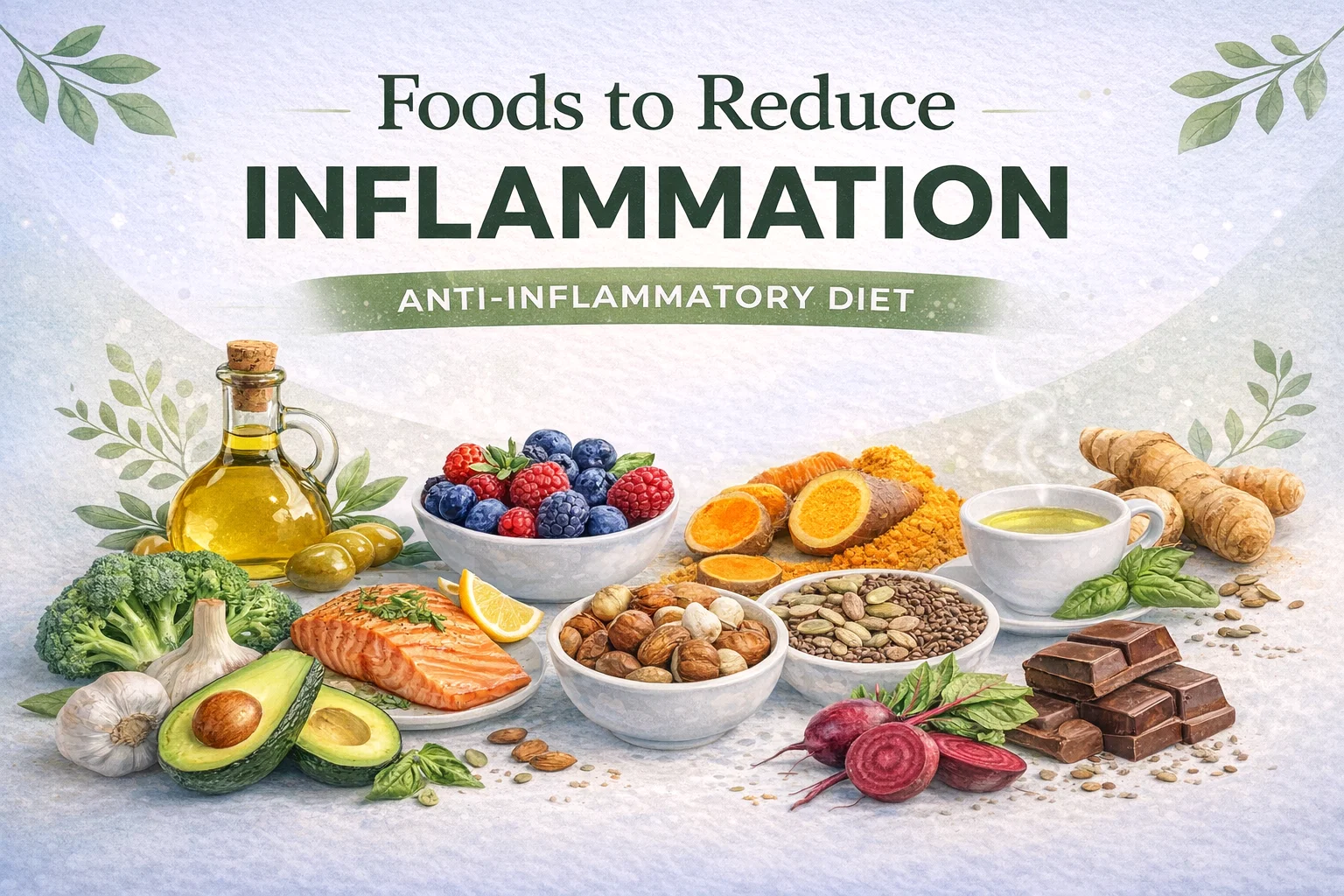
For a long time, fats were unfairly demonized. We now know that the right types of fats are essential for maintaining the structure of our cells and keeping inflammation at bay. The image highlights several key sources that should be in every kitchen.
Olive Oil: The Liquid Gold of the Mediterranean
Extra virgin olive oil is a cornerstone of the Mediterranean diet, one of the healthiest eating patterns in the world. It is rich in oleic acid and an antioxidant called oleocanthal, which works similarly to ibuprofen in reducing inflammatory markers. Drizzling high quality olive oil over your salads or vegetables is one of the easiest ways to support heart health and brain function.
Fatty Fish and Omega 3s
Salmon, mackerel, and sardines are packed with long chain omega 3 fatty acids, specifically EPA and DHA. These fats are crucial because they inhibit the production of substances that cause inflammation. If you are not a fan of seafood, you can find plant based versions of these healthy fats in walnuts and chia seeds, though the animal sources are much more readily used by the body.
Avocados: The Ultimate Creamy Superfood
Avocados are more than just a topping for toast. They are loaded with monounsaturated fats and potassium. They also contain carotenoids and tocopherols, which are linked to reduced cancer risk and lower levels of inflammation in young skin cells. Adding half an avocado to your lunch can help keep you full and focused throughout the afternoon.
Vibrant Greens and Cruciferous Vegetables
If you want to provide your body with a shield against cellular damage, you need to look at the garden. Leafy greens and cruciferous vegetables are the ultimate “cleaners” for your system.
Leafy Greens for Cellular Protection
Spinach, kale, and Swiss chard are nutritional powerhouses. They are rich in vitamin E, which protects the body from pro-inflammatory molecules called cytokines. They are also high in chlorophyll and fiber, which help the liver detoxify the blood and maintain a healthy gut microbiome.
Broccoli and Sulforaphane
Broccoli belongs to the cruciferous family, and it contains a unique compound called sulforaphane. This compound works by blocking the enzymes that cause joint destruction and chronic inflammation. To maximize the sulforaphane content, try steaming your broccoli lightly rather than boiling it, or better yet, eat it raw with a bit of hummus.
The Magic of Berries and Dark Chocolate
Eating for health doesn’t mean you have to give up treats. Some of the most enjoyable foods on the list are also the most protective.
Berries and Polyphenols
Blueberries, strawberries, raspberries, and blackberries are tiny but mighty. They are packed with fiber, vitamins, and minerals, but their real claim to fame is their high polyphenol content. These antioxidants help keep your immune system in check and prevent the oxidative stress that leads to premature aging.
Dark Chocolate: A Flavonoid Powerhouse
Yes, chocolate can be medicinal! The key is to choose dark chocolate with at least 70 percent cocoa content. The flavonoids in cocoa keep the cells that line your blood vessels healthy and reduce the risk of heart disease. It is a delicious way to lower your blood pressure and satisfy a sweet tooth simultaneously.
Supporting the Gut and Immune System
A huge portion of your immune system resides in your gut. If your digestion is off, your inflammation levels will likely be high. That is why foods like garlic and mushrooms are so important.
Garlic: The Natural Antibiotic
Garlic has been used for centuries to fight off infections. It contains sulfur compounds like allicin, which stimulate the immune system to fight back against invaders while lowering the inflammatory response. For the best results, crush or chop your garlic and let it sit for ten minutes before cooking to activate the healing enzymes.
Mushrooms: Immune Modulating Wonders
Whether it is simple button mushrooms or exotic varieties like shiitake and reishi, these fungi are incredible for the body. They contain beta glucans, which help modulate the immune system. This means they can ramp up your defenses when you are sick or calm them down if they are overreacting and causing chronic inflammation.
Building an Anti-Inflammatory Plate
Now that we have identified the heavy hitters, how do you put them all together? The key to a successful anti-inflammatory diet is variety and color. Each color in your vegetables and fruits represents a different phytonutrient that performs a specific task in the body. A plate that features grilled salmon, a side of sautéed kale with garlic, and a beet salad topped with walnuts is a perfect example of food as medicine in action.
Try to replace refined carbohydrates like white bread and sugary cereals with whole grains and starchy vegetables like beets and sweet potatoes. These provide steady energy and keep your blood sugar from spiking, which is another major trigger for internal stress.
Hydration with a Purpose: Green Tea
Don’t forget what you drink! Green tea is one of the healthiest beverages on the planet. It is rich in epigallocatechin 3 gallate (EGCG), a substance that inhibits inflammation and protects your cells from damage. Swapping your second cup of coffee for a cup of high quality green tea can provide a steady flow of antioxidants throughout your day.
Lifestyle Factors Beyond the Fork
While food is a massive part of the equation, it is important to remember that inflammation is also influenced by how we live. To get the most out of your anti-inflammatory diet, consider these three pillars:
- Quality Sleep: Your body does its best repair work while you sleep. Aim for 7 to 9 hours to allow your immune system to reset.
- Stress Management: High cortisol levels from chronic stress are a direct pathway to systemic inflammation. Practices like yoga or meditation can help.
- Consistent Movement: Regular exercise helps flush out toxins and keeps your circulation moving, ensuring those healthy nutrients reach your cells.
Conclusion: Your Journey to Healing
Transitioning to a diet focused on reducing inflammation is one of the most rewarding gifts you can give yourself. It is not about perfection or restrictive dieting; it is about abundance. It is about filling your kitchen with vibrant berries, fragrant ginger, crunchy nuts, and colorful vegetables that work in harmony with your biology.
By choosing food as medicine, you are taking an active role in your longevity and daily well being. Start small by adding one or two of these foods to your meals today. Over time, these small changes will compound, leading to clearer skin, better digestion, and a more resilient body. Remember, your health is built one bite at a time. Embrace the healing power of nature and enjoy the journey to a more vibrant, inflammation free life!
Would you like me to generate a specific meal plan using these ingredients or perhaps focus on a specific health goal like glowing skin or joint health next?