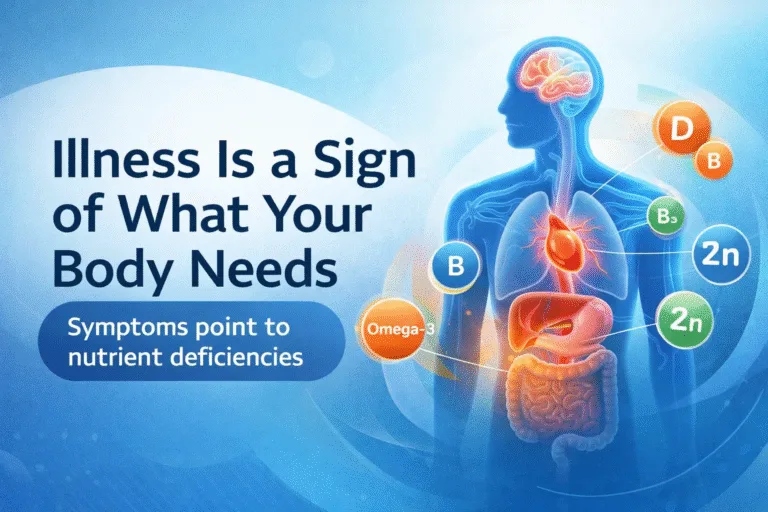
16 Common Signs of Vitamin Deficiency What Your Body Is Trying to Tell You
Have you ever woken up with a persistent twitch in your eyelid, or noticed that your hands are perpetually cold even in a warm room? We often dismiss these small annoyances as quirks of aging or the result of a long day at the office. However, your body is a highly sophisticated communication system. It doesn’t have a voice, so it uses physical sensations to tell you exactly what it needs to function at its peak. When you experience “brain fog” or notice your hair is thinning, these aren’t just random events; they are often direct signals that your internal nutrient stores are running low. Understanding how to decode these signals is the first step toward reclaiming your vitality and living a more vibrant, healthy life.
The Silent Language of Nutrient Deficiencies
Most of us live busy lives, rushing from one commitment to the next, often relying on caffeine and processed snacks to keep us going. In this whirlwind, it is easy to miss the subtle whispers of our anatomy. Nutrient deficiencies are surprisingly common, even in developed nations where food is plentiful. This is because many modern diets are calorie-rich but nutrient-poor. When your body lacks essential vitamins and minerals, it begins to prioritize its most critical functions, like keeping your heart beating and your lungs breathing, while “non-essential” systems like hair growth, skin repair, and mood regulation take a backseat.
By paying attention to the sixteen signs highlighted in our guide, you can start to bridge the gap between how you feel now and how you are meant to feel. Whether it is a lack of Iron causing shortness of breath or a Magnesium deficiency leading to poor sleep, these symptoms are manageable once you identify the root cause. Let us dive deep into what your body is trying to say.
Energy and Oxygen: The Vital Role of Iron
Iron is perhaps one of the most well known minerals, yet many people still suffer from low levels without realizing it. Iron is the primary building block of hemoglobin, the protein in red blood cells that carries oxygen from your lungs to the rest of your body. When Iron levels drop, your body literally struggles to breathe and stay warm.
Cold Hands and Brittle Extremities
If you find yourself reaching for gloves while everyone else is comfortable, your circulation might be compromised due to low Iron. Without enough hemoglobin, your body struggles to deliver heat and oxygen to your extremities, leaving your hands and feet feeling like ice. This is often accompanied by brittle nails that chip or peel easily, as the nail bed isn’t receiving the nutrients it needs to stay strong.
Shortness of Breath and Hair Loss
Do you feel winded after climbing a single flight of stairs? Shortness of breath is a classic sign that your blood is not transporting enough oxygen to your muscles and organs. Furthermore, Iron is crucial for the cells that stimulate hair growth. When the body is in “survival mode” due to low Iron, it redirects oxygen to vital organs, often resulting in significant hair shedding or thinning. Increasing your intake of leafy greens, lentils, and lean proteins can help replenish these vital stores.
The Sunshine Vitamin and Modern Fatigue
Vitamin D is unique because your body can actually produce it when your skin is exposed to sunlight. However, with more of us working indoors and using sunscreen, Vitamin D deficiency has become a global epidemic. Often called the sunshine vitamin, it plays a massive role in immune function, bone health, and energy levels.
Feeling Tired All Day
One of the most common signs of a Vitamin D deficiency is a sense of crushing fatigue that no amount of coffee can fix. You might wake up feeling like you never slept at all. Because Vitamin D is involved in the energy production of your mitochondria, a lack of it can leave you feeling physically and mentally drained. If you find yourself hitting a wall by 2:00 PM every day, it might be time to check your “D” levels.
The Link to Mood and Irritability
Have you noticed that your mood dips during the winter months? Vitamin D receptors are located throughout the brain, including in areas involved in depression. A deficiency can lead to feeling low, irritable, or even anxious. While supplements are often necessary, spending just fifteen minutes in the midday sun can work wonders for your mental clarity and emotional stability.
Magnesium: The Ultimate Relaxation Mineral
Magnesium is involved in over 300 biochemical reactions in the human body. It is the mineral responsible for “calming” the nervous system and relaxing the muscles. Unfortunately, modern soil depletion means many of our vegetables contain less Magnesium than they did fifty years ago.
Leg Cramps and Muscle Spasms
That sudden, painful charley horse in the middle of the night is a loud shout for Magnesium. This mineral helps regulate muscle contractions. When you are deficient, your muscles stay in a state of semi-contraction, leading to twitches, cramps, and general tightness. This is your body’s way of asking for more nuts, seeds, and dark chocolate.
Poor Sleep Quality
If you toss and turn at night or struggle to stay asleep, Magnesium might be the missing piece of the puzzle. It helps maintain healthy levels of GABA, a neurotransmitter that promotes sleep. Without it, your brain stays “on” and your body remains tense, making deep, restorative sleep nearly impossible.
Cognitive Clarity and the B-Vitamin Family
The B-vitamins are a complex group of nutrients that act as the spark plugs for your brain and nervous system. From B6 to B12, these vitamins ensure that your nerves are firing correctly and your brain is processing information efficiently.
Brain Fog and Forgetfulness
Do you walk into a room and forget why you are there? Or do you struggle to find the right words during a conversation? Brain fog and forgetfulness are often linked to Vitamin B12 and Omega-3 fatty acids. B12 is essential for maintaining the protective sheath around your nerves. When this sheath thins, communication between brain cells slows down, leading to that “cloudy” feeling.
Tingling and Numbness
If you experience a “pins and needles” sensation in your hands or feet, it is a sign that your peripheral nerves are struggling. Vitamin B6 and B12 are critical for nerve health. A deficiency can lead to mild nerve damage, which manifests as tingling, numbness, or even a burning sensation in the extremities. Keeping these levels up through eggs, dairy, and fortified cereals is essential for long-term neurological health.
The Visible Signs: Eyes, Mouth, and Skin
Sometimes the clues are right in front of us when we look in the mirror. Our mucous membranes and skin are often the first places to show signs of a nutrient drought because they regenerate so quickly.
Dry Eyes and Dry Mouth
Vitamin A is crucial for maintaining the moisture of your body’s surfaces. If your eyes feel gritty or your mouth feels like it is filled with cotton, you may be lacking this fat-soluble vitamin. Vitamin A helps produce the lubricating fluids that keep these areas healthy. Carrots, sweet potatoes, and orange bell peppers are excellent sources of beta-carotene, which your body converts into Vitamin A.
Frequent Infections and Vitamin C
Your immune system is your primary defense against the world. If you find yourself catching every cold that goes around the office, your Vitamin C levels might be low. Vitamin C stimulates the production of white blood cells and acts as a powerful antioxidant. Without it, your “shield” is lowered, making you more susceptible to frequent infections and slower healing times.
Why Gut Health Matters for Nutrient Absorption
You can eat the most perfect diet in the world, but if your gut is not healthy, you won’t absorb the nutrients. This is why a “no appetite” signal is so important to listen to. Zinc is a key mineral for digestion and the production of stomach acid. When Zinc is low, your sense of taste and smell can diminish, leading to a loss of appetite. Furthermore, without enough stomach acid, you cannot break down proteins to access the Iron and B-vitamins they contain.
Focusing on fermented foods like yogurt, sauerkraut, and kimchi can help build a healthy microbiome. This ensures that when you do eat nutrient-dense foods, your body actually reaps the benefits. Remember, you are not just what you eat; you are what you absorb.
How to Start Your Wellness Reset
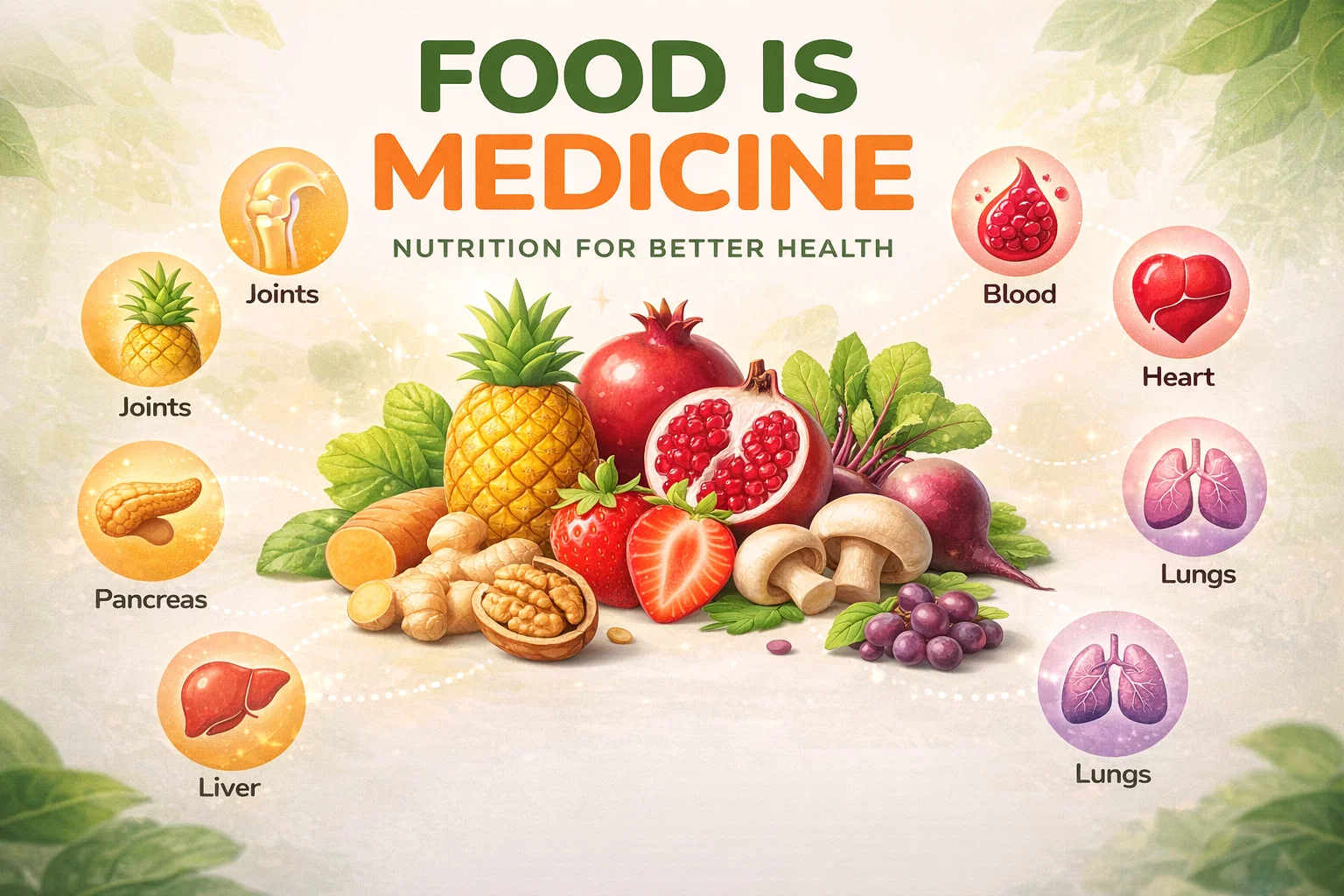
Now that you know how to read your body’s map, what is the next step? It can be tempting to run out and buy every supplement on the shelf, but the best approach is always “food first.” Supplements are meant to fill gaps, not replace a balanced diet. Start by incorporating more whole foods into your daily routine. Think of your plate like a rainbow; different colors usually represent different nutrients.
- Leafy Greens: Great for Iron, Magnesium, and Vitamin C.
- Nuts and Seeds: Excellent sources of Zinc, Biotin, and Magnesium.
- Fatty Fish: The best source for Omega-3s and Vitamin D.
- Colorful Vegetables: High in Vitamin A and various antioxidants.
If your symptoms are severe or persistent, it is always a wise idea to consult with a healthcare professional for a simple blood test. This can take the guesswork out of your wellness journey and provide a clear picture of what your body truly needs.
Conclusion: Honor Your Body’s Voice
Your body is constantly working behind the scenes to keep you in balance. The symptoms we often view as “problems” are actually “solutions” from your body, trying to alert you to a need before it becomes a larger health issue. By recognizing that leg cramps might mean you need Magnesium, or that brain fog could be a cry for Vitamin B12, you shift from being a passive observer to an active participant in your health.
Take a moment today to sit quietly and listen. Is your skin dry? Are you feeling unusually irritable? Use the guide we have discussed to decode these messages. When you give your body the raw materials it needs, you will be amazed at how quickly it can repair, regenerate, and return to a state of vibrant health. You deserve to feel amazing, and the journey starts with listening to what your body is saying.
Would you like me to create a specific meal plan based on one of these deficiencies?