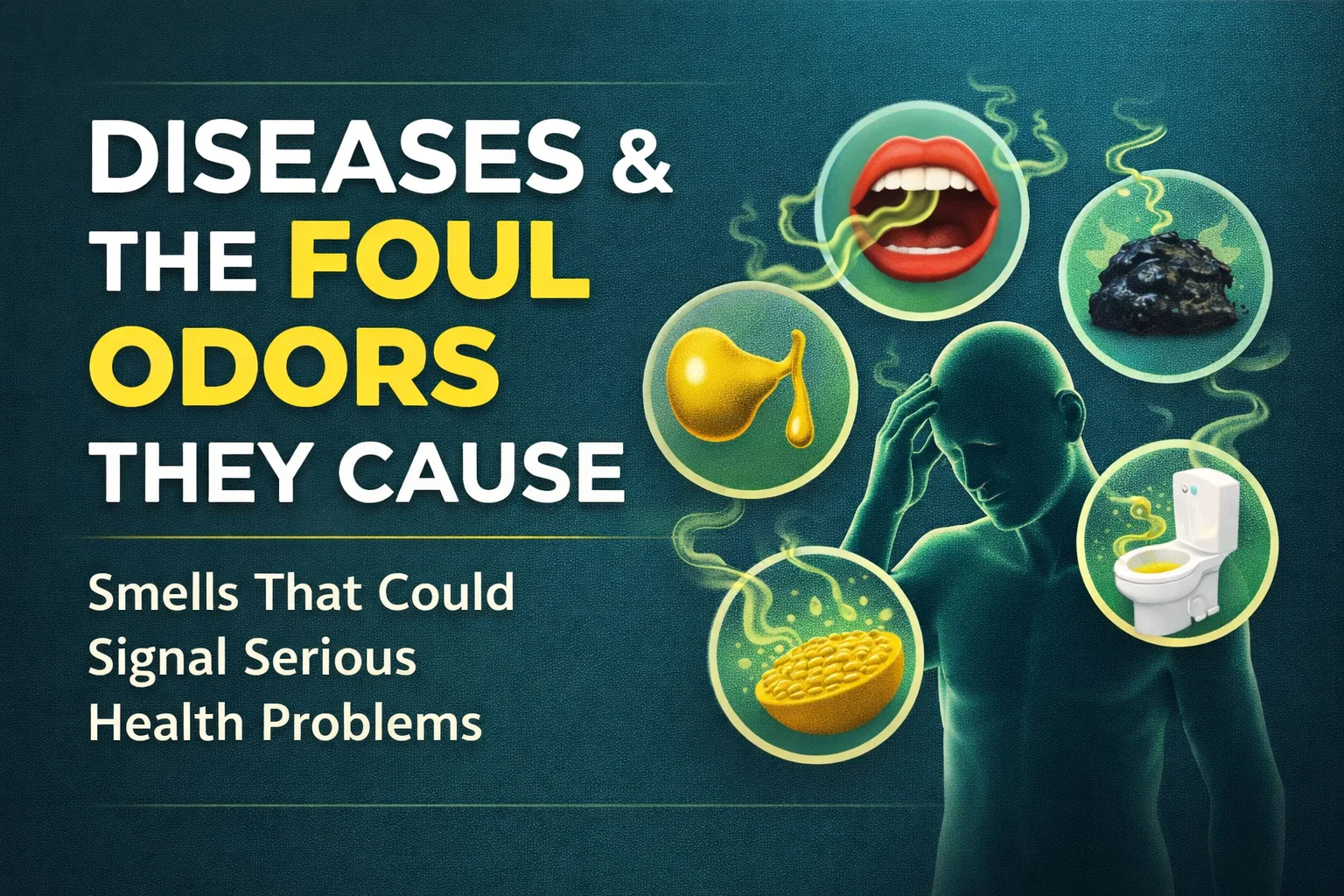
16 Diseases and Health Conditions That Cause Body Odor Symptoms and Warning Smells to Know
Have you ever noticed a sudden, unusual scent and wondered if your body was trying to tell you something? It turns out that our bodies are incredibly communicative, often using scent as a primary biological alert system. Long before modern lab tests were invented, ancient healers used their senses to detect changes in a patient’s health. Today, we are rediscovering this profound connection between our internal biology and the aromas we produce. Whether it is a change in your breath, your skin, or even your digestion, these “smell signals” serve as a roadmap to understanding your internal landscape. In this guide, we are diving deep into 16 specific conditions where your nose might just be your most valuable diagnostic tool.
The Science of Scent: Why Our Bodies Change Odor
To understand why diseases cause specific smells, we have to look at metabolic processes. Every cell in your body is constantly performing chemical reactions. When a specific organ like the liver or kidneys isn’t functioning optimally, or when an infection like H. Pylori takes root, the chemical byproducts of those processes change. These volatile organic compounds move through the bloodstream and are eventually released through our breath, sweat, and waste. Recognizing these shifts isn’t about being self-conscious; it is about being proactive with your holistic health.
1. H. Pylori and Persistent Bad Breath
Helicobacter pylori is a common bacterium that infects the stomach lining. While many people focus on the stomach pain it causes, one of the earliest warning signs is persistent halitosis that doesn’t go away with brushing or mouthwash. This happens because the bacteria produce ammonia to protect themselves from stomach acid. If you notice a metallic or sulfurous scent on the breath accompanied by dark or tarry stools, it is a sign that the gut microbiome needs immediate attention.
2. Heart Failure and Unusual Gas
It might seem surprising to link heart health with digestive odors, but the body is a deeply interconnected system. When the heart struggles to pump blood efficiently, the digestive system can become congested. This leads to slower transit times and a buildup of bacteria that produce a distinct rotten egg or sulfur-like gas. Keeping an eye on these changes is vital for early intervention in cardiovascular wellness.
3. Oral Health and Gum Disease
Chronic foul breath is more than just an embarrassing social hurdle; it is a primary indicator of gum disease. When bacteria hide in the pockets of the gums, they release waste products that smell distinctly unpleasant. This is the body’s way of signaling that inflammation is present, which, if left unchecked, can impact your systemic health and even your heart.
4. Kidney Failure and the Scent of Ammonia
The kidneys are the body’s ultimate filtration system. When they fail to filter out waste efficiently, urea builds up in the bloodstream. The body tries to compensate by releasing this waste through other means, often resulting in breath or urine that smells strongly of ammonia. This “uremic breath” is a critical signal that the kidneys require support and detoxification.
5. Digestive Sensitivities: Lactose Intolerance and Celiac Disease
Our digestive system is often the first place where odors shift. If you have ever felt bloated and noticed a sour, gassy scent after eating dairy, your body is likely struggling to break down lactose. Similarly, Celiac disease often manifests as pale, greasy, and particularly foul-smelling stools. This occurs because the body is unable to absorb fats properly due to intestinal damage caused by gluten. Understanding these cues can help you refine your diet for better energy and comfort.
The Role of Malabsorption
- Lactose Intolerance: Results in fermentation in the gut, creating a sour odor.
- Celiac Disease: Leads to steatorrhea, which is excess fat in the stool that creates a pungent, greasy smell.
- Fat Digestion: Using bitter herbs or digestive enzymes can often help support these processes naturally.
6. Sinus and Lung Infections
Infections in the respiratory tract often carry a heavy, musty, or even “old” scent. Sinus infections create a foul nasal odor because of trapped bacteria and mucus. On the other hand, lung infections can cause a musty body odor as the body tries to expel the infection through sweat and respiration. These scents are the physical manifestation of the immune system working overtime to clear out pathogens.
7. Diabetes and Sweet “Fruity” Breath
One of the most famous medical scents is the “fruity” breath associated with diabetes, specifically ketoacidosis. When the body cannot use sugar for energy, it starts burning fat at a rapid rate, producing ketones. These ketones have a sweet, acetone-like smell. If you notice your urine or breath smells like artificial fruit or nail polish remover, it is a significant indicator that your blood sugar levels need to be checked immediately.
8. Liver Health and Musty Signals
The liver is our primary detox organ. When it is overwhelmed or diseased, a condition called fetor hepaticus can occur. This results in a breath or stool smell that is described as earthy, musty, or even slightly sweet but “off.” Because the liver processes everything we eat and touch, keeping it healthy with natural bitters and plenty of hydration is key to maintaining a fresh internal environment.
9. Recognizing Yeast and Fungal Overgrowth
Yeast infections, often caused by an overgrowth of Candida, have a very specific scent profile. Many describe it as smelling like sour bread or fermentation. This happens because yeast thrives on sugar and produces alcohol and gas as byproducts. Whether it is a skin fold or a genital infection, this yeasty aroma is a clear sign that the body’s fungal balance is tipped and needs a boost of probiotics or natural antifungals like oil of oregano.
10. Gallbladder Disease and Metallic Tastes
If you experience a bitter or metallic taste in your mouth along with greasy, light-colored stools, your gallbladder might be struggling. The gallbladder stores bile, which is essential for breaking down fats. When bile flow is blocked or sluggish, fats pass through the system undigested, leading to a distinct change in both taste and waste odor. Incorporating healthy fats and dandelion root can often support bile production and flow.
How to Use This Information for Holistic Wellness
While these scents can be alarming, they are actually gifts of information. Instead of masking body odors with heavy perfumes or harsh deodorants, we should view them as data points. If you notice a persistent change, it is your body’s invitation to look deeper into your habits, your diet, and your environment. Holistic health is about listening to these subtle whispers before they become shouts.
Quick Tips for Natural Body Balance
- Hydrate Constantly: Water helps the kidneys and liver flush out the toxins that cause these odors.
- Support Your Gut: Probiotics and fermented foods help keep the “bad” odor-causing bacteria in check.
- Use Natural Fibers: Wearing cotton or linen allows your skin to breathe, preventing the buildup of musty sweat odors.
- Herbal Support: Peppermint for breath, ginger for digestion, and milk thistle for the liver are wonderful natural allies.
Conclusion: Empowering Your Health Journey
Your body is a masterpiece of communication. From the way you feel when you wake up to the subtle scents you produce throughout the day, every detail is a clue to your overall well-being. By learning to identify these 16 health signals, you are moving beyond reactive medicine and into a space of true self-awareness. Remember that while these tips are incredibly helpful for spotting trends, they are best used as a bridge to professional guidance. Stay curious, stay observant, and continue to nurture the natural rhythm of your body. Your health is your greatest wealth, and your nose might just be the best guide you have on the path to vibrant living.
Would you like me to create a printable checklist of these symptoms or perhaps generate a list of herbal remedies to support the specific organs mentioned here?