16 Healing Foods for Better Health Natural Remedies Nutrition Guide
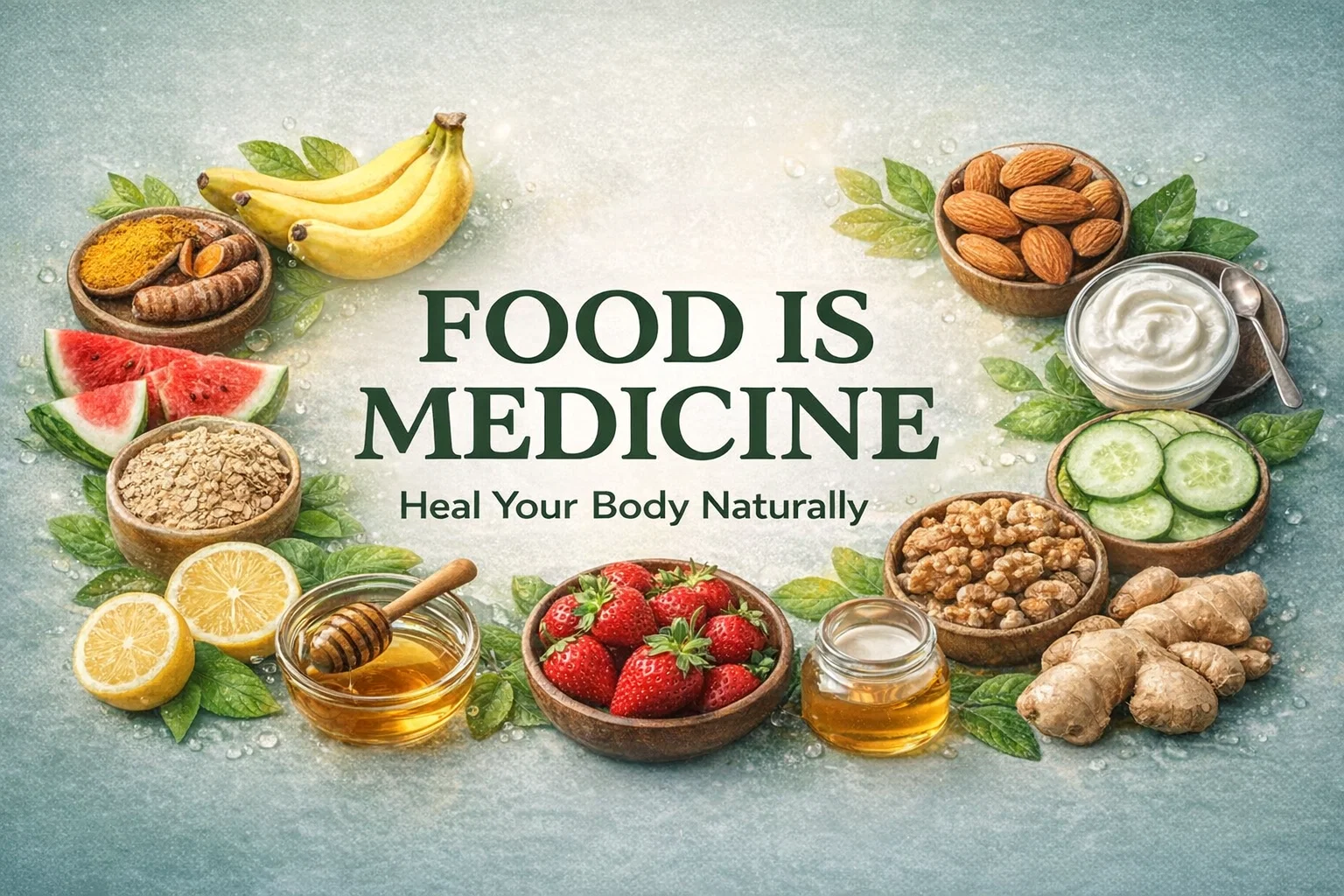
The concept that food is medicine is not just a trendy catchphrase; it is a foundational principle of holistic health that has supported human wellness for centuries. When we look at a vibrant collection of whole foods like bananas, ginger, turmeric, and walnuts, we are looking at a natural pharmacy. Each of these items carries specific bioactive compounds designed to support our bodily functions, repair tissues, and prevent disease. Understanding how to use these everyday ingredients can transform your kitchen into a powerhouse of healing and vitality.
The Power of Anti-Inflammatory and Immune-Boosting Superfoods
Inflammation is at the root of many modern health struggles, from joint pain to digestive issues. Nature provides some of the most potent anti-inflammatory agents right in the produce aisle. Turmeric, for instance, contains curcumin, a compound widely studied for its ability to block inflammatory pathways. When paired with a pinch of black pepper, its absorption increases significantly, making it a staple for anyone looking to manage chronic discomfort naturally.
Turmeric and Ginger for Physical Recovery
If you struggle with muscle pain or joint stiffness, turmeric and ginger are your best friends. Ginger is well known for its ability to soothe muscle soreness after a workout, acting similarly to over-the-counter pain relievers but without the synthetic side effects. Incorporating fresh ginger into your morning tea or a stir-fry can provide a steady stream of gingerols that keep your inflammatory response in check. Meanwhile, turmeric’s golden hue is a signal of its high antioxidant content, helping to protect your cells from oxidative stress while calming internal heat.
Strengthening Immunity with Strawberries and Honey
Our immune system requires constant nourishment to stay vigilant. Strawberries are packed with Vitamin C, an essential nutrient that stimulates the production of white blood cells. Beyond the vitamins, the polyphenols in strawberries help regulate the immune response so it stays balanced. On the other hand, honey is a timeless remedy for a sore throat. Its antimicrobial properties help coat the throat and fight off bacteria, providing immediate relief and supporting the body’s natural defense mechanisms during cold and flu season.
Fueling the Brain and Heart with Healthy Fats
The brain and heart are the two most demanding organs in the human body. To function at their peak, they require high-quality fats and minerals that are often missing from a processed diet. Nuts like almonds and walnuts are specifically designed by nature to fuel these vital systems, providing the density of nutrients needed for long-term health.
Almonds for Cognitive Function
Almonds are frequently cited as a top brain food because they are rich in Vitamin E, which is known to prevent cognitive decline and improve alertness. They also contain L-carnitine and riboflavin, two key nutrients that support brain activity and may even help create new neural pathways. A handful of almonds as a mid-afternoon snack can provide the steady energy your brain needs to avoid the dreaded 3 p.m. slump without the crash associated with sugary snacks.
Walnuts for Cardiovascular Vitality
Walnuts actually look like a tiny brain, but their benefits for the heart are equally impressive. They are one of the best plant-based sources of omega-3 fatty acids, specifically alpha-linolenic acid (ALA). These healthy fats help reduce blood pressure and decrease the risk of plaque buildup in the arteries. By including walnuts in your daily routine, you are providing your heart with the essential tools it needs to maintain a steady rhythm and healthy circulation throughout your entire body.
Digestive Health and Natural Detoxification
A healthy body starts in the gut. If your digestion is sluggish, it affects your mood, your energy, and even your skin. Using food to support the digestive tract and the liver is one of the most effective ways to feel better almost instantly. Nature offers several “cleaners” that help flush out toxins and keep things moving smoothly through the digestive system.
Yogurt and Oats for Gut Balance
The gut microbiome is a complex ecosystem of bacteria that dictates much of our overall health. Yogurt is a primary source of probiotics, the beneficial bacteria that help break down food and keep the gut lining healthy. Regular consumption of fermented foods like yogurt can improve digestion and even boost your mood, as much of our serotonin is produced in the gut. To complement this, oats provide the necessary fiber to keep cholesterol levels in check. The beta-glucan fiber in oats acts as a sponge, soaking up excess cholesterol and ushering it out of the body while providing a slow-release source of energy.
Lemons and Apples for Effective Detox
The liver and the colon are the body’s primary detox organs, and they benefit greatly from specific fruit enzymes. Lemons are incredibly alkalizing once metabolized, helping to balance the body’s pH and stimulate liver enzymes to flush out waste. Starting your day with warm lemon water is a classic wellness ritual for a reason; it wakes up the digestive system and prepares it for the day ahead. Similarly, apples are rich in pectin, a type of fiber that helps relieve constipation and ensures that waste does not linger in the colon. As the old saying goes, an apple a day really can keep the doctor away by ensuring your internal filtration systems are working perfectly.
Managing Blood Pressure and Blood Sugar Naturally
In a world of hidden sugars and high-sodium processed foods, managing our internal levels of glucose and pressure is more important than ever. Thankfully, the earth provides specific roots and vegetables that act as natural regulators, helping us maintain a state of equilibrium without relying solely on external interventions.
Beets for Healthy Circulation
Beets are a nutritional powerhouse when it comes to blood pressure. They are high in nitrates, which the body converts into nitric oxide. This molecule helps relax and dilate the blood vessels, which improves blood flow and naturally lowers blood pressure. Whether you juice them, roast them, or shave them into a salad, beets provide a significant boost to your cardiovascular efficiency and can even improve athletic performance by increasing oxygen delivery to the muscles.
Cinnamon for Glucose Regulation
Cinnamon is much more than a delicious spice for baking; it is a powerful tool for metabolic health. Studies have shown that cinnamon can improve insulin sensitivity and lower blood sugar levels by slowing the breakdown of carbohydrates in the digestive tract. Just a small sprinkle of cinnamon on your morning oats or in your coffee can help prevent the blood sugar spikes that lead to energy crashes and long-term metabolic issues. It is a simple, tasty way to keep your body’s fuel system running smoothly.
Hydration and Skin Health from Within
While we often think of hydration in terms of drinking water, the food we eat plays a massive role in how our cells retain moisture. “Eating your water” through high-moisture vegetables is an excellent way to keep your skin glowing and your muscles hydrated throughout the day.
Watermelon and Cucumber for Deep Hydration
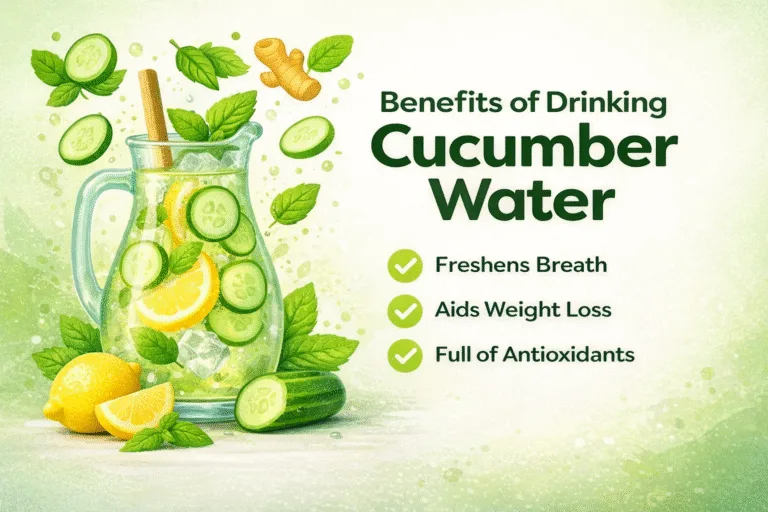
Watermelon and cucumbers are composed of over 90 percent water, but they offer more than just H2O. They are packed with electrolytes like potassium and magnesium, which help the water actually reach your cells instead of just passing through your system. Watermelon also contains lycopene, which protects the skin from sun damage, while cucumbers contain silica, a trace mineral that strengthens connective tissue and promotes a clear, hydrated complexion. If you find it hard to drink enough plain water, incorporating these hydrating snacks is a delicious alternative.
Bananas for Muscle Support
Muscle cramps are often a sign that the body is low on essential minerals, particularly potassium. Bananas are the go-to remedy for preventing and treating these cramps because they provide a quick, bioavailable source of potassium and magnesium. These minerals are vital for proper nerve signaling and muscle contraction. Whether you are an athlete or simply someone who spends a lot of time on their feet, keeping bananas in your kitchen ensures that your muscles have the electrolytes they need to function without pain or spasms.
Creating a Lifestyle of Food as Medicine
Transitioning to a lifestyle where food is viewed as medicine does not require a complete overnight overhaul. Instead, it is about making intentional choices and understanding the “why” behind what you put on your plate. When you view a bowl of berries as an immune booster or a handful of walnuts as heart protection, you begin to build a much more positive and empowering relationship with nutrition.
Practical Ways to Incorporate Healing Foods
The best way to start is by adding, not subtracting. Instead of focusing on what you shouldn’t eat, focus on adding one of these healing foods to every meal. Add cinnamon to your coffee, toss some walnuts into your salad, or blend some ginger into your smoothie. Over time, these small additions crowd out less nutritious options and become a natural part of your daily routine. Experimenting with different ways to prepare these items can also keep your meals exciting. Roasting beets brings out their natural sweetness, while adding turmeric to a soup gives it a beautiful color and an earthy, warming flavor.
Listening to Your Body’s Signals
Your body is constantly communicating with you through symptoms like fatigue, skin breakouts, or digestive discomfort. These are often signals that certain nutrients are lacking. By paying attention to these cues, you can use specific foods to address the underlying cause. If you feel a bit of brain fog, reach for some almonds. If you feel bloated, try some yogurt or lemon water. This intuitive approach to eating allows you to take control of your health in a way that feels natural and sustainable.
Conclusion: The Future of Your Health is in Your Kitchen
Embracing the idea that food is medicine is one of the most transformative shifts you can make for your long-term wellness. Nature has provided everything we need to thrive, packaged in beautiful, delicious, and accessible whole foods. From the anti-inflammatory power of turmeric to the hydrating properties of cucumber, each ingredient offers a specific path to healing and vitality. By filling your plate with a variety of these nutrient-dense options, you are doing more than just satisfying hunger; you are providing your body with the biological instructions it needs to heal, grow, and flourish. Start small, stay consistent, and let the healing power of food lead you toward your most vibrant self.