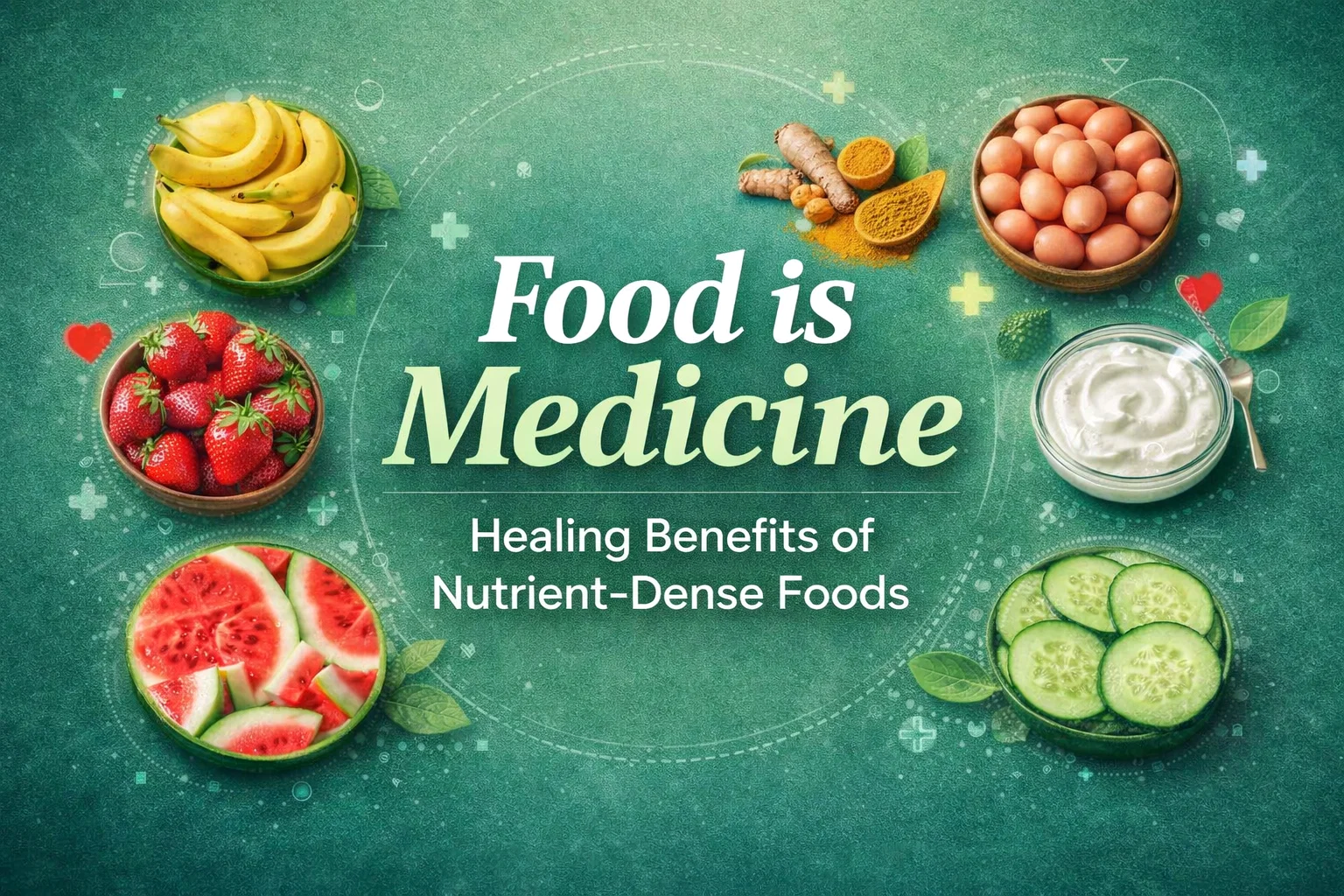
16 Healing Foods for Holistic Wellness Natural Remedies for Better Health Immunity
We have all heard the old adage that an apple a day keeps the doctor away, but have you ever stopped to consider the profound truth behind those words? In a world filled with processed snacks and synthetic supplements, the simplest path to vibrant health is often found right in your local produce aisle. The concept of food as medicine is not just a trendy catchphrase; it is a fundamental pillar of holistic wellness that has been practiced for centuries. When we choose to nourish our bodies with specific, nutrient-dense ingredients, we are doing more than just satisfying hunger. We are providing our cells with the biological tools they need to repair, protect, and thrive. Understanding how everyday items like lemons, ginger, and walnuts interact with our physiology can transform the way you look at your grocery list forever.
The Science of Natural Healing Through Nutrition
Modern science is increasingly validating what ancient herbalists always knew: plants contain powerful bioactive compounds that act as natural medicine. From the anti-inflammatory properties of curcumin in turmeric to the heart-healthy omega-3 fatty acids in walnuts, these foods offer a targeted approach to wellness. Instead of waiting for a symptom to appear and then treating it with a pill, a food-first approach focuses on prevention and long-term vitality. By diversifying your diet with the colorful fruits, vegetables, and nuts shown in our guide, you are essentially building a natural defense system that works around the clock to keep you balanced.
Reducing Inflammation with Turmeric and Ginger
If you struggle with joint pain or general muscle soreness, look no further than your spice cabinet. Turmeric is widely celebrated for its active ingredient, curcumin, which is one of the most potent natural anti-inflammatories available. When consumed regularly, it can help manage conditions ranging from arthritis to recovery after a heavy workout. Similarly, ginger is a powerhouse for soothing muscle pain and reducing oxidative stress. These two roots work beautifully together in teas or stir-fries to create a systemic calming effect throughout the body.
Shutterstock
Boosting Cardiovascular Health and Blood Pressure
Your heart is the engine of your body, and the fuel you provide it matters immensely. Certain foods are specifically designed by nature to support blood flow and maintain healthy pressure levels. Beets, for example, are rich in nitrates that the body converts into nitric oxide. This compound helps relax and dilate blood vessels, which naturally supports healthy blood pressure. When you combine this with the heart-healthy fats found in walnuts, you are giving your cardiovascular system a massive advantage. Walnuts are unique among nuts because they contain a high amount of alpha-linolenic acid, a plant-based omega-3 that helps reduce inflammation in the arteries.
Managing Blood Sugar with Cinnamon
Stable energy levels throughout the day depend heavily on how your body processes sugar. Cinnamon is a remarkable spice that has been shown to improve insulin sensitivity and slow the breakdown of carbohydrates in the digestive tract. By adding a sprinkle of cinnamon to your morning oats or yogurt, you can prevent those mid-afternoon energy crashes and keep your glucose levels within a healthy range. It is a simple, delicious way to take control of your metabolic health without feeling deprived.
Hydration Beyond the Water Bottle
While drinking water is essential, your body also absorbs hydration through the foods you eat. Water-rich fruits and vegetables provide “structured water” that often comes with electrolytes and vitamins, making it even more effective for cellular hydration. Watermelon is a prime example, consisting of about 92 percent water while also providing lycopene for skin protection. Cucumber is another hydration hero, especially for skin health. The silica and sulfur in cucumbers contribute to a glowing complexion and help keep your connective tissues supple. If you find it hard to drink eight glasses of plain water a day, snacking on these items is a fantastic alternative.
Shutterstock
The Gut-Brain Connection: Yogurt and Almonds
Your digestive system is often referred to as your second brain. This is because a large portion of your neurotransmitters, including serotonin, are produced in the gut. Yogurt is a staple for digestive health because it is packed with probiotics—the friendly bacteria that keep your microbiome in check. A healthy gut leads to better nutrient absorption and a stronger immune system. To support the “first” brain, almonds are the perfect snack. They are rich in vitamin E and healthy fats that support cognitive function and help prevent age-related memory decline. Together, these foods ensure that both your physical and mental systems are operating at peak performance.
Natural Energy and Immunity Boosters
When you feel your energy lagging, it is tempting to reach for a caffeinated drink. However, eggs are a far better long-term solution. They are a complete protein source and contain B-vitamins that are essential for energy production at a cellular level. To keep from getting sick in the first place, strawberries are a must-have. They are surprisingly higher in vitamin C per serving than some citrus fruits, making them a delicious tool for strengthening your immune response against common seasonal bugs.
Detoxification and Digestive Relief
The body has its own built-in detox systems, primarily the liver and kidneys. You can support these organs by incorporating lemons into your daily routine. Starting your day with warm lemon water helps stimulate bile production and flushes out toxins that may have accumulated overnight. For those who suffer from digestive irregularities like constipation, apples are a lifesaver. The high pectin content in apples acts as a prebiotic and provides the necessary fiber to keep your digestive tract moving smoothly. It is nature’s way of keeping your internal systems clean and efficient.
Soothing Common Ailments Naturally
Not every health issue requires a trip to the pharmacy. Many common discomforts can be managed with simple pantry staples. Honey, for instance, is a world-class remedy for a sore throat. Its natural antibacterial properties and thick consistency coat the throat, providing immediate relief and helping to suppress coughs. If you are dealing with painful muscle cramps, bananas are your best friend. The potassium and magnesium in bananas help regulate muscle contractions and prevent the involuntary spasms that often occur after exercise or during the night.
Practical Tips for a Food-as-Medicine Lifestyle
Transitioning to a holistic diet does not have to happen overnight. The best approach is to make small, intentional swaps that eventually become second nature. You can start by replacing processed snacks with a handful of almonds or walnuts. Instead of using sugary dressings, try a squeeze of lemon and a dash of turmeric on your salads. Here are a few quick ways to integrate these healing foods into your daily life:
- Morning Ritual: Drink a glass of warm water with lemon and a teaspoon of honey to wake up your digestive system.
- Power Breakfast: Top your oats with cinnamon, sliced bananas, and a spoonful of yogurt for sustained energy.
- Lunch Boost: Add sliced cucumbers and beets to your greens to support hydration and blood flow.
- Post-Workout: Eat a banana or a few strawberries to replenish electrolytes and support muscle recovery.
The Long-Term Benefits of Holistic Nutrition
Choosing to eat for your health is an investment that pays dividends for years to come. While the immediate effects might be a bit more energy or clearer skin, the long-term benefits include a lower risk of chronic diseases, a more resilient immune system, and a better quality of life as you age. When you treat your kitchen like a pharmacy, you take the power of health back into your own hands. You begin to listen to what your body needs, whether that is the anti-inflammatory power of ginger or the brain-boosting nutrients in almonds. This mindfulness creates a deeper connection between your plate and your well-being.
Embracing a Vibrant Future
The journey toward better health is a continuous process of discovery. As you experiment with these sixteen healing foods, pay attention to how they make you feel. You might find that your digestion improves, your headaches vanish, or your mood stabilizes. There is a profound sense of empowerment that comes from knowing exactly how to support your body using the gifts that nature provides. By focusing on whole, unprocessed ingredients, you are honoring your body’s complex needs and setting the stage for a life of vitality and balance.
Ultimately, the philosophy of food as medicine is about more than just physical health; it is about cultivating a lifestyle of self-care and respect for the natural world. Every meal is an opportunity to heal, to strengthen, and to nourish. So, the next time you head to the store, remember that you are not just buying groceries—you are selecting the building blocks for a healthier, happier you. Start small, stay consistent, and let nature do the rest of the work. Your body will thank you for it with every step you take toward a more holistic way of living.
Would you like me to create a 7-day meal plan incorporating all 16 of these healing foods for your blog post?