16 Signs of Nutrient Deficiencies How Your Body Is Starving Inside and What to Eat
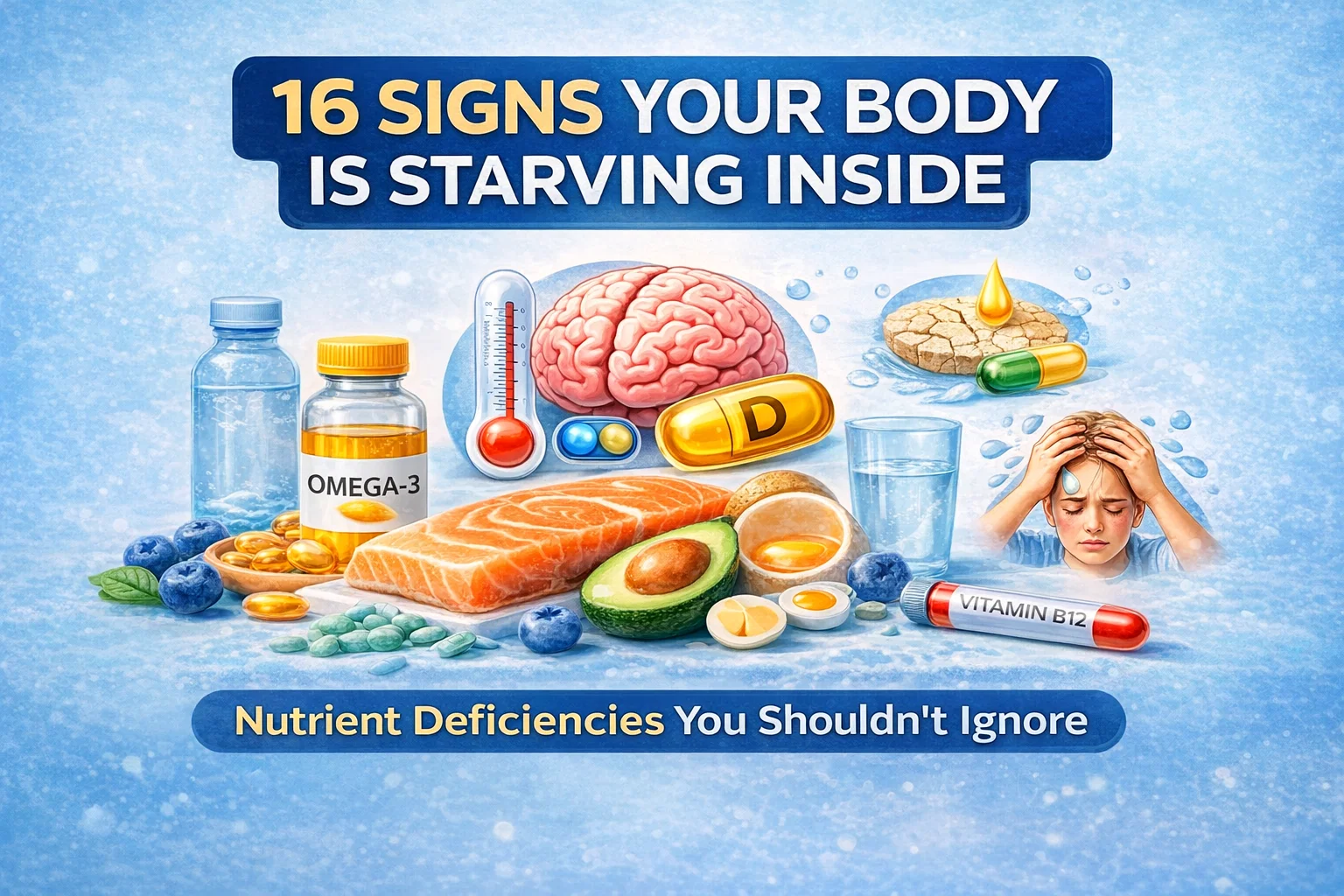
Have you ever felt like your body was sending you a coded message that you just could not crack? Maybe you are constantly reaching for a sweater while everyone else is comfortable, or perhaps you are hitting a wall of fatigue by 2:00 PM every single day. We often chalk these things up to getting older or having a busy week, but these subtle physical cues are often your body’s way of screaming for help. When we talk about starvation, we usually think of a total lack of food. However, there is a silent version of this called hidden hunger. This happens when you are eating enough calories, but your cells are starving for specific vitamins and minerals. Understanding these 16 signs is the first step toward reclaiming your energy and vitality.
The Silent Language of Nutrient Deficiencies
Our bodies are incredibly sophisticated machines. Just like a car that flashes a dashboard light when the oil is low, the human body uses physical symptoms to signal internal imbalances. The problem is that we have become experts at ignoring these lights or covering them up with caffeine and over the counter quick fixes. When your body is starving inside, it is not asking for more volume of food; it is asking for better quality. By identifying the specific nutrient linked to your symptom, you can stop guessing and start healing.
1. Why You are Always Cold: The Iron Connection
If you find yourself shivering while others are in short sleeves, your internal thermostat might be malfunctioning due to an iron deficiency. Iron is a critical component of hemoglobin, the substance in red blood cells that carries oxygen throughout your body. Without enough iron, your cells do not get the oxygen they need to produce heat and energy. This is especially common in women and those following a plant based diet without proper planning. Increasing your intake of lean meats, beans, and spinach can help stoke your internal fire.
2. Constant Fatigue and the Sunshine Vitamin
Feeling exhausted even after a full night of sleep is a classic sign of Vitamin D deficiency. Often called the sunshine vitamin, Vitamin D plays a massive role in energy metabolism and bone health. Since many of us spend our days indoors or live in climates with limited sun, our levels naturally dip. Low Vitamin D does not just make you tired; it can also affect your mood and immune system. If the fatigue is relentless, it is time to check your levels and perhaps look into a supplement or more time outdoors.
3. Decoding Those Intense Sugar Cravings
Do you have a sweet tooth that feels completely uncontrollable? It might not be a lack of willpower, but rather a lack of magnesium. Magnesium is involved in over 300 biochemical reactions in the body, including glucose metabolism. When your magnesium levels are low, your body struggles to regulate insulin and blood sugar, leading to those frantic cravings for chocolate or candy. Instead of reaching for a donut, try snacking on pumpkin seeds, almonds, or dark leafy greens to stabilize your system.
Shutterstock
4. Lifting the Fog: Omega-3 for Brain Health
Brain fog is that frustrating feeling where you cannot focus, your memory feels hazy, and simple tasks feel daunting. Your brain is roughly 60 percent fat, and it relies heavily on Omega-3 fatty acids to maintain the integrity of brain cells and reduce inflammation. If you are not getting enough healthy fats from sources like salmon, walnuts, or flaxseeds, your cognitive function will suffer. Think of Omega-3s as the grease that keeps the gears of your mind turning smoothly.
5. Hair Loss and Brittle Nails
When your body is short on nutrients, it prioritizes your vital organs over your hair and nails. This is why hair thinning and brittle nails are often the first outward signs of internal depletion. Iron deficiency is a major culprit for hair loss, as it affects the oxygen flow to hair follicles. On the other hand, weak and peeling nails are frequently linked to a lack of Biotin, a B-vitamin that helps the body convert food into energy and supports keratin production. Strengthening your beauty from the inside out requires a steady supply of these essential building blocks.
6. Dry Skin and the Role of Healthy Fats
You can apply all the moisturizer in the world, but if your skin is chronically dry and flaky, the issue is likely internal. Healthy fats are essential for maintaining the lipid barrier of your skin, which locks in moisture. If you are skipping out on avocados, olive oil, and nuts, your skin will lose its glow and elasticity. Your skin is your largest organ, and its texture is a direct reflection of your dietary fat intake.
7. Frequent Headaches and the Dehydration Trap
While many items on this list focus on vitamins, we cannot overlook the most basic nutrient of all: water. Frequent headaches are one of the primary ways your brain signals that it is shrinking slightly due to fluid loss. Even mild dehydration can cause the brain to pull away from the skull, triggering a pain response. Before you reach for a painkiller, try drinking a large glass of water and checking your electrolyte balance. Sometimes, the simplest solution is the most effective.
8. Anxiety, Irritability, and Magnesium
We often treat mental health and physical health as two separate things, but they are deeply intertwined. Magnesium is known as the relaxation mineral because it helps regulate the nervous system. When you are deficient, you might feel more on edge, anxious, or easily irritated. Magnesium helps stimulate the production of GABA, a neurotransmitter that promotes calmness. If your stress levels feel disproportionate to your circumstances, your mineral levels might be the hidden cause.
9. Digestive Distress: Bloating and Fiber
Bloating is more than just an uncomfortable feeling after a meal; it is a sign that your digestive system is struggling to process what you have eaten. Most people do not get nearly enough fiber, which is essential for moving waste through the digestive tract. Low fiber intake leads to stagnation in the gut, which causes gas and bloating. Incorporating more whole grains, berries, and vegetables provides the roughage your gut needs to stay clear and functional.
10. Muscle Cramps and Potassium Balance
If you have ever been woken up in the middle of the night by a painful leg cramp, you know how disruptive they can be. Muscle contractions are controlled by electrolytes, specifically potassium. Potassium helps your muscles relax after they contract. When levels are low, the muscle can get stuck in a painful spasm. Bananas are the famous fix, but potatoes, beans, and spinach are actually even better sources of this essential mineral.
11. Dizziness and Caloric Intake
In a world obsessed with dieting, it is easy to forget that calories are simply units of energy. If you are frequently feeling dizzy or lightheaded, you might simply not be eating enough to fuel your basic metabolic processes. When blood sugar drops too low because of inadequate caloric intake, your brain is the first to feel it. Consistency in your meals and ensuring you are hitting your minimum energy requirements is vital for staying upright and alert.
12. Getting Sick Often: The Zinc Shield
Do you feel like you catch every cold that goes around the office? Your immune system relies heavily on Zinc to function. Zinc is responsible for the production and activation of T-cells, which are the soldiers of your immune system. If you are deficient, your recovery time slows down and you become a magnet for viruses. Adding pumpkin seeds, chickpeas, and shellfish to your diet can help build up that internal defense system.
13. Poor Focus and Vitamin B12
Vitamin B12 is essential for the health of your nerve tissue and the production of DNA. A deficiency can manifest as a serious lack of focus or even a tingling sensation in your hands and feet. Because B12 is primarily found in animal products, vegetarians and vegans need to be particularly mindful of their intake. Without enough B12, your nervous system cannot communicate effectively, leading to that “spaced out” feeling that makes it hard to get through the day.
14. Understanding Slow Metabolism and Protein
Many people blame their genetics for a slow metabolism, but your diet plays a massive role. Protein has the highest thermic effect of food, meaning your body burns more energy digesting protein than it does fats or carbs. Furthermore, protein is the building block of muscle. If you are low on protein, your body may break down muscle tissue for energy, which significantly lowers your metabolic rate. Ensuring you have a protein source at every meal is the best way to keep your metabolic fire burning bright.
How to Start Your Recovery Journey
If you recognized yourself in several of these signs, do not panic. The human body is incredibly resilient and often responds quickly to improved nutrition. Start by focusing on whole, unprocessed foods. Try to “eat the rainbow” by incorporating different colored vegetables into your meals, as different pigments often represent different nutrients. If symptoms persist, it is always a wise idea to consult with a healthcare professional for a blood test to get a clear picture of your specific needs.
Conclusion: Listening to Your Inner Voice
Your body is always talking to you; the question is whether you are listening. These 16 signs are not meant to scare you, but to empower you. By paying attention to things like your energy levels, the quality of your skin, and even your cravings, you can provide your body with the exact tools it needs to thrive. Remember that health is not a destination but a continuous process of refueling and repairing. Take the time to nourish yourself from the inside out, and you will be amazed at how much better you can feel. Start today by picking one nutrient you might be missing and finding a delicious way to add it to your next meal.
Would you like me to generate a specific grocery list or a 7-day meal plan based on these nutrient deficiencies to help you get started?