16 Silent Signs of Vitamin Deficiency Natural Health Wellness Tips for Women
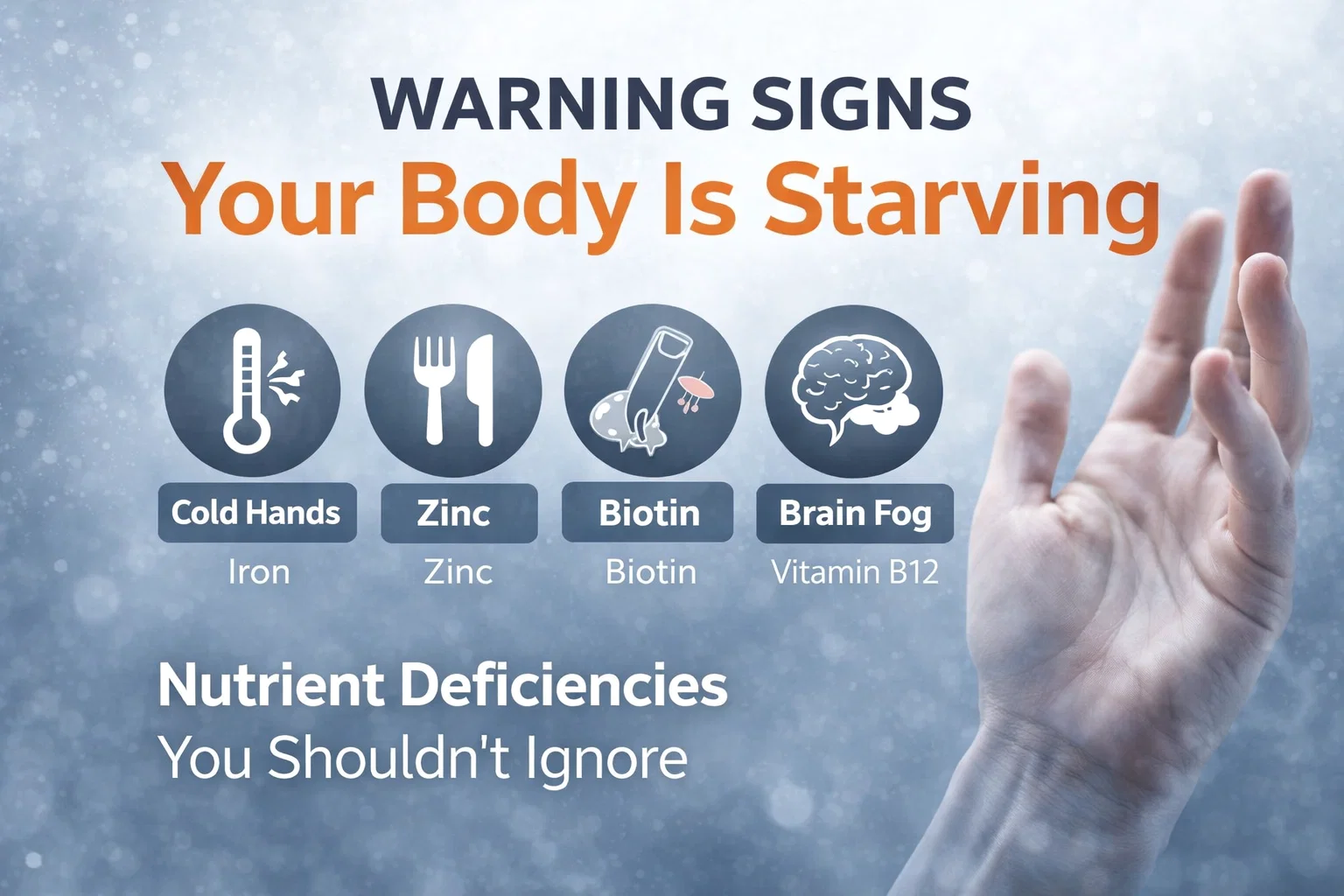
Have you ever woken up feeling like your internal battery is permanently stuck at five percent, despite getting a full night of sleep? Or perhaps you have noticed your hands are always ice-cold, even in a warm room, and your hair seems to be thinning more than usual. It is easy to brush these things off as signs of aging or a busy lifestyle, but your body is actually a master communicator. When you experience these small, nagging physical symptoms, it is often your biology sending a flare signal that it is starving for specific nutrients. Understanding these signals is the first step toward reclaiming your vitality and ensuring your long-term health stays on track.
The Hidden Language of Your Body
Most of us think of starvation as a lack of calories, but there is a much more subtle version called hidden hunger. This occurs when you are eating enough food but not getting the essential vitamins and minerals your cells need to function. When your internal systems are deprived of these building blocks, they start to prioritize survival over flourish. This leads to the “silent signs” we often ignore until they become chronic issues. By learning to decode these sixteen specific warnings, you can bridge the gap between just surviving and truly thriving.
Iron Deficiency: More Than Just Feeling Tired
Iron is the primary vehicle for oxygen in your bloodstream. When you are low on iron, your body struggles to transport oxygen to your brain, muscles, and extremities. This manifests in several distinct ways that go beyond simple exhaustion.
Cold Hands and Feet
If your fingers feel like icicles while everyone else is comfortable, your circulation might be the culprit. Without enough iron to create healthy red blood cells, your body pulls heat and blood flow toward your vital organs, leaving your hands and feet out in the cold.
Shortness of Breath
Do you get winded walking up a single flight of stairs? When your iron levels are depleted, your heart has to work much harder to move oxygenated blood around. This leaves you feeling breathless even during mild exertion.
Hair Loss and Brittle Texture
Iron is essential for the growth of hair cells. When your body is in survival mode due to an iron shortage, it directs oxygen to support vital functions first, meaning your hair follicles are the first to lose out. This results in shedding and a lack of luster.
The Power of Magnesium for Muscles and Nerves
Magnesium is involved in over three hundred biochemical reactions in the human body. It is the ultimate “relaxation mineral,” and when it is missing, your body becomes tense, cramped, and weak.
Leg Cramps and Muscle Twitches
That annoying twitch in your eyelid or the painful charley horse that wakes you up at 3:00 AM is a classic sign of magnesium deficiency. This mineral allows your muscles to relax after contracting; without it, your fibers stay locked in a state of tension.
General Muscle Weakness
If lifting your grocery bags feels heavier than usual, it might not be a lack of strength but a lack of magnesium. It plays a crucial role in ATP production, which is the primary energy currency of your cells. Low magnesium equals low physical power.
Vitamin B12 and the Neurological Connection
Vitamin B12 is the guardian of your nervous system. It helps maintain the protective sheath around your nerves and is vital for cognitive function. Because our bodies do not produce it naturally, we rely entirely on diet and supplementation.
The Fog of Brain Fatigue
Brain fog is that frustrating feeling where you cannot focus, your thoughts feel sluggish, and you are constantly searching for the right word. Since B12 is essential for brain health, a deficiency can make you feel like you are walking through a mental haze.
Tingling and Numbness
Have you ever felt “pins and needles” in your hands or feet for no apparent reason? This sensation, known as paresthesia, happens when the myelin sheath surrounding your nerves begins to thin due to a lack of B12. It is a direct warning from your nervous system that it needs support.
Zinc: The Shield for Your Immune System
Zinc is a trace mineral, but its impact is massive. It acts as a gatekeeper for your immune cells and plays a major role in your sense of taste and appetite.
Frequent Infections and Slow Healing
If you find yourself catching every cold that goes around the office or if a small scratch takes weeks to heal, your zinc levels might be bottoming out. Zinc is required for the production of new cells and the activation of T-lymphocytes that fight off illness.
Loss of Appetite
Zinc is tied closely to your senses of taste and smell. When you are deficient, food might start to taste bland or unappealing, leading to a natural drop in your desire to eat. This creates a cycle where you eat less and therefore consume even fewer nutrients.
Vitamin A: Protecting Your Vision and Surfaces
Vitamin A is famous for eye health, but it is also responsible for maintaining the moisture and integrity of the “wet” surfaces of your body, including your mouth and the surface of your eyes.
Dry Eyes and Night Blindness
Dry, itchy eyes are more than just a byproduct of screen time. Vitamin A helps produce the pigments in your retina and keeps your tear ducts functioning. Without it, your eyes can become chronically dry and your vision can fade in low-light settings.
Persistent Dry Mouth
A lack of Vitamin A can reduce your saliva production. This leads to a constant feeling of thirst or a “cotton mouth” sensation that does not go away with water alone. This can eventually lead to dental issues since saliva is necessary to protect your teeth from bacteria.
The Sunshine Vitamin and Your Mood
Vitamin D is actually a pro-hormone that every single cell in your body has a receptor for. While we often think of it for bone health, its impact on our mental state and daily energy is profound.
Tired All Day Long
If you feel a sense of heavy, dragging fatigue that a cup of coffee cannot fix, check your Vitamin D levels. Low levels are strongly linked to chronic fatigue and a general sense of lethargy that makes daily tasks feel like a mountain to climb.
Feeling Low and Mood Swings
There is a reason we feel better in the sun. Vitamin D is crucial for the production of serotonin, the “feel-good” hormone. When you are deficient, you may experience symptoms of low mood, irritability, or even seasonal affective disorder.
Other Critical Markers: Biotin, Omega-3, and B6
While the heavy hitters like Iron and Magnesium get most of the attention, several other nutrients play supporting roles that are just as vital for your daily quality of life.
Brittle Nails and Biotin (B7)
Biotin is part of the B-complex family and is essential for the production of keratin. If your nails are constantly peeling, splitting, or breaking, it is a sign that your body lacks the Biotin necessary to build strong structural proteins.
Forgetfulness and Omega-3 Fatty Acids
Your brain is about sixty percent fat, and much of that is Omega-3. These fatty acids are essential for communication between brain cells. If you find yourself forgetting where you put your keys or failing to remember simple appointments, your brain might be asking for more healthy fats.
Vitamin B6 and Emotional Balance
B6 is involved in creating neurotransmitters that regulate emotions. If you are feeling “low” or experiencing unexplained anxiety, it could be a sign that your body is struggling to synthesize the chemicals needed to keep your mood stable.
How to Reclaim Your Nutritional Health
Identifying these signs is the hard part; fixing them is a journey of consistency. The best approach is always “food first.” By incorporating a diverse range of colorful vegetables, lean proteins, nuts, and seeds, you provide your body with a broad spectrum of what it needs.
However, modern soil depletion and high stress levels sometimes mean that food alone is not enough. If you recognize more than three or four of these symptoms in yourself, it is worth consulting with a healthcare professional for a simple blood panel. This takes the guesswork out of the equation and allows you to supplement intelligently rather than blindly.
Conclusion: Honor Your Body’s Signals
Your body is not a machine that simply breaks down; it is a living organism that adapts to the resources it is given. Those cold hands, the brain fog, and the muscle cramps are not just inconveniences. They are a roadmap leading you toward better health. When you stop ignoring these “silent” warnings and start providing the specific nutrients your body is starving for, you will be amazed at how quickly your energy, mood, and physical strength can return.
Start today by picking one or two areas where you feel the most “starved” and make a conscious effort to nourish yourself. Whether it is adding more leafy greens for magnesium or spending fifteen minutes in the sun for Vitamin D, your future self will thank you for listening.