16 Superfoods That Act Like Natural Medicine for Your Body Holistic Health Guide
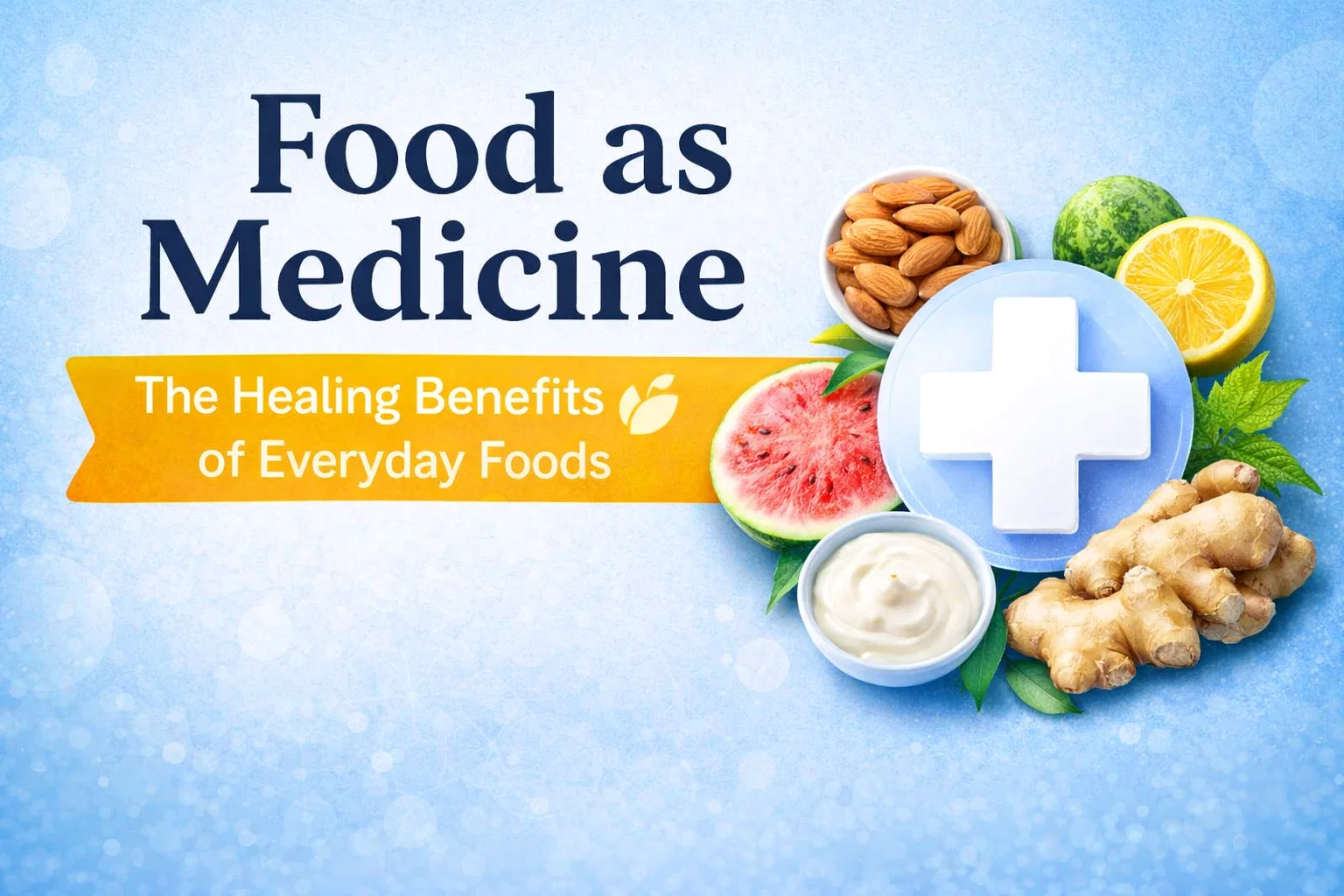
Have you ever walked through the produce aisle and realized you were actually standing in a natural pharmacy? The concept of food as medicine is not just a modern wellness trend; it is a fundamental truth that has guided human health for centuries. Every vibrant fruit, crunchy nut, and aromatic spice in your kitchen carries a specific set of chemical compounds designed by nature to help your body thrive. When we shift our perspective from eating for calories to eating for cellular support, everything changes. Instead of reaching for a pill bottle at the first sign of a muscle cramp or a sluggish afternoon, we can look toward the colorful bounty of the earth to find sustainable, holistic solutions.
The Science Behind the Food is Medicine Movement
In a world dominated by processed snacks and quick fixes, the return to whole foods is a revolutionary act. The phrase Food is Medicine implies that what we put on our plates acts as the building blocks for our hormones, the fuel for our brain, and the defense system for our immunity. Science consistently backs this up. For instance, the antioxidants in berries or the curcumin in turmeric are not just pigments; they are active biological agents that interact with our DNA to reduce inflammation and prevent chronic disease.
Bioavailability and Whole Food Synergy
One reason whole foods often outperform isolated supplements is synergy. When you eat an orange, you aren’t just getting Vitamin C; you are getting fiber, potassium, and flavonoids that help your body absorb that vitamin more effectively. This is why a balanced diet filled with the items shown in our guide provides a level of protection that a multivitamin simply cannot match. By consuming these nutrient-dense foods, you are giving your body a complex toolkit to repair itself in real time.
Natural Remedies for Physical Recovery and Pain
Muscle soreness and cramps can derail even the most dedicated fitness routine. While many people reach for over the counter pain relievers, nature offers some incredibly potent alternatives that work with your biology rather than just masking the symptoms.
Bananas for Muscle Cramps
The humble banana is famous for its potassium content, but its benefits for muscle health go deeper. Potassium is a vital electrolyte that facilitates nerve signals and muscle contractions. When your levels are low, your muscles can seize up in painful cramps. Pairing a banana with adequate hydration ensures that your muscles stay fluid and responsive, especially after a heavy workout or a long day on your feet.
Ginger for Muscle Pain and Soreness
If you suffer from delayed onset muscle soreness (DOMS), ginger should be your best friend. This spicy root contains gingerols, which are powerful anti-inflammatory compounds. Studies have shown that consuming ginger daily can significantly reduce the progression of muscle pain over time. It works similarly to non steroidal anti inflammatory drugs but without the potential for stomach irritation. You can grate fresh ginger into tea or add it to a stir fry to reap these recovery benefits.
Turmeric: The Ultimate Anti-Inflammatory
Turmeric is perhaps the most well researched spice in the world of holistic health. Its active ingredient, curcumin, is a bioactive substance that fights inflammation at the molecular level. Whether you are dealing with joint pain, recovery from an injury, or systemic inflammation caused by stress, turmeric acts as a natural shield. To maximize its effectiveness, always consume it with a pinch of black pepper, which increases curcumin absorption by a staggering 2,000 percent.
Fueling the Mind: Brain Function and Mental Clarity
Your brain is the most energy demanding organ in your body, consuming about 20 percent of your daily calories. Feeding it the right fats and proteins is essential for maintaining focus, memory, and long term cognitive health.
Almonds for Cognitive Longevity
Almonds are more than just a convenient snack; they are a concentrated source of Vitamin E, which is known to support brain health and prevent cognitive decline. These nuts are also rich in healthy fats and fiber, providing a steady stream of energy to the brain rather than the “crash and burn” cycle associated with sugary snacks. A handful of almonds in the afternoon can be the difference between a productive workday and a mental fog.
Walnuts for Heart and Brain Health
Have you ever noticed that a walnut looks remarkably like a human brain? In the world of herbalism, this is known as the Doctrine of Signatures, and in this case, nature is spot on. Walnuts are exceptionally high in DHA, a type of Omega 3 fatty acid that protects brain health in newborns, improves cognitive performance in adults, and prevents age related brain decay. Furthermore, their benefit to heart health ensures that oxygen rich blood is flowing efficiently to your head, keeping you sharp and alert.
Hydration and Skin Vitality from the Inside Out
We often spend hundreds of dollars on topical creams and serums to keep our skin looking youthful, but the most effective skincare routine actually starts in the kitchen. True skin hydration comes from the water content and minerals found in the foods we eat.
Watermelon and Cucumber: The Hydration Heroes
Both watermelon and cucumber are composed of over 90 percent water, but they offer more than just H2O. Watermelon is rich in lycopene, which helps protect the skin from sun damage, while cucumbers contain silica, a trace mineral that strengthens connective tissues and improves skin elasticity. Eating these foods helps maintain your fluid balance more effectively than drinking plain water alone because the structured water in plants is absorbed more slowly by the body.
Lemons for Detoxification
While the word “detox” is often overused, lemons truly do support the body’s natural filtration systems. The citric acid in lemons helps stimulate the liver and aids in the flushing of toxins. Starting your day with warm lemon water wakes up your digestive tract and provides a burst of Vitamin C that encourages collagen production, leading to clearer and brighter skin over time.
Managing Blood Vitality: Pressure, Sugar, and Flow
Maintaining healthy blood markers is the key to preventing long term cardiovascular issues. The foods we choose can act as natural regulators for our internal systems.
Beets for Natural Blood Pressure Management
Beets are nature’s “pre-workout” and heart tonic. They are loaded with dietary nitrates, which the body converts into nitric oxide. Nitric oxide relaxes and dilates your blood vessels, which improves blood flow and naturally lowers blood pressure. Whether you drink beet juice or roast them for a salad, these earthy root vegetables are essential for anyone looking to support their cardiovascular system naturally.
Cinnamon for Blood Sugar Stability
Cinnamon is much more than a holiday spice. It has been shown to improve insulin sensitivity and lower blood sugar levels by slowing the breakdown of carbohydrates in the digestive tract. By adding a teaspoon of cinnamon to your morning oats or yogurt, you can prevent the insulin spikes that lead to energy crashes and sugar cravings later in the day.
Digestive Harmony and Gut Health
A healthy gut is the foundation of a healthy life. If your digestion is off, your body cannot absorb the nutrients from the healthy foods you are eating. These kitchen staples ensure your system stays regular and efficient.
Apples for Constipation and Fiber
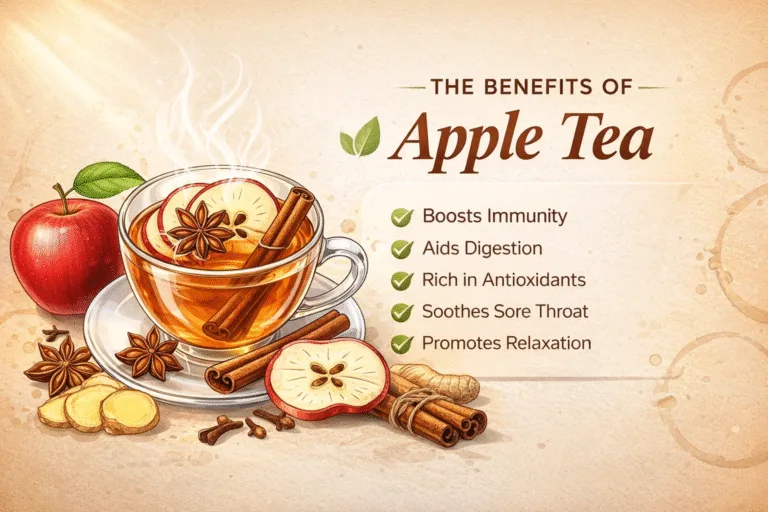
The old saying “an apple a day keeps the doctor away” holds a lot of truth when it comes to digestion. Apples are rich in pectin, a type of soluble fiber that acts as a natural laxative. Pectin draws water into the colon and adds bulk to the stool, making it much easier for your system to process waste. Plus, the prebiotic fibers in apples feed the good bacteria in your gut, supporting a healthy microbiome.
Yogurt for Probiotic Support
Yogurt is one of the best sources of probiotics, the live “friendly” bacteria that live in your digestive tract. These microbes are responsible for everything from breaking down food to producing serotonin (the happy hormone). Regular consumption of high quality, fermented yogurt can reduce bloating, improve digestion, and even strengthen your immune system.
Oats for Cholesterol and Satiety
Oats contain a specific type of fiber called beta glucan. This fiber forms a gel like substance in the gut that binds to cholesterol and prevents it from being absorbed into the bloodstream. This makes oats one of the most effective foods for managing heart health while keeping you full and satisfied throughout the morning.
Boosting Immunity and Energy
In a fast paced world, we need our immune systems to be resilient and our energy levels to be consistent. Instead of relying on caffeine and synthetic vitamins, we can look to these powerhouses.
Strawberries for Immune Defense
When people think of Vitamin C, they usually think of oranges, but strawberries are an incredible source of this vital nutrient. Vitamin C stimulates the production of white blood cells, which are the body’s primary defense against infections. The polyphenols in strawberries also provide a protective effect against oxidative stress, keeping your cells healthy and strong.
Eggs for Sustainable Energy
Eggs are often called “nature’s multivitamin” for a good reason. They contain almost every nutrient the human body needs, including high quality protein, B vitamins, and choline. The healthy fats and protein in eggs provide a steady, long lasting source of energy, making them the perfect breakfast to power you through a busy day without the mid morning slump.
Honey for a Sore Throat
Honey is one of the oldest medicines known to man. It has natural antibacterial and antimicrobial properties that make it incredibly effective at coating the throat and suppressing coughs. Unlike synthetic cough syrups, honey is gentle on the body and provides a soothing, natural way to recover from seasonal illnesses.
Conclusion: Building Your Kitchen Pharmacy
Integrating these 16 superfoods into your daily life doesn’t require a radical lifestyle overhaul. It starts with small, intentional choices. It is about choosing a bowl of oatmeal over a sugary cereal, or reaching for a ginger tea when your joints feel stiff. By viewing your meals through the lens of “Food is Medicine,” you empower yourself to take control of your health in the most delicious way possible.
Remember that consistency is key. One salad won’t fix a lifetime of poor habits, but a lifestyle built around these nutrient dense whole foods will create a foundation of vitality that lasts for decades. Start today by picking three items from this list and adding them to your grocery cart. Your body will thank you for the natural support, and you will likely find that the best medicine in the world is already waiting for you in your kitchen.