16 Warning Signs of Nutrient Deficiencies Vitamin and Mineral Deficiency Guide for Health
Your body is a sophisticated communication system. It doesn’t always use words to tell you that something is wrong; instead, it uses whispers, subtle shifts, and physical cues that we often dismiss as part of getting older or having a busy week. When you experience cold hands, a sudden bout of forgetfulness, or an unusual tingling in your limbs, your body is likely sending out a distress signal. It is effectively starving from the inside, not necessarily for calories, but for the vital micronutrients that keep your cellular machinery running smoothly. Understanding these silent signs is the first step toward reclaiming your vitality and ensuring your long term health through targeted nutrition and holistic awareness.
The Hidden Hunger: Why Nutrient Deficiencies Go Unnoticed
In a world where food is more accessible than ever, it seems contradictory to talk about starvation. However, modern diets are frequently calorie rich but nutrient poor. This phenomenon, often called hidden hunger, occurs when the quality of the food you consume does not meet your body’s requirements for essential vitamins and minerals. Because these deficiencies develop slowly over time, the symptoms are easy to overlook. You might attribute your fatigue to a poor night’s sleep or your dry eyes to too much screen time, when in reality, your biochemistry is struggling to balance itself without the proper tools.
Addressing these deficiencies isn’t just about aesthetic goals like clearer skin or thicker hair. It is about supporting your immune system, optimizing your cognitive function, and preventing chronic conditions before they take root. By learning to decode the language of your body, you can move from a state of merely surviving to truly thriving.
Iron Deficiency: More Than Just Feeling Tired
Iron is perhaps one of the most well known minerals, yet iron deficiency remains one of the most common nutritional gaps worldwide. It is the primary component of hemoglobin, the protein in red blood cells that carries oxygen from your lungs to the rest of your body. When iron levels are low, your cells are quite literally gasping for air.
Cold Hands and Feet
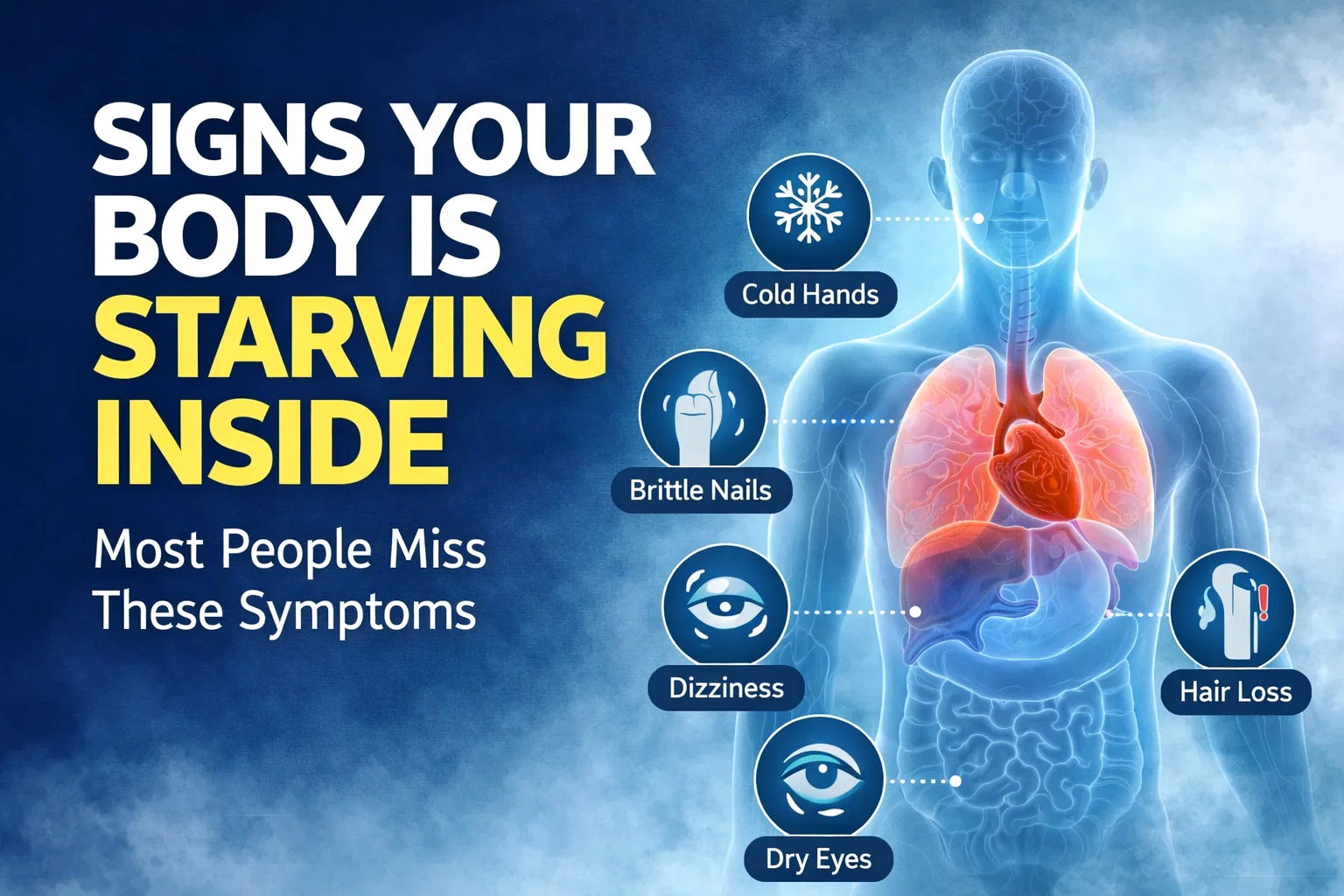
Do you find yourself wearing socks to bed even in the summer? Chronic coldness in the extremities is a classic sign of iron deficiency. Without enough iron to produce healthy red blood cells, your body prioritizes sending blood to your vital organs, leaving your hands and feet out in the cold. This poor circulation is a direct result of the body’s survival mechanism in the face of low oxygen transport.
Shortness of Breath and Dizziness
If walking up a single flight of stairs leaves you winded, your iron stores might be the culprit. When your muscles and tissues aren’t receiving enough oxygen, your heart has to work harder to pump blood, leading to that feeling of being out of breath. This can also manifest as dizziness or lightheadedness, especially when standing up quickly. It is a sign that your brain and muscles are struggling to get the fuel they need to function at a basic level.
Hair Loss and Brittle Appearance
Your body considers your hair a non essential luxury. When iron is scarce, the body diverts its limited supply away from hair follicles to support life sustaining functions. This can lead to noticeable thinning, excessive shedding, or hair that feels dry and straw like. If you notice more hair than usual in your shower drain, it might be time to check your ferritin levels.
The Cognitive Connection: B12 and Omega-3
The brain is a hungry organ, consuming about 20 percent of the body’s energy. It relies heavily on specific nutrients to maintain the myelin sheath that protects nerves and to produce the neurotransmitters that regulate mood and memory.
Brain Fog and Forgetfulness
Feeling like you are living in a mental haze is often linked to Vitamin B12 and Omega-3 fatty acids. Vitamin B12 is essential for nerve health and the formation of DNA. A deficiency can lead to brain fog, where thinking clearly feels like wading through mud. Similarly, Omega-3s are the building blocks of brain cell membranes. Low levels are frequently associated with forgetfulness and a decline in cognitive sharpness. Keeping these nutrients in check is like giving your brain a high speed internet connection instead of a dial up signal.
Tingling Sensations and Nerve Health
That pins and needles feeling in your hands or feet, known as paresthesia, is a major warning sign for Vitamin B12 deficiency. Because B12 helps produce the protective coating around your nerves, a lack of it can lead to nerve damage or abnormal signaling. If left unaddressed, this can progress from occasional tingling to more permanent neurological issues.
Magnesium: The Master Relaxer
Magnesium is involved in over 300 biochemical reactions in the human body, yet a significant portion of the population is deficient due to soil depletion and high stress lifestyles. It acts as a natural calcium blocker, helping muscles relax after they contract.
Leg Cramps and Muscle Spasms
If you are woken up in the middle of the night by a painful charley horse, your body is likely screaming for magnesium. When magnesium levels are low, your muscles stay in a state of partial contraction, leading to spasms, twitches, and cramps. This applies not just to your legs but can even manifest as an annoying eye twitch that won’t go away.
Muscle Weakness and Fatigue
Beyond just cramps, magnesium is vital for the production of ATP, the primary energy currency of your cells. Without it, you might feel a generalized sense of muscle weakness. Tasks that used to feel easy suddenly require a lot more effort. Ensuring adequate magnesium intake can improve physical performance and help you feel more physically capable throughout the day.
Vitamin A and Zinc: The Defenders of the Body
Your immune system and your sensory organs require specific catalysts to stay sharp. Vitamin A and Zinc are the dynamic duo when it comes to protection and repair.
Dry Eyes and Mouth
Vitamin A is crucial for maintaining the moisture producing membranes of the body. If you struggle with chronically dry eyes or a persistent dry mouth, it could be a sign that your Vitamin A levels are suboptimal. This vitamin helps the eyes produce tears and ensures that the surface of the eye stays lubricated and healthy.
Frequent Infections and Poor Appetite
Zinc is a powerhouse for the immune system. It helps the body produce T cells and protects cell membranes against pathogens. If you find yourself catching every cold that goes around the office, a zinc deficiency might be weakening your defenses. Interestingly, zinc is also tied to your sense of taste and smell. A loss of appetite or food tasting bland can be a subtle indicator that you need more of this essential mineral.
The Sunlight Vitamin: Vitamin D and Mood
Vitamin D functions more like a hormone than a vitamin, impacting everything from bone density to gene expression. Since we primarily get it from sun exposure, many people living in northern climates or working indoors are chronically deficient.
Feeling Low and Seasonal Blues
There is a strong correlation between low Vitamin D levels and mood disorders, including depression and anxiety. Receptors for Vitamin D are located throughout the brain, including in areas involved in the regulation of mood. If you feel persistently low or unmotivated, especially during the winter months, your Vitamin D stores may be depleted.
Tired All Day
While iron is often blamed for fatigue, Vitamin D plays a massive role in energy levels too. Chronic fatigue that doesn’t improve with rest is a hallmark sign of a deficiency. It affects the efficiency of mitochondria, the power plants of your cells. Boosting your Vitamin D can often feel like someone finally plugged your internal battery into a charger.
Biotin and B6: The Beauty and Balance Nutrients
B vitamins are water soluble, meaning your body doesn’t store them in large amounts and needs a steady supply from your diet. They are the quiet workers behind the scenes of your metabolism and nervous system.
Brittle Nails
Biotin, also known as Vitamin B7, is the go to nutrient for keratin production. Keratin is the protein that makes up your hair and nails. If your nails are constantly peeling, breaking, or feel paper thin, your body is likely lacking the biotin needed to build a strong structure. Supplementing or increasing biotin rich foods can lead to a noticeable difference in nail strength and growth speed.
Emotional Stability and B6
Vitamin B6 is essential for the creation of serotonin and dopamine, the feel good chemicals in your brain. A deficiency can lead to irritability, anxiety, and a general feeling of being overwhelmed. By supporting your B6 levels, you are giving your nervous system the stability it needs to handle the stresses of daily life with more grace.
Conclusion: Listening to Your Inner Voice
The 16 signs mentioned in this guide are not just random annoyances; they are a roadmap to your internal health. Whether it is the tingling in your fingers or the fog in your brain, these symptoms are invitations to look deeper at your nutrition and lifestyle. Your body has an incredible capacity for healing and regeneration, provided it has the right raw materials to work with.
Before rushing to the supplement aisle, it is always a good idea to consult with a healthcare professional for blood work to confirm specific deficiencies. Once you know what your body is missing, you can focus on a nutrient dense diet filled with colorful vegetables, high quality proteins, and healthy fats. By paying attention to these silent signs today, you are investing in a more vibrant, energetic, and healthy version of yourself for tomorrow. Don’t ignore the whispers; they are the key to unlocking your best health.
Would you like me to create a meal plan or a shopping list tailored to these specific nutrient needs?