19 Essential Vitamin Deficiencies Natural Remedies for Health Wellness Healing Tips
Have you ever woken up with a persistent twitch in your eyelid, a sudden patch of dry skin, or a level of fatigue that three cups of coffee simply cannot fix? It is easy to brush these things off as a byproduct of a busy lifestyle or a bad night of sleep. However, your body is a sophisticated communication system, and these minor annoyances are often its way of sending a distress signal. Instead of masking these symptoms with temporary fixes, it is time to look deeper at the fuel you are providing your cells. Understanding the link between common physical ailments and vitamin deficiencies is the ultimate shortcut to reclaiming your vitality.
The modern diet, while calorie-rich, is frequently nutrient-poor. Between soil depletion and the prevalence of processed foods, many of us are walking around with “hidden hunger,” a state where we have enough energy to function but not enough micronutrients to thrive. This guide dives into the science of nutritional signals, helping you decode what your body is trying to tell you and how to fix it naturally.
The Science of Surface Signals: Skin, Hair, and Nails
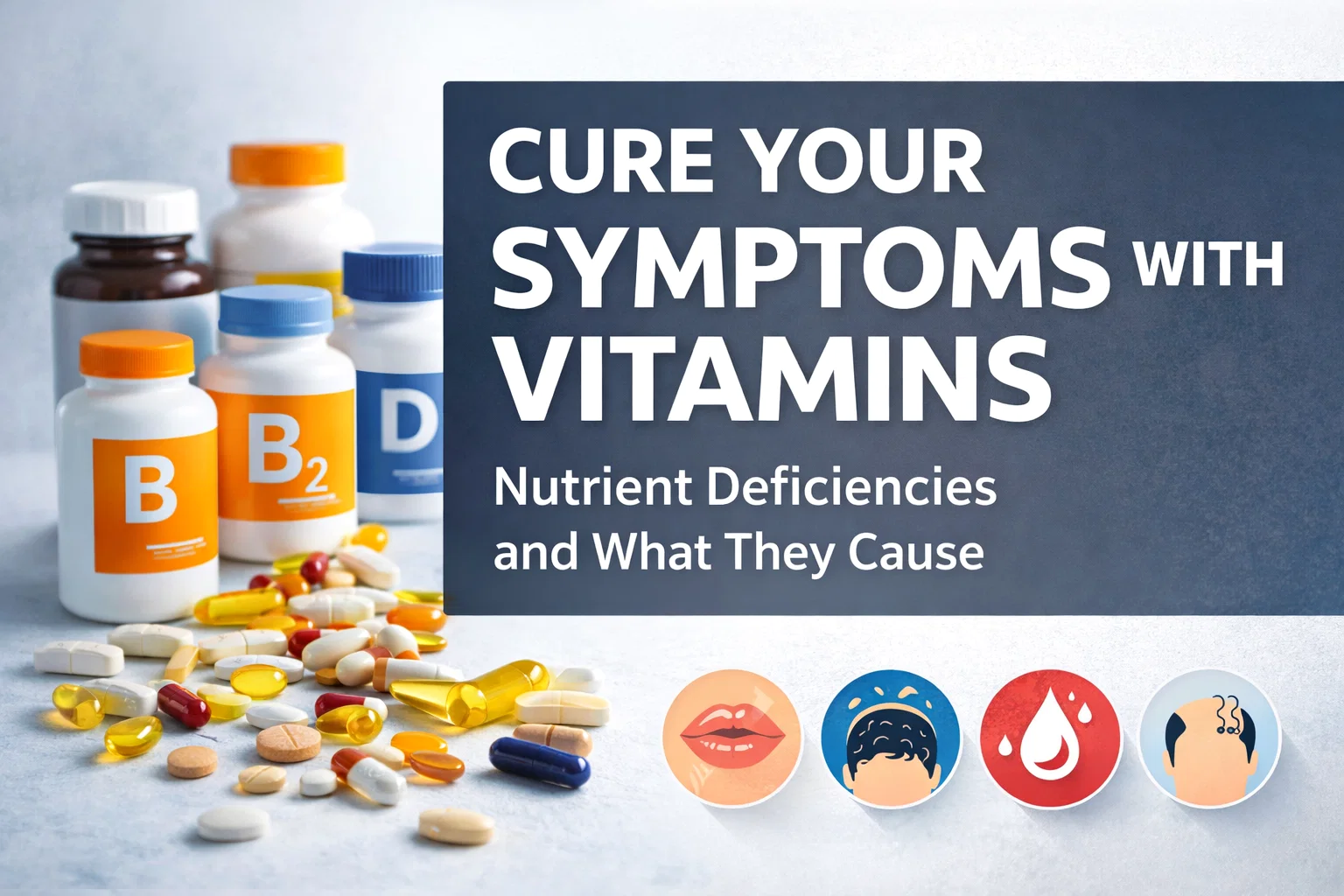
Your exterior is often the first place a nutrient deficiency reveals itself. Because your body prioritizes internal organs like the heart and liver, it will often “steal” nutrients from your hair, skin, and nails when supplies are low. If you are noticing changes in your reflection, it might be time to check your vitamin intake.
Cracked Lips and Skin Health
Cracked corners of the mouth, known medically as angular cheilitis, are a classic sign that you are running low on B vitamins, specifically B2 (riboflavin), B3 (niacin), and B6 (pyridoxine). These vitamins are essential for cell turnover and maintaining the structural integrity of your mucosal membranes. Additionally, a lack of iron can exacerbate this issue, as iron is necessary for carrying oxygen to the skin cells that need to heal.
Dandruff and Scalp Issues
While we often blame hair products for dandruff, it is frequently an internal issue. Zinc is a powerhouse mineral for the scalp because it helps regulate sebum production and has antimicrobial properties. When paired with Vitamin B6 and Omega 3 fatty acids, it creates a barrier that prevents the flaking and itching associated with a dry or inflamed scalp. Omega 3s specifically act as a natural internal moisturizer, keeping your skin cells hydrated from the inside out.
Brittle Nails and Thinning Hair
If your nails snap at the slightest touch or your hair seems to have lost its luster, Biotin (Vitamin B7) is usually the first suspect. Biotin helps produce keratin, the protein that makes up your hair and nails. However, hair loss is rarely a one-nutrient problem. Vitamins A and E provide the antioxidant support needed to protect hair follicles from oxidative stress, ensuring that new growth is strong and healthy.
Energy and Mental Clarity: The B-Vitamin Powerhouse
Feeling sluggish is perhaps the most common complaint in the modern world. While we often reach for caffeine, the real solution usually lies in the way our bodies convert food into cellular energy. This process is entirely dependent on a specific group of vitamins and minerals.
The Fatigue Connection
Chronic fatigue is a hallmark of Vitamin B12 and Iron deficiency. These two nutrients are responsible for the health of your red blood cells. Without enough B12, your body cannot produce enough healthy red blood cells, leading to a type of anemia that leaves you feeling breathless and exhausted. Vitamin D also plays a massive role here; low levels are linked to daytime sleepiness and a general sense of “heaviness” that no amount of sleep can cure.
Muscle Weakness and Cramps
Weakness in the limbs is often a sign that your electrolytes and B1 vitamins are out of balance. Vitamin B1 (thiamine) is crucial for nerve signaling and muscle contraction. If you find yourself experiencing frequent muscle cramps or “charley horses” at night, your body is likely screaming for Magnesium and Potassium. These minerals allow your muscles to relax after contraction. Without them, your muscles stay in a state of partial tension, leading to pain and spasms.
Tingling, Numbness, and Nerve Health
That “pins and needles” sensation in your hands or feet is not always about circulation. It is a common symptom of nerve damage or irritation caused by a lack of B12, B1, and B6. These vitamins maintain the myelin sheath, which is the protective coating around your nerves. When that coating wears thin, the electrical signals in your body get “crossed,” resulting in numbness or tingling.
Immunity and Wound Healing
If you find that you catch every cold that goes around the office, or if a simple papercut takes weeks to heal, your internal repair crew is likely understaffed. Your immune system requires a specific cocktail of nutrients to identify and destroy pathogens effectively.
Frequent Infections and Vitamin C
Vitamin C is the most famous immune booster for a reason. It stimulates the production of white blood cells, which are your body’s primary defense against infection. However, it does not work alone. Zinc and Vitamin D are equally important. Zinc acts as a “gatekeeper” for immune function, while Vitamin D helps your body distinguish between healthy cells and foreign invaders, preventing overactive immune responses.
The Secret to Slow Wound Healing
Healing a physical wound requires a massive amount of cellular resources. Vitamin C is necessary for collagen synthesis, which creates the “scaffold” for new skin. Zinc is required for cell division, and protein provides the raw building blocks for tissue repair. If any of these are missing, the healing process stalls, leaving you vulnerable to secondary infections.
Mood, Memory, and Cognitive Function
We often think of our mood as purely emotional, but it is deeply biological. The neurotransmitters that regulate happiness, calm, and focus are synthesized from the vitamins and minerals we consume.
Managing Mood Swings Naturally
Irritability and mood swings are frequently tied to Vitamin D and Magnesium. Vitamin D acts more like a hormone than a vitamin, influencing the production of serotonin. Magnesium, often called “nature’s relaxant,” helps regulate the stress response by binding to GABA receptors in the brain. When you are low on these, your fuse becomes much shorter, and your ability to handle daily stress diminishes.
Memory Issues and Brain Fog
If you are struggling with “brain fog” or memory lapses, your brain might be lacking the essential fats and vitamins it needs to maintain cognitive pathways. Omega 3 fatty acids make up a large portion of the brain’s structure, while Vitamin B12 is essential for maintaining the brain’s volume and function as we age. Adding Vitamin E provides an antioxidant shield, protecting your brain cells from the damage caused by free radicals.
Bone Health and Internal Integrity
You cannot feel your bones getting weaker, which is why nutritional prevention is so vital. While we all know about calcium, the supporting cast is just as important for ensuring that calcium actually reaches your bones instead of depositing in your arteries.
- Vitamin D: This is the key that unlocks the door for calcium absorption in the gut. Without it, you could eat all the calcium in the world and still have weak bones.
- Vitamin K: Think of Vitamin K as the “traffic cop” that directs calcium into the bone matrix and keeps it out of soft tissues like the heart.
- Magnesium: Magnesium converts Vitamin D into its active form, making it a crucial part of the bone-building trio.
Bleeding Gums and Vitamin C
If your gums bleed when you brush your teeth, it is not always a sign of poor flossing. It can be an early symptom of Vitamin C deficiency (a mild form of scurvy). Vitamin C is what keeps the connective tissue in your gums strong. Zinc and Vitamin K also contribute to oral health by promoting tissue repair and proper blood clotting.
Optimizing Your Nutrient Intake
Knowing which vitamins you need is only half the battle. You also need to understand how to consume them for maximum benefit. Many vitamins are “fat-soluble,” meaning they require dietary fat to be absorbed by your body. If you take Vitamin D, A, E, or K on an empty stomach, you might be wasting your money. Pairing these supplements with a meal that contains healthy fats, such as eggs, avocado, or olive oil, can increase absorption significantly.
Furthermore, timing matters. Some nutrients compete for the same receptors. For example, high doses of calcium can interfere with iron absorption. If you are trying to correct an iron deficiency, it is best to take your iron supplement with a source of Vitamin C (like orange juice) to boost absorption, and keep it separate from your dairy intake.
A Note on Whole Foods vs. Supplements
While supplements are a fantastic tool for correcting a deficiency quickly, they should never replace a diverse diet. Whole foods contain co-factors and phytonutrients that work synergistically with vitamins in ways that a pill cannot replicate. Aim to “eat the rainbow” by incorporating deep greens, vibrant berries, and high-quality proteins into your daily routine. Treat supplements as an insurance policy rather than the primary source of your nutrition.
Reclaiming Your Health from the Inside Out
Listening to your body is a skill that takes practice. The next time you notice a patch of dry skin, a sudden headache, or a dip in your mood, do not just reach for a quick fix. Instead, ask yourself what your body might be missing. Are you getting enough sunlight for Vitamin D? Have you been skimping on leafy greens and missing out on Magnesium? Have you prioritized healthy fats for your brain and skin?
By paying attention to these 19 essential signals, you can take a proactive approach to your wellness. Small, consistent changes in your nutritional intake can lead to profound improvements in how you look, feel, and function. Your body wants to be healthy; it just needs the right tools to do the job. Start nourishing yourself today, and watch as those nagging symptoms begin to fade away, replaced by the energy and clarity you deserve.
Would you like me to create a personalized meal plan or a shopping list based on these specific vitamin needs?