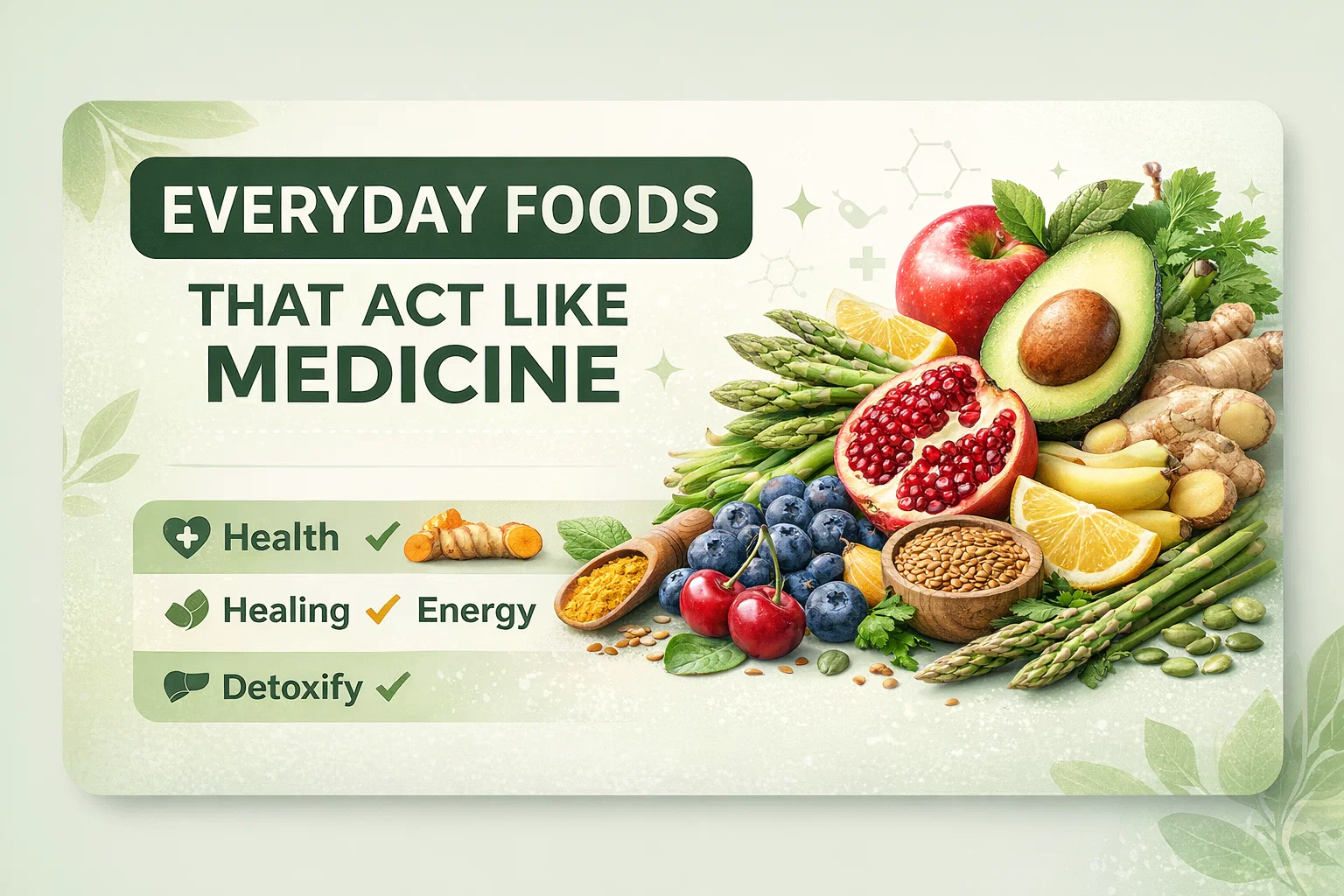
19 Everyday Foods That Act Like Natural Medicine Holistic Health Healing Superfoods
Have you ever walked through the produce aisle and realized you were actually standing in a natural pharmacy? It is a fascinating concept that the very foods we toss into our smoothie bowls or salads carry potent compounds capable of supporting our respiratory health, easing joint pain, and even sharpening our cognitive function. The idea of food as medicine is not just a modern wellness trend; it is a return to foundational health principles that prioritize prevention and nourishment. By understanding the specific roles that everyday fruits, vegetables, and seeds play in our biology, we can take a more proactive approach to our long-term vitality.
The Science of Using Food as Medicine
While modern medicine is essential for acute care, our daily diet provides the building blocks for our cellular health. When we consume colorful produce like beets or blueberries, we are not just eating calories. We are ingesting phytonutrients, antioxidants, and enzymes that communicate with our DNA. This biological signaling can help reduce systemic inflammation, which is the root cause of many chronic conditions. By focusing on whole, unprocessed foods, we give our bodies the tools they need to maintain homeostasis and heal from the inside out.
Building a Strong Foundation for Respiratory Health
We often think of lungs only when we are out of breath, but supporting respiratory health starts at the dinner table. Apples, for instance, are rich in a flavonoid called quercetin. This compound has been shown to protect the lungs against pollutants and may even improve overall breathing capacity. Combined with the hydrating properties of fruits like pineapples, which contain bromelain to help break down mucus, your diet can become a powerful ally during allergy seasons or cold winter months.
Detoxification and Internal Cleansing
Our bodies are naturally equipped with sophisticated detox systems, primarily involving the liver and kidneys. However, the modern world subjects us to a high volume of environmental toxins. Foods like lemons and asparagus act as natural catalysts for these processes. Lemons are famous for stimulating bile production, which helps the liver flush out waste, while asparagus acts as a mild diuretic to support kidney function. Including these in your weekly rotation ensures that your internal filtration systems stay efficient and clear.
Getty Images
Nourishing the Blood and Heart
The cardiovascular system is the highway of the body, and keeping it clear is vital for energy and longevity. Beets are a superstar in this category because they are high in nitrates, which the body converts into nitric oxide. This molecule helps relax and dilate blood vessels, improving blood flow and supporting healthy blood pressure levels. Similarly, avocados provide the monounsaturated fats necessary to keep your heart’s rhythm steady and your cholesterol levels in a healthy range. Pomegranates add another layer of protection with their deep red polyphenols that help prevent the hardening of arteries.
Managing Inflammation and Joint Health Naturally
Chronic pain and joint stiffness can significantly impact your quality of life. Instead of reaching for over the counter pills immediately, many people find relief through anti-inflammatory nutrition. Turmeric is perhaps the most well known spice for this, thanks to its active ingredient, curcumin. It works by blocking certain enzymes that cause swelling and pain. Cherries are another hidden gem; they contain anthocyanins that have been compared to the effects of common painkillers for reducing muscle soreness and joint discomfort after physical activity.
The Gut-Brain Connection: Digestion and Memory
There is a direct line of communication between your stomach and your brain. If your digestion is sluggish, your mental clarity often follows suit. Ginger and kiwi are excellent for keeping the digestive tract moving efficiently. Ginger settles the stomach and reduces nausea, while kiwi provides unique enzymes that help break down proteins. Once the gut is happy, you can focus on brain power. Blueberries are often called brain berries because they contain high levels of antioxidants that accumulate in the brain and improve communication between neurons, helping to stave off memory loss.
- Ginger: Best consumed as a fresh tea to soothe the digestive lining.
- Blueberries: Eat them raw to preserve the delicate heat-sensitive antioxidants.
- Flaxseeds: Always grind them before eating to ensure your body can absorb the healthy fats and fiber.
Metabolism and Energy Production
If you feel like your energy levels are constantly hitting a midday slump, it might be time to look at your mineral intake. Pumpkin seeds are an incredible source of magnesium and zinc, which are essential for metabolism and the conversion of food into usable energy. Bananas provide a quick, natural sugar boost paired with potassium to prevent muscle cramps and maintain nerve function. By choosing these whole food sources of energy, you avoid the crash associated with processed caffeine or sugary snacks.
Skin Health and Cellular Protection
True beauty and skin elasticity come from what we put into our bodies rather than just what we put on our skin. Papaya is a tropical powerhouse for the complexion, loaded with Vitamin C and papain, which help repair skin cells and promote a healthy glow. Spinach, being a dark leafy green, provides the folate and iron necessary for healthy cell division and oxygen transport. When your cells are well oxygenated and protected from oxidative stress, it shows in the clarity and texture of your skin.
How to Incorporate These Foods into Your Daily Routine
Knowing which foods are beneficial is the first step, but the real magic happens when you make them a consistent part of your lifestyle. You do not need a complete pantry overhaul overnight. Start by adding one or two of these medicinal foods to your existing meals. Perhaps you add flaxseeds to your morning oatmeal or swap your afternoon crackers for a handful of pumpkin seeds. Small, sustainable changes are much more effective than a temporary restrictive diet.
Creative Ways to Use Healing Ingredients
Cooking with medicinal foods should be an enjoyable culinary adventure. You can create a potent wellness tonic by simmering fresh ginger and turmeric with a slice of lemon. For a nutrient dense lunch, toss a large bowl of spinach with roasted beets, avocado slices, and a sprinkle of pomegranate seeds. By combining these ingredients, you create a synergistic effect where the nutrients work together to provide even greater health benefits than they would individually.
Understanding the Role of Seeds and Healthy Fats
Often overlooked, seeds and healthy fats are the “glue” that holds a nutritious diet together. Flaxseeds are a prime example of a tiny food with a massive impact. They are one of the best plant-based sources of Omega 3 fatty acids, which are crucial for brain health and reducing systemic inflammation. When paired with the healthy fats in avocados, these nutrients become even more bioavailable, meaning your body can actually use what you are eating more effectively. It is a reminder that in the world of nutrition, quality and combination matter just as much as quantity.
A Quick Reference Guide to Nature’s Pharmacy
To make your next grocery trip easier, keep this simple list in mind for targeting specific wellness goals. Every item on this list is a common, affordable ingredient that can be found in almost any local market.
- For Immunity: Pineapple, Lemons, and Kiwi.
- For Heart Health: Avocados, Pomegranates, and Beets.
- For Digestion: Ginger, Flaxseeds, and Papaya.
- For Brain & Mood: Blueberries and Pumpkin Seeds.
Consistency is the Key to Natural Healing
The most important thing to remember about using food as medicine is that it is not a one-time fix. Just as you wouldn’t expect a single workout to make you an athlete, you cannot expect one salad to solve a chronic health issue. The benefits of these foods are cumulative. Over weeks and months of consistent consumption, you will likely notice subtle but profound shifts in your energy, your skin, and your overall sense of well-being. Listen to your body and notice how it responds to these high-vibrational, nutrient-dense choices.
The Importance of Sourcing Quality Produce
Whenever possible, try to source your medicinal foods from organic or local farmers. While any fruit or vegetable is better than a processed snack, produce that is grown in nutrient-rich soil without heavy pesticides will have higher concentrations of the beneficial compounds we are looking for. Freshness also plays a role; a spinach leaf that was picked yesterday will have more active enzymes and vitamins than one that has been sitting in a plastic bag for two weeks. Visiting a local farmer’s market is a great way to find the most potent versions of these everyday medicines.
Conclusion: Empowering Your Wellness Journey
Embracing the “food as medicine” philosophy is one of the most empowering choices you can make for your health. It shifts the narrative from being a passive recipient of healthcare to being an active participant in your own vitality. By filling your plate with apples, turmeric, ginger, and greens, you are sending a clear message to your body that you value its function and longevity. Nature has provided us with an incredible array of tools to stay healthy; all we have to do is reach for them. Start today by choosing just one food from this list and incorporating it into your next meal. Your future self will certainly thank you for the investment in your long-term wellness.
Would you like me to help you create a 7-day meal plan that incorporates all 19 of these medicinal foods?