20 Best Detox Foods to Clean Your Organs Naturally Holistic Health Visual Guide
Nourishing your body is one of the most profound ways to practice self-care. While the modern world often pushes processed solutions and quick fixes, the most effective tools for vitality have always been found in the produce aisle and the garden. Every organ in your body performs a specific, vital function to keep you moving, thinking, and thriving. Understanding which whole foods specifically support these systems allows you to eat with intention, turning every meal into a building block for long term wellness.
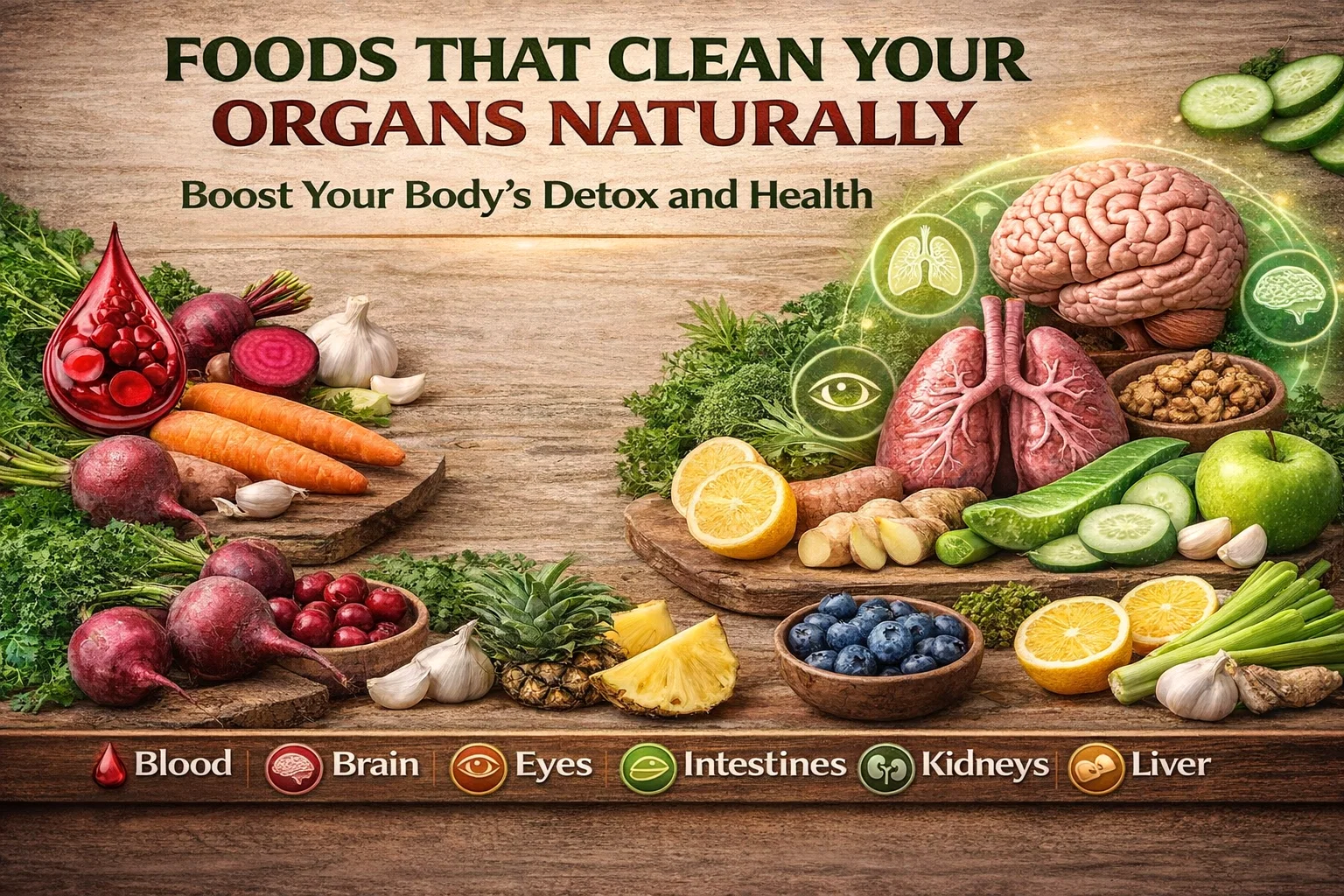
The concept of eating for organ health is rooted in the idea that nature provides specific nutrients that correspond to the needs of our biological systems. From the deep red pigments in beets that support our blood to the healthy fats in walnuts that fuel our brain, the connection between what we grow and how we glow is undeniable. This guide explores the most powerful natural foods you can incorporate into your lifestyle to cleanse, protect, and revitalize your body from the inside out.
The Power of Red: Foods for Blood and Heart Vitality
Your blood is the river of life, carrying oxygen and nutrients to every single cell. To keep this system running efficiently, you need foods that are rich in iron, antioxidants, and nitrates. Nature often gives us a clue by coloring these specific foods in deep shades of red and purple.
Beets and Nitric Oxide
Beets are perhaps the most iconic food for blood health. They are packed with natural nitrates, which the body converts into nitric oxide. This compound helps to relax and dilate blood vessels, improving circulation and supporting healthy blood pressure levels. Whether you roast them, juice them, or grate them into a salad, beets provide a massive boost to your cardiovascular system.
Pomegranate Antioxidants
Pomegranates are a nutritional powerhouse containing punicalagins and anthocyanins. These potent antioxidants protect the lining of the arteries from oxidative stress and help prevent the buildup of plaque. Adding a handful of pomegranate seeds to your morning yogurt or drinking a small glass of pure juice can significantly enhance your blood quality.
Garlic as a Natural Purifier
Garlic has been used for centuries as a medicinal herb. It contains allicin, a compound that helps to lower cholesterol and act as a natural blood thinner. Garlic also supports the immune system, ensuring that your blood is not just flowing well, but is also free from harmful pathogens.
Fueling the Command Center: Brain Boosting Nutrition
The brain requires an incredible amount of energy and specific types of fats to maintain cognitive function and memory. Since the brain is composed largely of fat, the quality of the fats you consume directly impacts your mental clarity and mood.
Walnuts and Omega-3 Fatty Acids
It is no coincidence that a walnut looks exactly like a miniature human brain. Walnuts are exceptionally high in DHA, a type of Omega-3 fatty acid that has been shown to protect brain health in newborns, improve cognitive performance in adults, and prevent age-related cognitive decline. They are the perfect snack for staying sharp throughout a busy workday.
Blueberries and Cognitive Protection
Often referred to as brain berries, blueberries are rich in flavonoids called anthocyanins. These compounds cross the blood-brain barrier and have been shown to improve communication between brain cells. Regular consumption of blueberries can help improve memory and may even delay short term memory loss.
Turmeric and Inflammation
Curcumin, the active ingredient in turmeric, is a powerful anti-inflammatory and antioxidant. It helps to clear out amyloid plaques in the brain, which are linked to various neurological issues. Pairing turmeric with a pinch of black pepper increases its absorption by up to 2,000 percent, making it a vital addition to your spice cabinet.
The Vision Connection: Carotenoids for Eye Health
In an age of constant screen time, our eyes are under more strain than ever before. Protecting your vision starts with consuming high amounts of Vitamin A and specific pigments that filter out harmful blue light.
Carrots and Beta-Carotene
We have all heard that carrots help you see in the dark, and while that might be a slight exaggeration, the science behind it is solid. Carrots are rich in beta-carotene, which the body converts into Vitamin A. This vitamin is essential for maintaining a clear cornea and is a component of rhodopsin, a protein in your eyes that allows you to see in low light conditions.
Kale and Lutein
Leafy greens like kale are packed with lutein and zeaxanthin. These are carotenoids that deposit in the retina, acting as a natural sunblock for your eyes. They absorb excess light energy and protect your vision from oxidative damage. Including a kale smoothie or a massaged kale salad in your weekly meal prep is a fantastic way to safeguard your sight.
Sweet Potatoes for Night Vision
Similar to carrots, sweet potatoes are an excellent source of beta-carotene. They also provide a good amount of Vitamin E and C, which are antioxidants that help reduce the risk of age-related eye diseases. They are a versatile, delicious way to ensure you are getting the precursors needed for optimal eye function.
Internal Filtration: Supporting the Kidneys and Liver
The kidneys and liver are the primary detoxifying organs of the body. They work tirelessly to filter out toxins, process nutrients, and maintain fluid balance. Providing them with the right nutrients ensures they do not become overworked or sluggish.
Cranberries and Kidney Protection
Cranberries are famous for their ability to prevent urinary tract infections, but they also offer significant benefits to the kidneys. They contain proanthocyanidins which prevent bacteria from sticking to the walls of the urinary tract and kidneys, effectively acting as a natural cleanser for the entire renal system.
Celery and Fluid Balance
Celery is highly hydrating and acts as a natural diuretic. It helps the kidneys flush out excess sodium and toxins through increased urine production. Celery also contains phthalides, which help relax the artery walls and improve blood flow, further supporting kidney efficiency.
Lemon and Liver Cleansing
Starting your day with warm lemon water is a classic wellness habit for a reason. Lemons are rich in Vitamin C, which helps the body synthesize toxic materials into substances that can be dissolved by water. This makes the liver’s job much easier and stimulates bile production, which is essential for digestion and fat metabolism.
The Gateway to Health: Intestines and Lung Care
The gut is often called the second brain, and the lungs are our primary source of life-giving oxygen. Keeping these systems clear of buildup and inflammation is essential for overall energy levels and immunity.
Aloe Vera for Gut Soothing
Aloe vera is not just for sunburns. When consumed as a juice, it can help soothe inflammation in the intestinal tract and promote healthy bacteria growth. It has a gentle laxative effect that helps keep the digestive system moving, preventing the buildup of waste that can lead to bloating and discomfort.
Green Apples and Pectin
Green apples are a fantastic source of pectin, a type of soluble fiber that acts as a prebiotic. Pectin helps to sweep the intestinal walls, carrying out toxins and heavy metals. The tartness of green apples also stimulates digestive enzymes, making them the perfect snack after a heavy meal.
Pineapple and Lung Inflammation
Pineapple contains an enzyme called bromelain. This enzyme is highly effective at reducing inflammation in the respiratory tract. It can help break down mucus in the lungs and sinuses, making it easier to breathe deeply and clearly. This is particularly helpful during seasonal changes or when recovering from a cold.
Ginger for Respiratory Health
Ginger is a powerful bronchodilator. It helps to open up the airways and has potent antimicrobial properties that protect the lungs from infections. Whether you drink it as a tea or add it to a stir-fry, ginger provides a warming, cleansing effect that benefits both the lungs and the digestive system.
Building a Lifestyle Around Whole Foods
Incorporating these foods into your life does not require a radical overhaul of your diet. Small, consistent changes are often the most sustainable. You might start by adding a handful of blueberries to your breakfast or swapping a processed snack for a few walnuts and a green apple. The goal is to create a pattern of eating that prioritizes these high impact, organ-supporting ingredients.
When you look at your plate, try to see it as a collection of tools for your body. Instead of just focusing on calories, think about what those foods are doing for your liver, your brain, or your blood. This mindset shift transforms eating from a chore into an act of empowerment. You are literally building the future version of yourself with every bite you take.
Conclusion: The Path to Natural Vitality
Nature has provided an abundance of foods that are perfectly designed to keep our bodies in a state of balance. By focusing on colorful, nutrient-dense ingredients like beets, carrots, kale, and ginger, you are giving your organs the specific raw materials they need to thrive. These foods do more than just provide energy; they act as natural cleansers and protectors, helping you maintain clarity, strength, and resilience.
Remember that health is a journey of many small decisions. You do not have to be perfect, but being intentional makes all the difference. Start today by choosing one organ system you want to support and adding one or two of these foods to your next grocery list. Your body is a miraculous system, and when you nourish it with the right ingredients, it will reward you with vibrant health and lasting energy for years to come.