20 Edible Wild Plants for Survival Foraging Wilderness Food Guide Natural Remedies
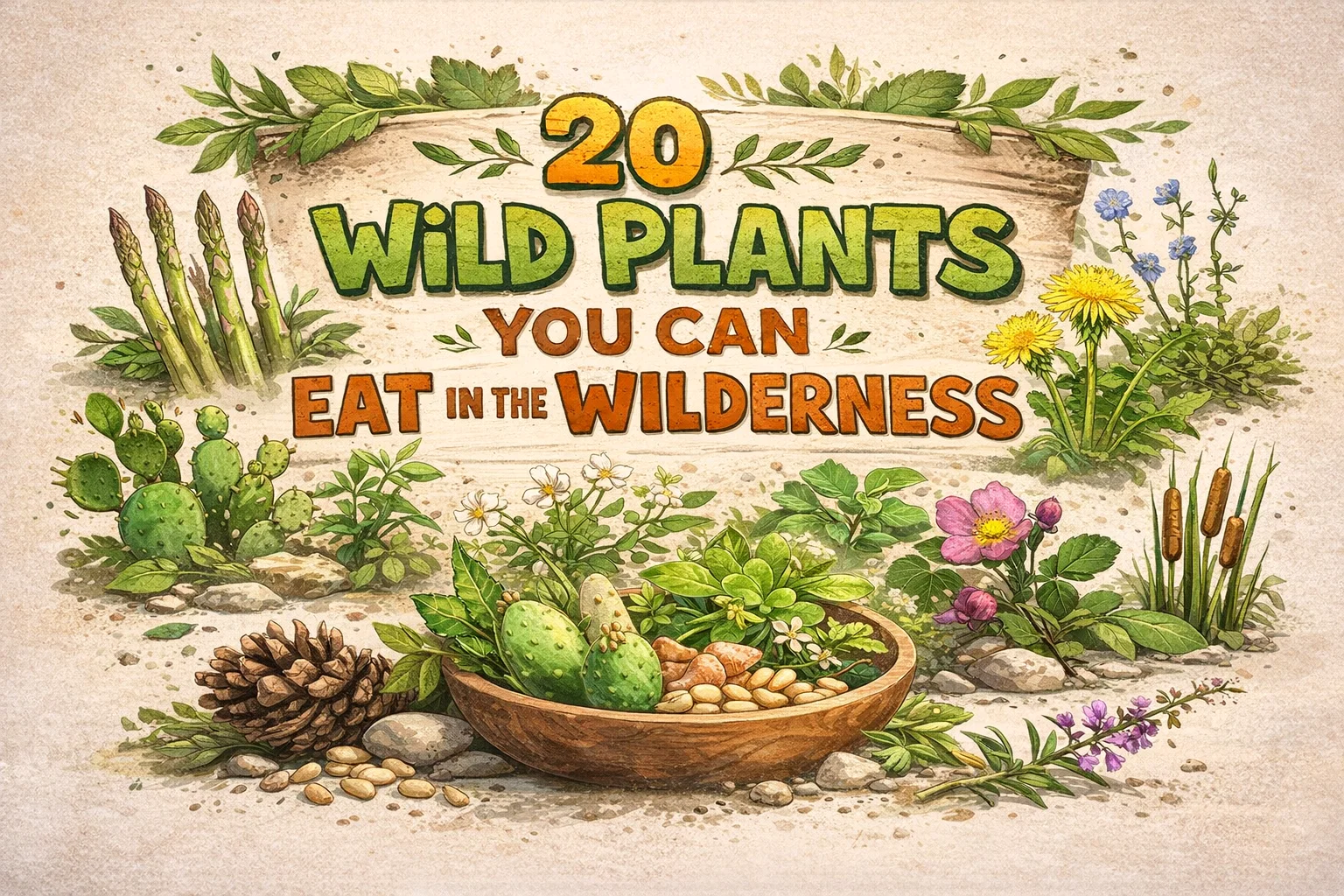
Nature is a vast, open-air supermarket filled with incredibly nutritious and delicious foods, provided you know how to identify them. Foraging for wild edibles is more than just a survival skill; it is a way to reconnect with the earth, improve your physical health through movement, and discover unique flavors that you simply cannot find in a traditional grocery store. The image provided highlights twenty of the most common and useful wild plants that can sustain you in the wilderness or even in your own backyard. From the peppery bite of wild mustard to the earthy sweetness of burdock root, the world around us is teeming with life-sustaining plants. This guide will dive deep into how to identify, harvest, and prepare these wild treasures safely and sustainably.
The Foundations of Safe Foraging
Before you head out with a harvesting basket, it is crucial to understand the golden rule of foraging: never eat anything unless you are one hundred percent certain of its identity. Many edible plants have toxic look-alikes, so using a detailed guide or learning from an expert is essential. Beyond identification, you must also consider the environment. Avoid harvesting near busy roads where plants might absorb heavy metals, or in areas where chemical pesticides and herbicides have been sprayed. Sustainable harvesting is also vital. Never take more than you need, and always leave enough of the plant behind so that it can continue to grow and reproduce for future seasons.
Spring Greens and Early Season Superfoods
Spring is perhaps the most exciting time for foragers as the first shoots of life emerge from the thawing ground. Many of the plants featured in our guide are at their most tender and flavorful during the early months of the year.
Wild Asparagus
Wild asparagus is a prized find for any forager. It is often thinner and more intensely flavored than the varieties found in stores. You will typically find it growing in damp soil with plenty of direct sunlight, often along fence rows or near old farmsteads. Look for the tall, feathery dried stalks from the previous year to help you locate the new spears emerging from the base. These are best eaten raw, lightly steamed, or sautéed with a bit of butter and garlic.
Lambsquarters
Often dismissed as a common garden weed, lambsquarters is actually a nutritional powerhouse. It is exceptionally rich in Vitamin A, Vitamin C, calcium, and iron. The leaves have a slightly dusty or waxy coating on the underside, which is a key identification feature. The flavor is very similar to spinach but more complex. You can use lambsquarters in any recipe that calls for cooked greens, such as quiches, soups, or stir-fries.
Dandelion
The humble dandelion is one of the most versatile plants in the wild. Every single part of this plant is edible, from the root to the flower. The young leaves are excellent in salads, providing a pleasant bitterness that aids digestion. The yellow petals can be used to make dandelion wine or jelly, and the roots can be roasted and ground into a caffeine-free coffee substitute. Dandelions are also a great source of potassium and antioxidants.
Foraging from the Water: Seaweed and Marsh Plants
If you find yourself near a coastline or a freshwater wetland, your food options expand significantly. Water-based plants are often rich in minerals that are harder to find in land plants.
Green Seaweed and Kelp
For those near the ocean, seaweed is a literal life-saver. Green seaweed can be eaten raw after a quick rinse in fresh water to remove the saltiness. Kelp, a form of brown seaweed, is incredibly rich in iodine, folate, and Vitamin K. These sea vegetables can be dried and crumbled into soups as a natural seasoning or boiled until tender. They provide a unique umami flavor that adds depth to any wilderness meal.
Cattail
Often called the supermarket of the swamp, the cattail is a must-know for any survivalist. You can find them at the edges of freshwater wetlands. In the spring, the young shoots can be peeled and eaten like asparagus. In the summer, the yellow pollen can be harvested and used as a flour supplement. Even the roots contain a high amount of starch that can be processed into a nutritious paste. It is a reliable source of carbohydrates in the wild.
Roots, Shoots, and Hardy Staples
When you need more substantial calories, you should look toward roots and sturdier stalks. These plants often provide the energy needed for long treks or physical labor.
Burdock
Burdock is easily recognizable by its massive leaves and purplish, thistle-like flower heads. While the leaves are quite bitter, the long taproot is a culinary delight. It has a crunchy texture and an earthy, sweet flavor. In many cultures, burdock root is used in traditional medicine and cooking to purify the blood and support liver health. It requires a bit of digging to harvest, but the nutritional reward is well worth the effort.
Bamboo Shoots
Bamboo has been a staple food in many parts of the world for centuries. The edible parts are the young, pointed buds that emerge from the ground. While bamboo is incredibly fast-growing and sustainable, you must be careful to boil the shoots before eating them to remove any naturally occurring toxins. Once cooked, they have a wonderful crunch and a mild flavor that absorbs the seasonings of your dish.
Wild Ginger
Wild ginger is a beautiful groundcover with heart-shaped leaves. Unlike the commercial ginger you buy at the store, we primarily use the rootstocks of wild ginger. It provides a spicy, warming kick to teas and meals. Historically, the roots were boiled down in a rich sugary syrup to create wild ginger candy. It is a fantastic way to add flavor and warmth to your wilderness diet.
Flowers, Berries, and Sweet Treats
Foraging is not all about bitter greens and starchy roots. Nature also offers a variety of flowers and fruits that provide quick energy and delightful flavors.
American Elderberry
Elderberries are famous for their immune-boosting properties. The purplish-black fruits grow in large clusters and are perfect for creating jams, jellies, and syrups. However, a word of caution: elderberries should always be cooked before consumption, as the raw berries can cause digestive upset. The white flower clusters are also edible and can be dipped in batter and fried to make delicious fritters.
Wild Rose
Wild roses grow almost everywhere and offer two distinct harvests. The petals can be used to infuse water or honey with a delicate floral scent. After the flowers fade, the plant produces rose hips. These red, berry-like fruits are one of the most concentrated sources of Vitamin C found in nature. They are best used in teas or jellies, especially during the colder months when other vitamin sources are scarce.
Red Clover
Red clover is easily identified by its trefoil leaves and round, pinkish-purple flower heads. The flowers are sweet and can be eaten raw or dried for a soothing herbal tea. Red clover is often used in traditional wellness practices to support skin health and hormonal balance. It is a gentle, nourishing plant that is perfect for beginner foragers.
Unique Finds: Cactus and Pine
Even in seemingly harsh environments like deserts or dense pine forests, food is available if you know what to look for.
Prickly Pear Cactus
The prickly pear is both a fruit and a vegetable. The pads, known as nopales, can be cleaned of their spines and grilled or sautéed. They have a texture similar to green beans. The bright red fruits are sweet and juicy, often used in candies and beverages. Just be sure to handle them with care or use tongs to avoid the tiny, irritating glochids.
Pine Nuts
Many people do not realize that the pine trees in their local forest are a source of high-protein snacks. Pine nuts are found inside the pine cones of specific varieties. While harvesting them can be time-consuming, they are incredibly calorie-dense and rich in healthy fats. They can be eaten straight from the cone or lightly toasted to bring out their nutty aroma.
The Forager’s Kitchen: Preparation Tips
Once you have gathered your wild bounty, the next step is preparation. Here are a few quick tips to make the most of your wild plants:
- Wash Thoroughly: Always rinse your plants in cool water to remove dirt, insects, and any environmental residue.
- Blanching: For bitter greens like chicory or older dandelion leaves, a quick blanch in boiling water can mellow the flavor.
- Drying: Herbs like fireweed and chickweed can be dried and stored in airtight jars for use in winter teas.
- Infusions: Use wild ginger or rose hips to create flavorful infusions that provide both hydration and health benefits.
Embracing the Foraging Lifestyle
Foraging is a journey of continuous learning. Each season brings new plants to discover and new ways to prepare them. By incorporating these twenty wild plants into your repertoire, you are not only gaining valuable survival skills but also enriching your diet with diverse, natural nutrients. Remember to always forage with respect for the land, ensuring that these wonderful resources remain available for generations to come. Whether you are searching for a wild salad in the spring or harvesting elderberries in the late summer, the wilderness is ready to provide. Start small, stay curious, and enjoy the incredible flavors of the great outdoors. Happy foraging!