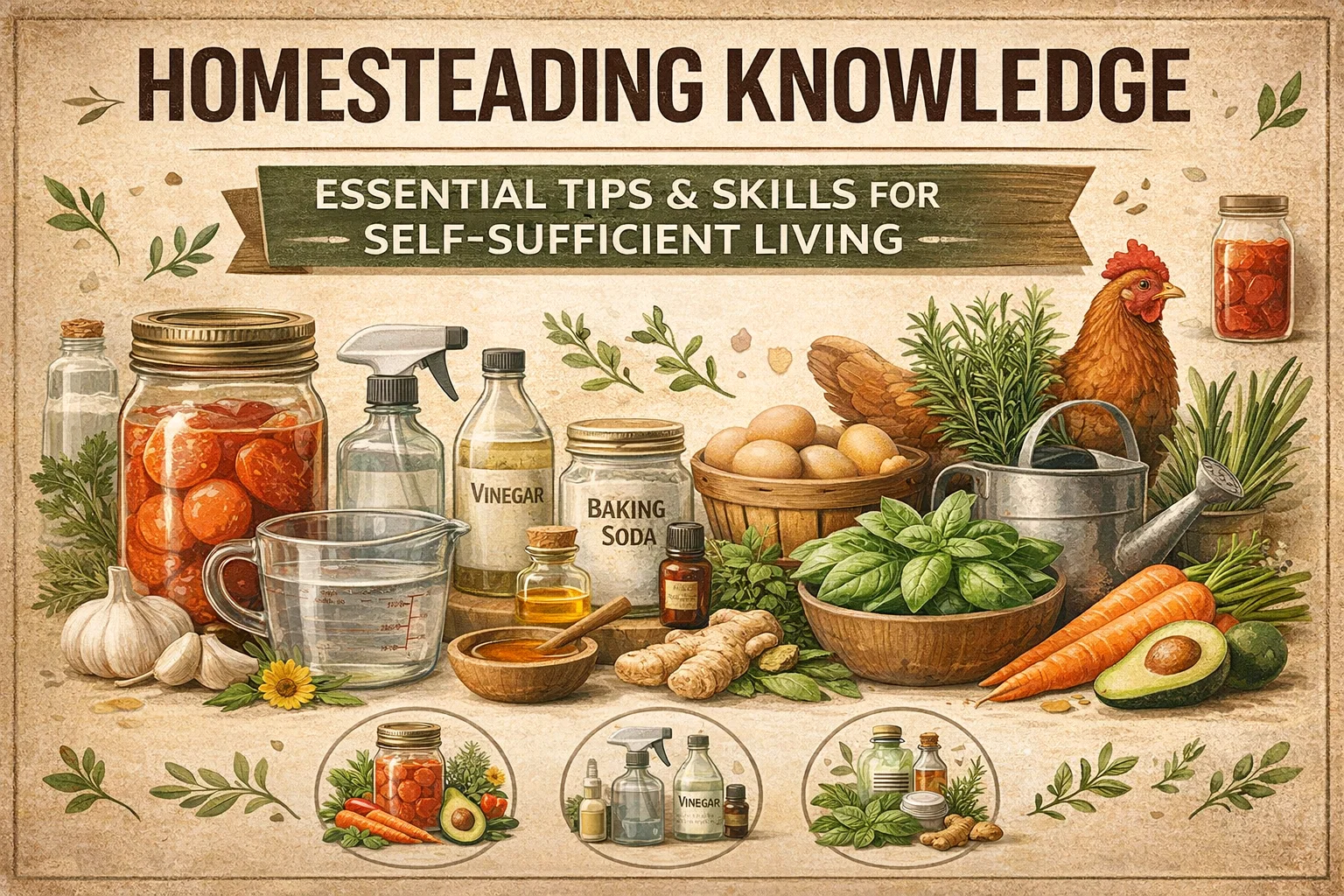
20 Essential Homesteading Skills DIY Herbal Remedies Poster for Self-Sufficient Living
Stepping into the world of homesteading can feel like opening a door to a forgotten way of life where every jar in the pantry and every herb in the garden tells a story of self-reliance. If you have ever looked at a simple sprig of rosemary or a bowl of fresh eggs and felt a deep sense of pride, you are already a homesteader at heart. Transitioning to a more sustainable, hands-on lifestyle is not just about saving money; it is about reclaiming the connection between what we consume and how it is produced. Whether you live on forty acres or have a small windowsill garden in a city apartment, the principles of homesteading are accessible to everyone willing to learn the rhythm of nature and the joy of DIY craftsmanship.
The Art and Science of Home Canning
Canning is often considered the cornerstone of the homestead kitchen. It allows you to capture the peak flavors of the harvest and preserve them for the cold winter months. Many beginners feel intimidated by the process, but once you understand the basic mechanics, it becomes a therapeutic seasonal ritual. There are two primary methods: water bath canning and pressure canning. Water bath canning is perfect for high-acid foods like fruits, jams, jellies, and pickles. Pressure canning is essential for low-acid foods such as vegetables, meats, and soups to ensure they are safe from bacteria.
Essential Tools for Your Preservation Station
To get started, you do not need a professional-grade kitchen, but a few specific tools will make the job much easier and safer. A sturdy water bath canner or a large stockpot with a rack is the first requirement. You will also need glass canning jars, brand new lids to ensure a proper vacuum seal, and reusable rings. A jar lifter is a non-negotiable safety item, as it prevents burns when moving hot jars in and out of boiling water. A wide-mouth funnel and a bubble remover tool are also incredibly helpful for maintaining the proper headspace in your jars, which is the gap between the food and the lid.
Getty Images
A Step by Step Guide to Your First Batch
The process begins with preparation. Always inspect your jars for nicks or cracks, as even a tiny imperfection can cause a jar to break under heat. After washing your jars, keep them warm until they are ready to be filled. Prepare your recipe, whether it is a spicy tomato salsa or a sweet peach jam, and fill the jars while the contents are hot. Wipe the rims meticulously; any residue can prevent the lid from sealing. Once processed in the boiling water for the time specified in your recipe, let the jars sit undisturbed for 24 hours. The satisfying “pop” of a sealing lid is the ultimate reward for a day of hard work in the kitchen.
Growing Your Own Food from Kitchen Scraps
One of the most magical aspects of homesteading is the ability to turn waste into a new harvest. Regrowing vegetables from scraps is an excellent way to stretch your grocery budget and teach children about the wonders of plant biology. Many of the items we usually toss in the compost bin have the potential to start a whole new life in a glass of water or a pot of soil.
Vegetables That Love a Second Chance
- Green Onions and Leeks: These are perhaps the easiest to regrow. Simply place the white root end in a small jar of water, and within days, you will see new green shoots appearing.
- Lettuce and Celery: Cut off the base of the plant and place it in a shallow bowl of water. In about a week, new leaves will begin to sprout from the center. Once the roots are established, you can move them into a pot of soil.
- Ginger and Garlic: If you notice a clove of garlic or a piece of ginger root starting to sprout in your pantry, do not throw it away! Plant it in soil with the sprout facing up, and you will eventually have a fresh harvest of your own.
- Carrot Tops: While you cannot regrow the actual orange root, planting the tops in water will yield beautiful, lacy greens that are delicious in pesto or as a garnish.
The Natural Home: DIY Cleaning Products
Moving toward a homesteading lifestyle often involves removing harsh chemicals from your living environment. Making your own cleaning products is surprisingly simple, incredibly cheap, and much better for your respiratory health. Most household messes can be handled with a few basic ingredients that you likely already have in your pantry.
The Powerhouse Ingredients
White vinegar is the king of natural cleaners. Its acidity makes it perfect for cutting through grease and removing mineral deposits. Baking soda acts as a gentle abrasive for scrubbing sinks and tubs without scratching the surface. For a pleasant scent and added antibacterial properties, essential oils like lemon, tea tree, and peppermint are excellent additions. Lemon oil is fantastic for wood surfaces, while tea tree oil is a powerful antifungal agent perfect for bathroom cleaning.
Simple Recipes for a Sparkling Home
For an all-purpose surface spray, mix equal parts water and white vinegar in a glass spray bottle, then add twenty drops of your favorite citrus essential oil. If you are dealing with a greasy pot or a burnt pan, a paste made of baking soda and a little bit of water can work wonders. Simply apply the paste, let it sit for thirty minutes, and scrub away the grime. For glass and mirrors, a mixture of water and a splash of vinegar will leave a streak-free shine that rivals any store-bought blue liquid.
Building a Herbal First Aid Kit
Long before modern pharmacies existed, the garden was the primary source of medicine. Incorporating herbalism into your homesteading knowledge allows you to treat minor ailments with plants you have grown yourself. An herbal first aid kit is a collection of dried herbs, salves, and tinctures that can provide relief for everything from bee stings to upset stomachs.
Must-Have Herbs for Your Apothecary
Calendula is a powerhouse for skin health. Its bright orange petals are often infused into oils to create salves that heal cuts, scrapes, and minor burns. Chamomile is famous for its calming properties and is a go-to remedy for insomnia or anxiety. Peppermint is another essential, known for its ability to soothe digestive issues and clear up nasal congestion during cold season. Lemon balm, a member of the mint family, is wonderful for promoting relaxation and can even help with cold sores when used topically.
Traditional Uses and Benefits
- Lavender: Known for its soothing scent, lavender is excellent for promoting sleep and can be applied topically to calm insect bites.
- Stinging Nettles: While they might be prickly in the wild, dried nettles are incredibly nutrient-dense and act as a natural antihistamine for seasonal allergies.
- Ginger: A thick slice of ginger root steeped in hot water is one of the most effective remedies for nausea and motion sickness.
- Marshmallow Root: This herb contains mucilage that provides a soothing coating for sore throats and irritated digestive tracts.
Raising Backyard Chickens: The Ultimate Goal
Nothing says “homestead” quite like the sound of chickens clucking in the backyard. Raising poultry is a rewarding experience that provides your family with high-quality protein and provides your garden with some of the best fertilizer available. Before you bring home those adorable fluffy chicks, it is important to understand what they need to thrive.
Requirements for a Happy Flock
Chickens need a secure coop to protect them from predators like raccoons and foxes. Inside the coop, they need nesting boxes where they can feel safe laying their eggs and roosting bars where they can sleep off the ground. Each bird generally needs about three to four square feet of space inside the coop and ten square feet in an outdoor run. Fresh water and a balanced feed are essential, but you can also supplement their diet with kitchen scraps and garden weeds. In return, a healthy hen will provide you with about five to six eggs per week during the peak laying season.
Natural Pest Control: Indoor Anti-Mosquito Plants
Maintaining a comfortable home environment often means keeping pesky insects at bay. Instead of reaching for chemical sprays, you can use nature’s own defense systems. Certain plants have evolved strong scents that act as natural repellents for mosquitoes and other flying pests. By placing these plants near your entryways or on your patio, you can create a fragrant barrier that keeps your home bug-free.
Fragrant Defenders for Your Home
Citronella is the most famous mosquito repellent, but many other herbs are just as effective. Rosemary and basil are not only delicious in the kitchen but also contain oils that mosquitoes find offensive. Lemongrass and lemon thyme offer a bright, citrusy scent that humans love but bugs hate. If you want something a bit more decorative, marigolds are hardy flowers that contain pyrethrum, an ingredient found in many organic insecticides. Catnip is another surprising addition; some studies suggest it is even more effective at repelling mosquitoes than certain synthetic chemicals.
Embracing the Homesteading Journey
The path to homesteading is not a sprint; it is a gradual shift in perspective. It starts with the decision to make one thing from scratch instead of buying it, or to plant one seed instead of leaving a pot empty. As you gain confidence in these skills, you will find that you are not just producing food or cleaners; you are producing a sense of security and a deeper appreciation for the world around you. Every small step toward self-sufficiency is a victory for your health, your wallet, and the planet. Take the time to enjoy the process, learn from the occasional failure, and celebrate the immense satisfaction that comes from saying, “I made this myself.”
Would you like me to create an SEO-optimized meta description for this post to help it rank on Google?