20 Signs of Mom Burnout You Should Not Ignore Parental Mental Health Self Care Tips
Motherhood is often portrayed as a series of perfectly curated moments, but the reality is frequently much more complex. While the love for your children is boundless, the physical and emotional toll of constant caregiving can lead to a state of total depletion. This phenomenon, known as mom burnout, is more than just a bad day or a need for a nap. It is a deep, systemic exhaustion that affects your mind, body, and spirit. If you have been feeling like a shell of your former self, it is time to stop normalizing the struggle and start looking at the signs that your body and mind are crying out for help.
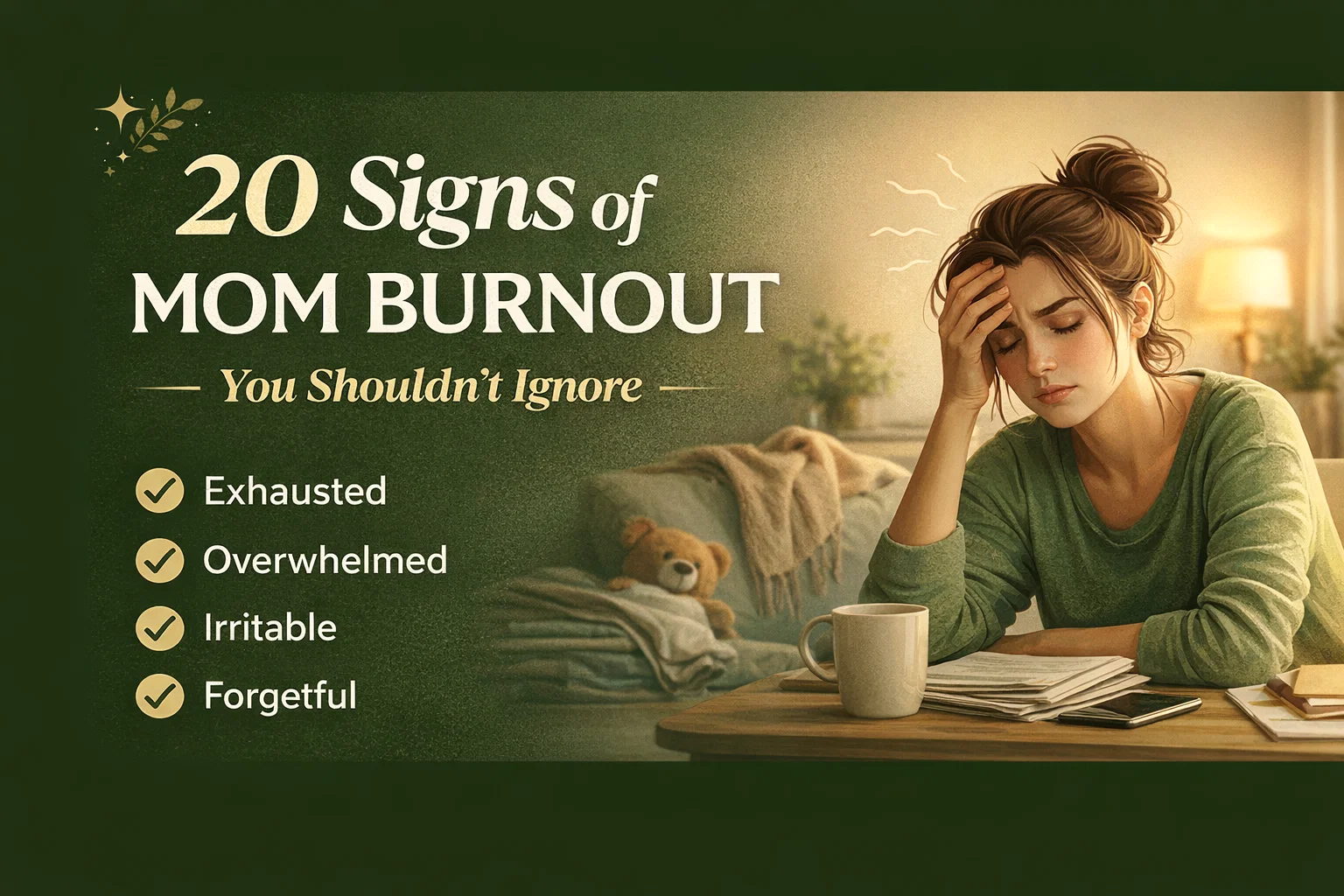
The image we are looking at today highlights twenty critical indicators that you might be reaching a breaking point. These are not just quirks of being a parent; they are red flags that demand your attention. In this guide, we will dive deep into what these signs actually look like in daily life, why they happen, and how you can begin the journey back to feeling like yourself again. Understanding these symptoms is the first step in moving from a state of survival into a state of thriving.
The Reality of Physical Exhaustion
One of the most common signs of burnout is feeling tired even after you have had a chance to rest. This is a specific type of fatigue that sleep alone cannot fix. When you are in the middle of mom burnout, your nervous system is stuck in a state of high alert. Even if you manage to get eight hours of sleep, you wake up feeling as though you haven’t slept at all. This happens because your body is no longer transitioning into the deep, restorative stages of sleep required for true recovery.
Frequent Headaches and Physical Tension
Burnout does not just stay in your mind; it manifests in your physical body. Many mothers report frequent tension headaches or a constant tightness in their shoulders and neck. This is the result of your body holding onto stress. When you are constantly rushed and feeling behind, your muscles stay contracted in a fight or flight response. Over time, this leads to chronic pain that can make the daily tasks of parenting feel almost impossible to manage.
Trouble Sleeping or Relaxing
It is a cruel irony that when you are most exhausted, you often have the hardest time falling asleep. This is often referred to as tired but wired. You might lie in bed with your mind racing through your to do list, or you might find it impossible to simply sit on the couch without feeling like you should be doing something productive. This inability to shut down is a primary indicator that your stress hormones, like cortisol, are out of balance.
The Emotional Weight of Burnout
Emotional numbness is a terrifying symptom for many moms. You might find that you are no longer finding joy in the small moments that used to make you smile. If you feel like you are just going through the motions or performing the role of a mother without actually feeling connected to the experience, you are likely experiencing emotional exhaustion. This numbness is a defense mechanism your brain uses to protect you from further overwhelm.
Losing Patience and Irritation
Do you find yourself snapping at your children or partner over things that wouldn’t have bothered you a few months ago? Losing your patience very quickly is a sign that your emotional bandwidth is completely used up. When your cup is empty, you have no room for the normal chaos and noise that comes with raising a family. This often leads to a cycle of irritation followed by intense guilt, which only adds to the burnout loop.
Crying Easily or Feeling Empty
Sometimes the numbness gives way to intense episodes of crying or a profound sense of emptiness. You might find yourself weeping in the shower or feeling a sense of grief for the person you used to be. This emotional volatility is your psyche trying to process the heavy load you are carrying. It is important to recognize that these feelings are not a reflection of your quality as a mother, but rather a reflection of the unsustainable pressure you are under.
Cognitive Fog and the Mental Load
Forgetting things more often is frequently joked about as mom brain, but in the context of burnout, it is actually a cognitive symptom of chronic stress. When your brain is constantly overwhelmed by the mental load of managing a household, your working memory begins to suffer. You might miss appointments, lose your keys, or struggle to find the right words in a conversation. This mental fog is a sign that your brain needs a break from the constant stream of information and decision making.
Always Thinking About Tasks
The mental load is the invisible work of motherhood. It is the constant scanning of the fridge to see what needs to be bought, remembering when the kids need new shoes, and planning the logistics of the week. When you are burnt out, you can never truly turn this off. You are always thinking about tasks even when you are supposed to be relaxing. This prevents your brain from ever entering a state of rest, which is essential for cognitive health.
Constant Self Criticism
Burnout often invites a loud, critical inner voice. You might find yourself thinking that you are failing or that every other mom has it figured out except for you. This constant self criticism creates a toxic internal environment. Instead of being your own best friend, you become your harshest critic, which drains even more of your limited energy. Breaking this cycle requires acknowledging that the standards you are trying to meet might be completely unrealistic.
Social and Behavioral Red Flags
When you are feeling unseen or unsupported, it is natural to want to pull away. However, avoiding social interaction often makes burnout worse by increasing your sense of isolation. You might stop answering texts or decline invitations because the thought of getting ready and engaging in conversation feels like a mountain you cannot climb. While some solitude is restorative, chronic social withdrawal is a sign that you are struggling to cope with the demands of life.
Ignoring Your Own Needs
Many mothers fall into the trap of putting everyone else first until there is nothing left for themselves. You might skip meals, ignore your own hygiene, or push through illness to keep the house running. Normalizing extreme exhaustion is a dangerous path. Your needs are not secondary to your family; they are the foundation upon which your family sits. If the foundation is crumbling, the rest of the structure will eventually follow.
Feeling Trapped in Routines
Does your life feel like a never ending loop of laundry, dishes, and bedtime battles? Feeling trapped in your routines can lead to a sense of resentment and hopelessness. When the joy of parenting is replaced by a sense of being an automated machine, it is a clear signal that you need to inject some variety and self care back into your world. Life should be more than just a checklist of chores.
How to Start the Recovery Process
Recognizing these twenty signs is a brave first step. The next step is taking action, even if it feels small. Recovery from mom burnout does not happen overnight, and it usually requires a combination of lifestyle changes and a shift in mindset. You must give yourself permission to heal and understand that your well being is a priority for the entire family.
Reevaluating the Mental Load
You cannot do it all, and you shouldn’t have to. Start by making a list of all the invisible tasks you do and see what can be delegated, deleted, or automated. Can your partner take over the meal planning? Can you use a grocery delivery service to save time? Reducing the sheer number of decisions you have to make each day can provide immediate relief to your tired brain.
Integrating Holistic Health Practices
Since burnout affects the body, physical interventions are crucial. This might include prioritizing nutrition that supports your adrenal glands, such as increasing your intake of magnesium and healthy fats. Gentle movement, like walking in nature or stretching, can help release the physical tension held in your muscles. Additionally, exploring natural remedies like herbal teas or aromatherapy can help signal to your nervous system that it is safe to relax.
Setting Healthy Boundaries
Learning to say no is a superpower. Whether it is saying no to an extra volunteer commitment at school or saying no to a social event you don’t have the energy for, boundaries protect your peace. It also means setting boundaries within your home. It is okay to tell your children that mommy needs ten minutes of quiet time. Teaching your family that you have needs is a valuable lesson for them and a life saving one for you.
The Importance of Seeking Support
If you find that you are checking off most of the signs on the list, it may be time to seek professional support. This could be a therapist who specializes in maternal mental health, a life coach, or a medical professional who can check for underlying nutritional deficiencies. There is no shame in needing help. We were never meant to raise children in complete isolation, and sometimes the best thing you can do for your kids is to get the support you need to be a healthy parent.
Building a Village
The phrase it takes a village is often used but rarely practiced in our modern world. Reach out to friends or family members and be honest about how you are feeling. You might be surprised to find that other moms in your circle are feeling the exact same way. Creating a space for honest conversation can break the cycle of shame and provide a network of support that makes the daily grind feel much more manageable.
Practicing Radical Self Compassion
Finally, be kind to yourself. You are doing one of the hardest jobs in the world under immense societal pressure. When you notice that self critical voice, try to replace it with the words you would say to a dear friend in your position. You are allowed to be tired. You are allowed to take up space. You are allowed to have needs that have nothing to do with your children. Embracing this radical self compassion is the heart of burnout recovery.
Conclusion: You Deserve to Feel Whole
Mom burnout is a real and valid experience that millions of women face every day. By identifying these twenty signs and taking them seriously, you are choosing to prioritize your health and your future. Remember that resting is not a reward for finishing your work; it is a requirement for being able to do your work well. Your children don’t need a perfect mother who is burnt out and empty; they need a mother who is healthy, present, and whole.
Take a look at the list again and pick one area to focus on this week. Whether it is asking for help with a chore or finally scheduling that doctor’s appointment, every small step counts. You are more than a mother; you are a human being with a soul that needs nourishment. It is time to stop ignoring the signs and start reclaiming the vibrant, joyful life you deserve. Your journey toward wellness begins with the simple realization that you matter too.